 Skip to content
Many older adults struggle to enjoy healthy plant-based foods due to dental or jaw issues, but eating well doesn’t have to be difficult. With the right cooking methods, simple ingredients can become soft, easy-to-digest, and delicious meals.
Our collection of soft vegetarian recipes for seniors proves that nutrition and flavor can go hand in hand. Each dish is rich in calcium for bone health, fiber for digestion, and antioxidants for immunity — making every bite gentle, wholesome, and satisfying.
Understanding Chewing Difficulties in Seniors
Millions of older adults in the United States face chewing problems, making it hard to eat right. These issues can turn mealtime into a frustrating and embarrassing moment. Knowing the reasons behind these problems helps families and caregivers find better ways to feed their loved ones.
As people get older, their ability to chew food can get worse. This is because of changes in their oral health. Seniors often deal with more than one problem at a time, making it harder to eat. Understanding these challenges is the first step to finding solutions.
Common Causes of Chewing Problems
Many medical and physical conditions lead to chewing troubles in older adults. Tooth loss is a big issue, affecting nearly 25% of seniors over 65. Without teeth, it’s hard to chew tough foods.
Poorly fitting dentures also cause problems. Dentures that don’t fit right can be painful and make chewing hard. This often leads to avoiding foods that are hard to chew.
Other big causes include:
- Gum disease and periodontal problems
- Dry mouth from medications
- Stroke-related swallowing difficulties
- Neurological conditions like Parkinson’s disease
- Muscle weakness from aging
Medications often given to seniors can dry out their mouths. Without enough saliva, food is harder to chew and swallow. This makes eating uncomfortable.
Impact on Nutrition and Health
Chewing difficulties can cause seniors to miss out on vital nutrients from fruits, vegetables, and whole grains, often leading to weight loss and poor health. Many turn to processed foods that lack nutrition, affecting both body and mood. Mealtime can also become isolating or embarrassing. That’s why creating easy-to-chew vegetarian meals is so important — they restore comfort, nutrition, and joy to eating.
Benefits of Soft Vegetarian Foods for Seniors
Choosing soft vegetarian meals for seniors supports both health and comfort. These dishes make eating easier while providing essential nutrients and natural flavors that processed foods can’t match — improving overall wellness and quality of life.
Soft Vegetarian Meals for Seniors
Soft vegetarian dishes support both health and comfort, making meals easier to chew while providing essential nutrients and natural flavors. Unlike processed foods, these recipes nourish the body and improve overall well-being.
Nutritional Value of Soft Foods
Rich in vitamins, minerals, and antioxidants, soft vegetarian meals promote healthy aging. Leafy greens boost memory, sweet potatoes support blood pressure, and soft fruits aid digestion. Antioxidants help fight disease, prevent constipation, and keep seniors energized.
Easy to Digest Ingredients
Soft vegetarian foods are gentle on the stomach, rich in water, and low in fat and cholesterol — ideal for hydration and heart health. Cooked vegetables and legumes maximize nutrition without strain, while flavor variety keeps meals enjoyable and nourishing.
Soft Vegetarian Soup Recipes for Seniors
Soups are great for seniors because they’re easy to eat and full of nutrients. These vegetarian soft meal ideas for seniors are smooth and gentle on the mouth. They also help keep seniors hydrated and can make them feel hungry.
Vegetarian soups are full of nutrients and can be made in big batches. This makes them easy to store and use all week. You can add lots of veggies to each bowl, making them a healthy choice.
1. Creamy Tomato Basil Soup
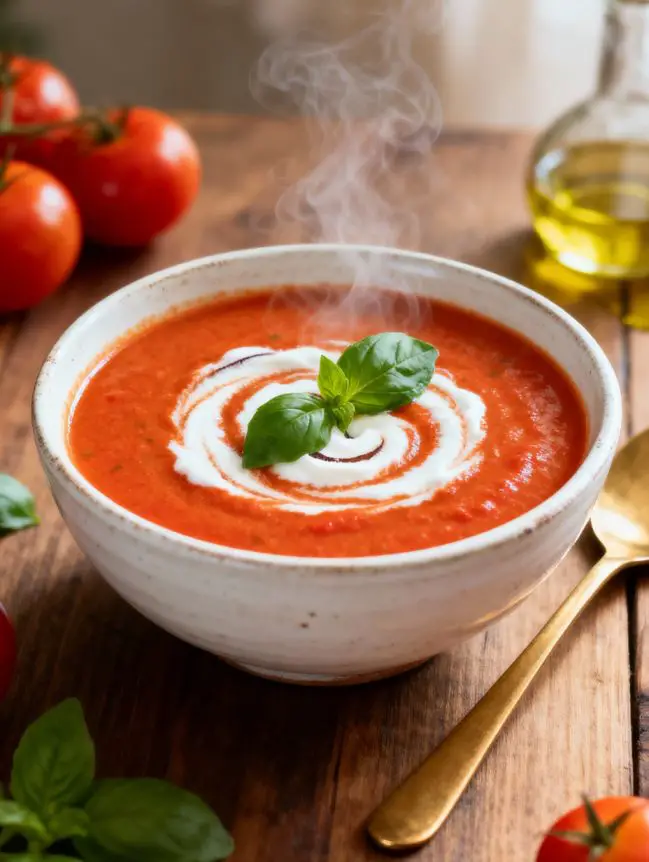
A smooth, flavorful blend of roasted tomatoes, fresh basil, and creamy coconut milk — this Creamy Tomato Basil Soup is perfect for seniors with chewing difficulties. It’s rich in antioxidants, gentle on the stomach, and full of comforting flavor. Easy to prepare, nourishing, and satisfying — a warm bowl that supports both health and taste in every spoonful.
🕒 Prep Time: 10 minutes
🔥 Cook Time: 30 minutes
🍽️ Servings: 4
🌱 Diet Type: Vegetarian, Soft Food Friendly
🧾 Ingredients
- 2 pounds ripe tomatoes, halved
- 1 tablespoon olive oil
- 1 small onion, chopped
- 2 cloves garlic, minced
- 1 cup vegetable broth (low sodium)
- ½ cup coconut milk or unsweetened cashew cream
- 1 tablespoon fresh basil leaves, chopped (plus more for garnish)
- ½ teaspoon sea salt (adjust to taste)
- ¼ teaspoon black pepper
- Optional: pinch of sugar or balsamic vinegar to balance acidity
👩🍳 Instructions
- Roast the Tomatoes
- Preheat the oven to 400°F (200°C).
- Place tomato halves on a baking sheet, drizzle with olive oil, and roast for 20 minutes until slightly caramelized.
- This brings out a sweet, rich flavor while keeping it easy to digest.
- Sauté Aromatics
- In a large pot, heat 1 teaspoon of olive oil.
- Add chopped onion and sauté for 3–4 minutes until soft and translucent.
- Add minced garlic and cook for 30 seconds (avoid browning).
- Blend Smooth
- Add the roasted tomatoes, vegetable broth, and fresh basil to the pot.
- Simmer for 10 minutes, then remove from heat.
- Use an immersion blender (or regular blender) to puree until completely smooth.
- Strain through a fine-mesh sieve for a silky texture—perfect for seniors with chewing issues.
- Add Creaminess
- Return the soup to the pot. Stir in coconut milk or cashew cream.
- Season with salt, pepper, and a pinch of sugar or vinegar (optional).
- Simmer on low heat for 5 minutes, stirring gently.
- Serve Warm
- Pour into bowls and garnish with a swirl of coconut milk and a few basil leaves.
- Serve with soft bread, pureed vegetable mash, or soft cheese crackers for a complete meal.
🩺 Nutritional Highlights (Per Serving)
- Calories: ~160 kcal
- Protein: 3g
- Fiber: 4g
- Vitamin C: 70% DV
- Lycopene: Boosts heart & skin health
- Coconut milk: Adds healthy fats for energy and absorption
💡 Tips for Seniors
- Use peeled tomatoes if the skin irritates digestion.
- Blend longer for a super-smooth texture if dentures or swallowing are an issue.
- Add plant protein powder or silken tofu for an extra protein boost.
- Store leftovers in the fridge for up to 3 days, or freeze in portions for 2 months.
2. Pumpkin and Ginger Soup
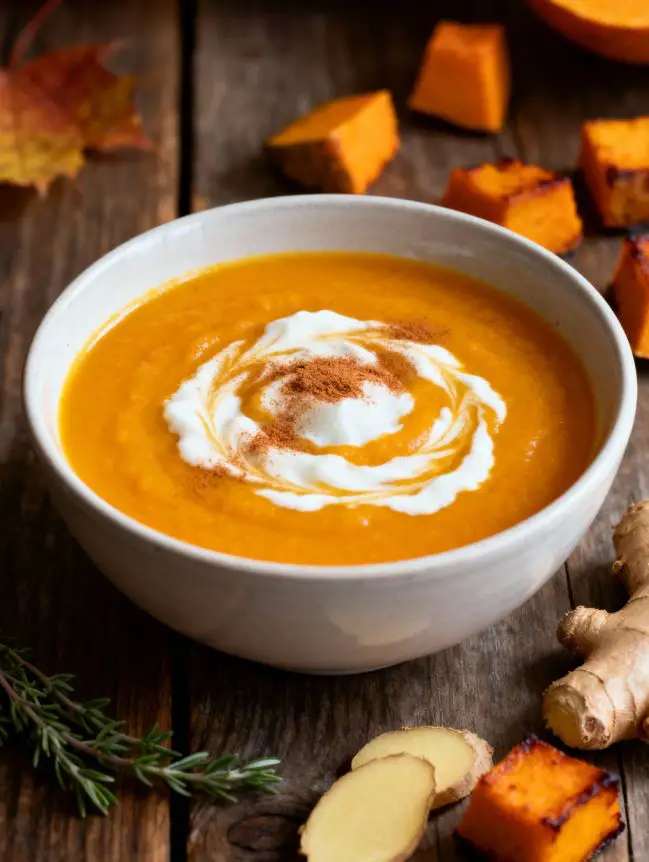
Warm, creamy, and gently spiced, this Pumpkin and Ginger Soup is the perfect comfort food for seniors. Made with smooth pumpkin puree, fresh ginger, and a touch of coconut cream, it’s rich in vitamin A, easy to digest, and soothing for sensitive mouths. A nourishing bowl that supports immunity, digestion, and cozy mealtime comfort.
🕒 Prep Time: 10 minutes
🔥 Cook Time: 25 minutes
🍽️ Servings: 4
🌱 Diet Type: Vegetarian, Soft Food Friendly, Gluten-Free
🧾 Ingredients
- 3 cups pumpkin puree (or 2½ cups roasted pumpkin cubes)
- 1 tablespoon olive oil or unsalted butter
- 1 small onion, finely chopped
- 1 tablespoon fresh ginger, grated
- 2 cups vegetable broth (low sodium)
- ½ cup coconut cream or cashew milk
- ¼ teaspoon cinnamon
- ⅛ teaspoon nutmeg
- Salt and pepper, to taste
- Optional: 1 teaspoon maple syrup or honey (for mild sweetness)
👩🍳 Instructions
- Sauté the Base
- In a large pot, heat olive oil over medium heat.
- Add onion and cook until soft and translucent (about 3–4 minutes).
- Stir in grated ginger and cook for another 30 seconds to release the aroma.
- Add Pumpkin and Broth
- Stir in the pumpkin puree and vegetable broth.
- Mix well, then bring to a gentle simmer for 10–12 minutes.
- This allows flavors to blend and the soup to thicken naturally.
- Blend Until Smooth
- Remove from heat and use an immersion blender to puree the soup until creamy.
- For an ultra-smooth texture (ideal for seniors), strain through a fine-mesh sieve.
- Add Creaminess & Flavor
- Return to low heat and stir in coconut cream, cinnamon, and nutmeg.
- Season with salt, pepper, and a touch of maple syrup if desired.
- Simmer for 2–3 minutes, stirring gently.
- Serve Warm
- Ladle into bowls and garnish with a swirl of coconut cream or soft herbs like dill or parsley.
- Serve with soft whole-grain bread or pureed lentil mash for a complete meal.
🩺 Nutritional Highlights (Per Serving)
- Calories: ~180 kcal
- Vitamin A: Over 200% DV (supports eye and immune health)
- Fiber: 5g (aids digestion)
- Healthy Fats: from coconut cream
- Ginger: helps with digestion and inflammation
💡 Tips for Seniors
- Use roasted pumpkin for a deeper, sweeter flavor.
- Adjust the thickness by adding more broth if needed.
- Make it high-protein by blending in silken tofu or lentils.
- Store leftovers in the fridge for 3 days or freeze for 2 months.
3. Vegetable Chowder
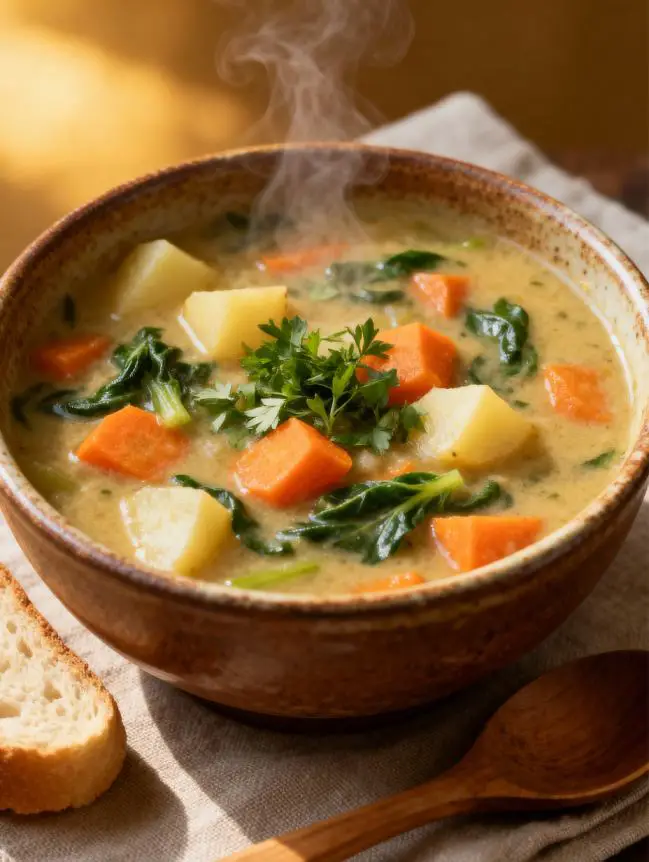
A creamy, hearty blend of tender vegetables, beans, and herbs — this Vegetable Chowder is gentle on the mouth yet full of flavor. Packed with fiber, vitamins, and plant-based protein, it’s the perfect warm, comforting meal for seniors with chewing difficulties.
🕒 Prep Time: 15 minutes
🔥 Cook Time: 30 minutes
🍽️ Servings: 4
🌱 Diet Type: Vegetarian, Soft Food Friendly, High Fiber
🧾 Ingredients
- 1 tablespoon olive oil or unsalted butter
- 1 small onion, finely chopped
- 2 cloves garlic, minced
- 1 medium carrot, diced
- 1 medium potato, peeled and cubed
- ½ cup parsnips or zucchini, diced
- ½ cup white beans (or silken tofu for softer texture)
- 2 cups vegetable broth (low sodium)
- ½ cup cashew cream or low-fat milk (optional for creaminess)
- ½ teaspoon thyme
- ¼ teaspoon rosemary
- Salt and pepper, to taste
- Optional: finely chopped spinach or peas for color
👩🍳 Instructions
- Sauté Aromatics
- Heat olive oil in a pot over medium heat.
- Add onion and garlic, sauté until fragrant and soft (about 3 minutes).
- Add Vegetables & Broth
- Stir in carrots, potatoes, and parsnips (or zucchini).
- Pour in vegetable broth and bring to a gentle simmer.
- Cook for 15–18 minutes, until vegetables are tender enough to mash easily.
- Blend for Soft Texture
- Remove half of the mixture and blend it smooth using an immersion or countertop blender.
- Return the blended portion to the pot to create a thick, creamy consistency.
- Add Creaminess & Seasoning
- Stir in white beans (or silken tofu), cashew cream, thyme, and rosemary.
- Cook for another 5–7 minutes on low heat.
- Season with salt and pepper to taste.
- Serve Warm
- Garnish with a drizzle of olive oil or soft herbs.
- Serve with soft bread or pureed lentil mash for a wholesome, easy-to-eat meal.
🩺 Nutritional Highlights (Per Serving)
- Calories: ~200 kcal
- Protein: 6g
- Fiber: 7g
- Vitamin C: 40% DV
- Iron & Folate: support blood health
- Cashew cream & beans: add healthy fats and plant protein
💡 Tips for Seniors
- Cook vegetables longer for extra softness.
- For ultra-smooth texture, blend the entire soup instead of half.
- Add soft grains like quinoa or oats for extra calories if needed.
- Refrigerate for up to 3 days or freeze in small portions for later use.
4. Creamy Spinach and Lentil Soup
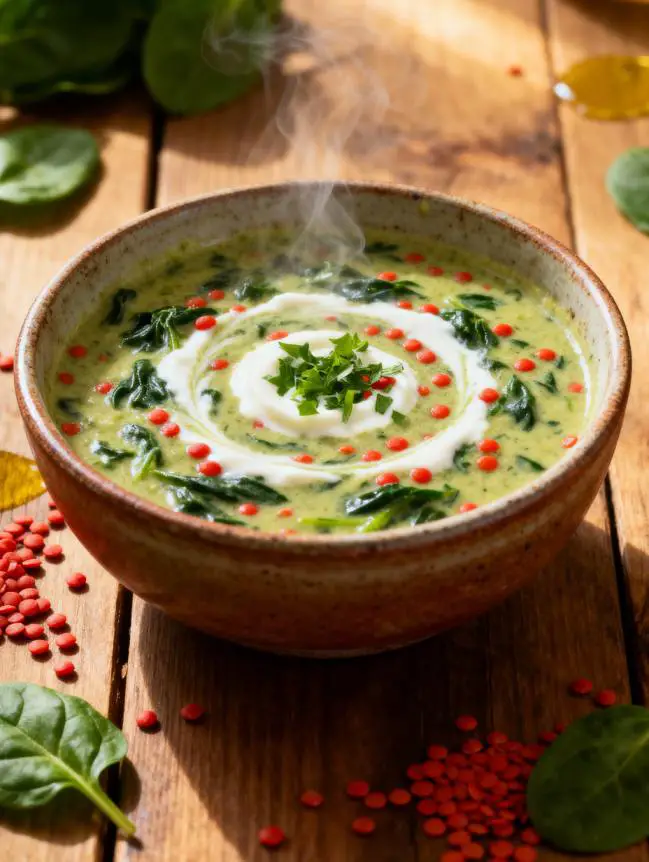
A gentle, protein-rich soup combining red lentils and fresh spinach.
Cook red lentils until soft, blend with lightly sautéed spinach, garlic, and onion, and finish with a splash of coconut milk or cashew cream.
This vibrant green soup is rich in iron, folate, and plant protein, supporting muscle and blood health — perfect for seniors needing extra strength.
🕒 Prep Time: 10 minutes
🔥 Cook Time: 25 minutes
🍽️ Servings: 4
🌱 Diet Type: Vegetarian, Soft Food Friendly, High Protein
🧾 Ingredients
- 1 tablespoon olive oil or unsalted butter
- 1 small onion, finely chopped
- 2 cloves garlic, minced
- ½ cup red lentils, rinsed
- 2 cups vegetable broth (low sodium)
- 3 cups fresh spinach leaves, washed
- ½ cup coconut milk or cashew cream
- ½ teaspoon cumin powder
- ¼ teaspoon turmeric powder
- Salt and pepper, to taste
- Optional: squeeze of lemon juice before serving
👩🍳 Instructions
- Sauté Aromatics
- In a pot, heat olive oil on medium heat.
- Add onion and cook until translucent (about 3–4 minutes).
- Stir in garlic, cumin, and turmeric for 30 seconds until fragrant.
- Cook Lentils
- Add red lentils and vegetable broth.
- Bring to a gentle simmer and cook for 15 minutes, until lentils become soft and mushy.
- Add Spinach
- Stir in spinach leaves and cook for 2–3 minutes, just until wilted.
- Remove from heat and let it cool slightly.
- Blend Smooth
- Use an immersion blender (or transfer to a blender) to puree the soup until creamy.
- For seniors with chewing or swallowing issues, strain through a fine-mesh sieve for extra smoothness.
- Add Creaminess & Seasoning
- Return to low heat, stir in coconut milk or cashew cream.
- Season with salt, pepper, and a light squeeze of lemon juice.
- Warm gently before serving.
🩺 Nutritional Highlights (Per Serving)
- Calories: ~190 kcal
- Protein: 9g
- Fiber: 6g
- Iron & Folate: support red blood cell health
- Vitamin K & C: support bone and immune function
💡 Tips for Seniors
- Add a spoonful of Greek yogurt for more protein.
- Serve with soft whole-grain toast or pureed quinoa mash for a fuller meal.
- Freeze extra portions for easy reheating later — texture stays creamy after thawing.
5. Carrot and Sweet Potato Soup

Naturally sweet and velvety, this soup is a favorite for seniors with reduced appetite.
Roast or steam carrots and sweet potatoes, then blend with ginger, vegetable broth, and a touch of nutmeg.
It’s full of beta-carotene for eye health and easy on the digestive system.
Add a dollop of Greek yogurt for creaminess and protein.
🕒 Prep Time: 10 minutes
🔥 Cook Time: 25 minutes
🍽️ Servings: 4
🌱 Diet Type: Vegetarian, Soft Food Friendly, High in Beta-Carotene
🧾 Ingredients
- 1 tablespoon olive oil or unsalted butter
- 1 small onion, finely chopped
- 2 cloves garlic, minced
- 3 medium carrots, peeled and sliced
- 1 large sweet potato, peeled and diced
- 2½ cups vegetable broth (low sodium)
- ½ teaspoon fresh grated ginger
- ¼ teaspoon nutmeg
- ½ cup coconut milk or cashew cream
- Salt and pepper, to taste
- Optional: 1 teaspoon honey or maple syrup (enhances natural sweetness)
👩🍳 Instructions
- Sauté the Base
- In a large saucepan, heat olive oil on medium.
- Add onion and garlic, and cook until soft and aromatic (about 3–4 minutes).
- Add ginger and cook for another 30 seconds to release flavor.
- Add Vegetables and Broth
- Add carrots, sweet potatoes, and vegetable broth.
- Bring to a boil, then reduce to a gentle simmer.
- Cover and cook for 20 minutes, or until vegetables are very soft.
- Blend Until Smooth
- Remove from heat and let cool slightly.
- Puree with an immersion blender or transfer to a stand blender until completely smooth.
- For seniors with chewing or swallowing difficulties, strain through a fine-mesh sieve for an ultra-smooth texture.
- Add Creaminess & Seasoning
- Return the soup to low heat.
- Stir in coconut milk, nutmeg, salt, and pepper.
- Add a drizzle of honey or maple syrup if desired.
- Warm gently for 2–3 minutes before serving.
🩺 Nutritional Highlights (Per Serving)
- Calories: ~180 kcal
- Vitamin A: 300% DV (supports eye & immune health)
- Fiber: 5g (aids digestion)
- Healthy fats: from coconut milk for energy
- Beta-carotene: boosts skin and vision health
💡 Tips for Seniors
- Add a small scoop of cooked red lentils for extra protein.
- Use roasted carrots and sweet potatoes for a deeper, naturally sweet flavor.
- Keep the soup slightly warm (not hot) — it’s easier on sensitive mouths.
- Refrigerate for up to 3 days or freeze for 2 months in portion-sized containers.
6. Pea and Mint Soup
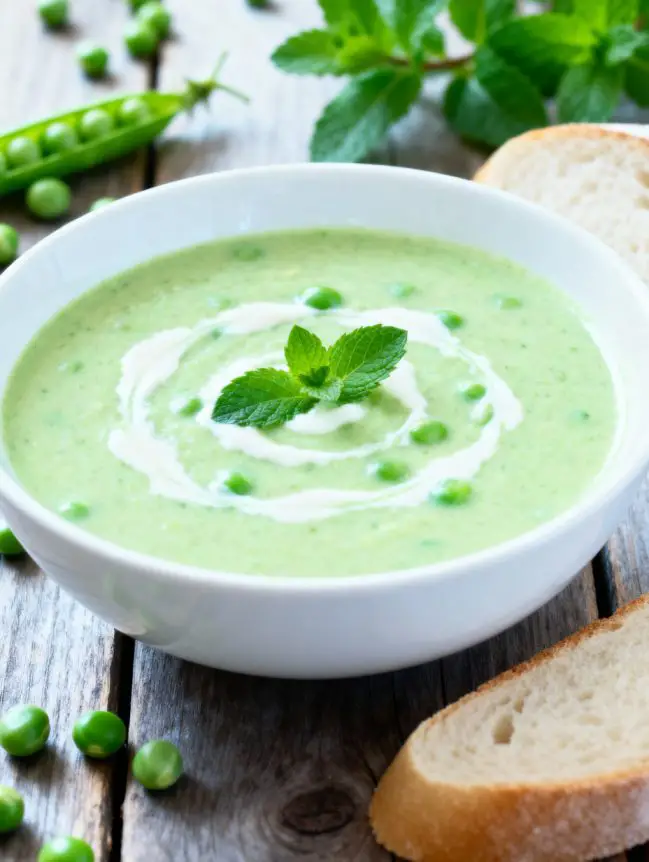
Soft, refreshing, and smooth — made with green peas, fresh mint, and vegetable stock.
Blend until creamy, and stir in a spoonful of ricotta cheese or plant-based cream.
Peas provide gentle protein and fiber, while mint adds lightness that helps stimulate appetite.
Ideal for warm-weather meals or light dinners.
🕒 Prep Time: 10 minutes
🔥 Cook Time: 20 minutes
🍽️ Servings: 4
🌱 Diet Type: Vegetarian, Soft Food Friendly, High in Fiber & Antioxidants
🧾 Ingredients
- 1 tablespoon olive oil or unsalted butter
- 1 small onion, finely chopped
- 2 cloves garlic, minced
- 3 cups green peas (fresh or frozen)
- 2 cups vegetable broth (low sodium)
- ¼ cup fresh mint leaves, loosely packed
- ½ cup low-fat milk, oat milk, or cashew cream
- Salt and pepper, to taste
- Optional: squeeze of lemon juice for brightness
👩🍳 Instructions
- Sauté the Aromatics
- Heat olive oil in a saucepan over medium heat.
- Add onion and sauté for 3–4 minutes until soft and translucent.
- Stir in garlic and cook briefly for about 30 seconds (do not brown).
- Cook the Peas
- Add green peas and vegetable broth to the pot.
- Bring to a boil, then reduce heat and simmer gently for 10 minutes, or until peas are tender.
- Add Mint & Blend
- Remove from heat and stir in mint leaves.
- Blend with an immersion blender (or regular blender) until completely smooth and creamy.
- For an ultra-soft texture suitable for seniors, strain the soup through a fine-mesh sieve.
- Add Creaminess & Seasoning
- Return the soup to low heat.
- Stir in milk or cashew cream, and season with salt, pepper, and a squeeze of lemon juice if desired.
- Warm gently for 2–3 minutes — do not boil after adding milk.
🩺 Nutritional Highlights (Per Serving)
- Calories: ~160 kcal
- Protein: 7g
- Fiber: 5g
- Vitamin K & C: boost bone and immune health
- Antioxidants: from peas and mint support healthy aging
💡 Tips for Seniors
- Add 1 tablespoon of ricotta or Greek yogurt for a protein boost.
- If mint is too strong, use half the amount or replace with parsley.
- Serve lukewarm to protect sensitive gums.
- This soup freezes beautifully — store for up to 2 months in small containers.
7. Cauliflower and Potato Soup
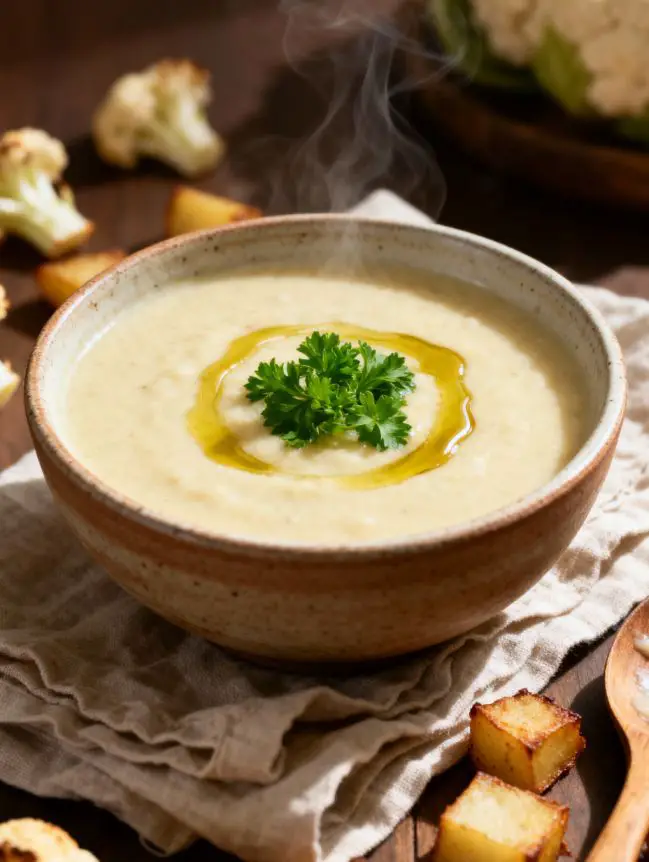
This mild, silky soup offers warmth and comfort in every bite.
Simmer cauliflower florets and potatoes with a bit of garlic, then blend until smooth.
Add olive oil, nutritional yeast, and a hint of thyme for savory flavor.
It’s a great calcium and fiber source, gentle for seniors with sensitive teeth or gums.
🕒 Prep Time: 10 minutes
🔥 Cook Time: 25 minutes
🍽️ Servings: 4
🌱 Diet Type: Vegetarian, Soft Food Friendly, Gluten-Free
🧾 Ingredients
- 1 tablespoon olive oil or unsalted butter
- 1 small onion, finely chopped
- 2 cloves garlic, minced
- 1 medium cauliflower head, cut into florets (about 4 cups)
- 2 medium potatoes, peeled and diced
- 3 cups vegetable broth (low sodium)
- ½ cup milk, oat milk, or coconut milk
- 1 tablespoon nutritional yeast (optional for cheesy flavor)
- ½ teaspoon thyme or rosemary
- Salt and pepper, to taste
- Optional garnish: chopped parsley or a drizzle of olive oil
👩🍳 Instructions
- Sauté the Base
- In a large pot, heat olive oil over medium heat.
- Add onion and sauté for 3–4 minutes until soft and translucent.
- Stir in garlic and cook for another 30 seconds.
- Add Vegetables & Broth
- Add cauliflower florets, potatoes, and vegetable broth.
- Bring to a boil, then reduce to low heat.
- Cover and simmer for 15–18 minutes, or until vegetables are tender enough to mash easily.
- Blend Smooth
- Remove from heat and cool slightly.
- Use an immersion blender (or countertop blender) to puree until creamy.
- For seniors with sensitive chewing ability, strain through a fine-mesh sieve for an ultra-smooth texture.
- Add Creaminess & Flavor
- Return to low heat. Stir in milk, nutritional yeast, thyme, salt, and pepper.
- Simmer gently for 3–4 minutes to blend flavors.
- Adjust consistency with extra broth or milk if needed.
- Serve Warm
- Garnish with parsley or a light drizzle of olive oil for added richness.
- Serve with soft whole-grain toast or mashed lentils for a filling, nutrient-balanced meal.
🩺 Nutritional Highlights (Per Serving)
- Calories: ~190 kcal
- Protein: 6g
- Fiber: 5g
- Vitamin C: 70% DV (boosts immunity)
- Potassium: supports heart and muscle health
- Low in fat and cholesterol-free
💡 Tips for Seniors
- Use peeled potatoes for extra-smooth texture.
- Add a spoon of Greek yogurt or soft cheese for more creaminess and calcium.
- Avoid reheating multiple times — portion before freezing for up to 2 months.
- Ideal for lunch or light dinner — pairs well with soft vegetable puree or lentil patty.
8. Butternut Squash and Apple Soup
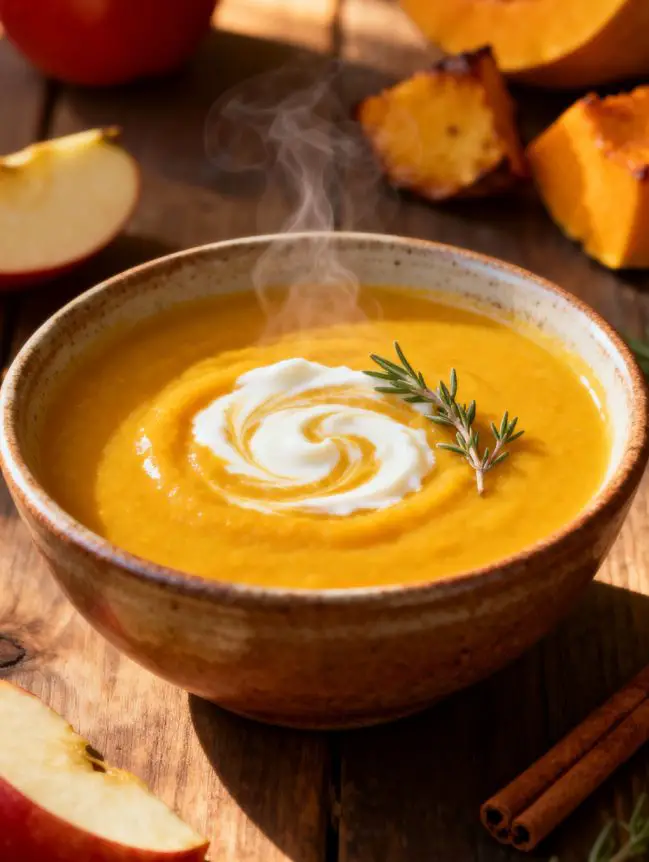
A softly sweet and slightly tangy soup combining roasted butternut squash and peeled apples.
Blend with vegetable broth, ginger, and a touch of cinnamon.
This soup provides antioxidants, vitamin A, and natural hydration.
The apple’s mild acidity balances the richness, making it easy to enjoy daily.
🕒 Prep Time: 10 minutes
🔥 Cook Time: 25 minutes
🍽️ Servings: 4
🌱 Diet Type: Vegetarian, Soft Food Friendly, Gluten-Free
🧾 Ingredients
- 1 tablespoon olive oil or unsalted butter
- 1 small onion, finely chopped
- 2 cloves garlic, minced
- 3 cups butternut squash, peeled and cubed
- 1 large apple, peeled, cored, and diced (sweet or mildly tart, like Fuji or Gala)
- 2½ cups vegetable broth (low sodium)
- ½ cup coconut milk or oat milk
- ½ teaspoon ground cinnamon
- ¼ teaspoon ground ginger or fresh grated ginger
- Salt and pepper, to taste
- Optional: 1 teaspoon maple syrup or honey for mild sweetness
👩🍳 Instructions
- Sauté the Aromatics
- In a pot, heat olive oil over medium heat.
- Add onion and sauté until translucent (about 3–4 minutes).
- Add garlic and cook for another 30 seconds until fragrant.
- Add Squash and Apple
- Stir in butternut squash and apple pieces.
- Pour in vegetable broth and bring to a gentle boil.
- Reduce heat and simmer for 18–20 minutes, until everything is soft and easily mashed.
- Blend Until Smooth
- Remove from heat and let cool slightly.
- Blend using an immersion blender or stand blender until silky smooth.
- For an extra-soft, denture-friendly texture, strain through a fine-mesh sieve.
- Add Creaminess & Flavor
- Return to low heat. Stir in coconut milk, cinnamon, and ginger.
- Add salt, pepper, and a touch of maple syrup or honey if desired.
- Simmer for 2–3 minutes to combine flavors.
- Serve Warm
- Pour into bowls and garnish with a swirl of coconut milk or a pinch of cinnamon.
- Pair with soft bread, pureed lentils, or mashed veggies for a complete, balanced meal.
🩺 Nutritional Highlights (Per Serving)
- Calories: ~175 kcal
- Fiber: 4g (supports digestion)
- Vitamin A: 300% DV (boosts vision and immunity)
- Vitamin C: 40% DV (supports healing and energy)
- Healthy fats: from coconut milk for absorption of fat-soluble nutrients
💡 Tips for Seniors
- Use fully ripe apples for natural sweetness and easier digestion.
- For extra creaminess, add a spoonful of Greek yogurt before serving.
- Make it heartier by adding pureed lentils or silken tofu.
- This soup freezes perfectly — store for up to 2 months and reheat gently.
9. Broccoli and White Bean Soup
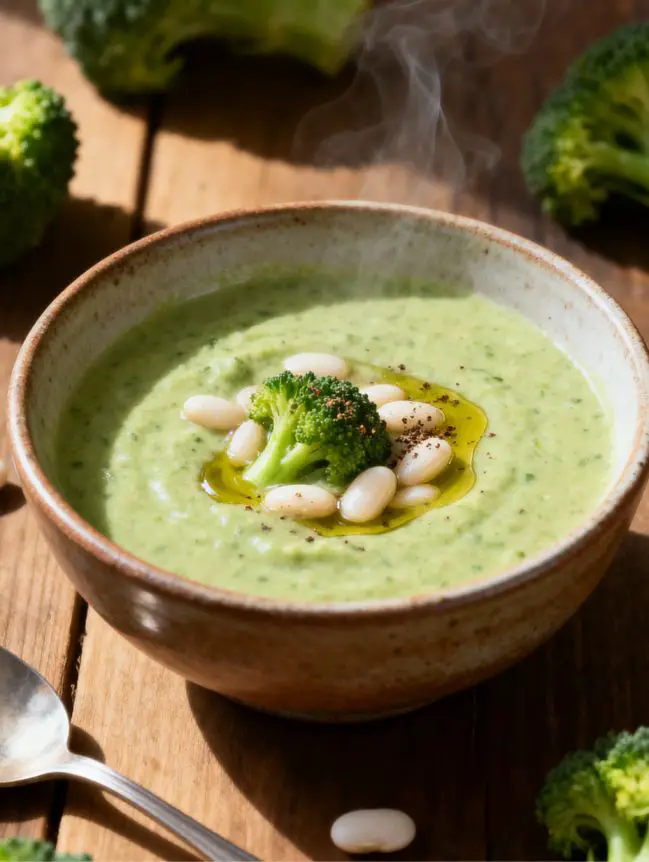
A high-protein, creamy green soup perfect for energy and immunity.
Cook broccoli florets, white beans, and onions until soft, then puree with vegetable broth and a drizzle of olive oil.
White beans give it a silky texture and keep the soup naturally thick without heavy cream.
Add a little lemon juice at the end for a light, refreshing touch.
🕒 Prep Time: 10 minutes
🔥 Cook Time: 25 minutes
🍽️ Servings: 4
🌱 Diet Type: Vegetarian, Soft Food Friendly, High Protein & Fiber
🧾 Ingredients
- 1 tablespoon olive oil or unsalted butter
- 1 small onion, finely chopped
- 2 cloves garlic, minced
- 3 cups broccoli florets, chopped (fresh or frozen)
- 1 medium potato, peeled and diced (adds creaminess)
- 1½ cups cooked white beans (such as cannellini or navy beans, rinsed and drained)
- 3 cups vegetable broth (low sodium)
- ½ cup milk, oat milk, or cashew cream
- ½ teaspoon dried thyme or oregano
- Salt and pepper, to taste
- Optional: squeeze of lemon juice for freshness
👩🍳 Instructions
- Sauté the Aromatics
- In a pot, heat olive oil over medium heat.
- Add onion and cook until soft and translucent (about 3–4 minutes).
- Stir in garlic and cook briefly, about 30 seconds, to release aroma.
- Add Vegetables and Broth
- Add broccoli, potato, and vegetable broth to the pot.
- Bring to a boil, then reduce to a gentle simmer.
- Cook for 15–18 minutes, or until vegetables are completely soft.
- Add White Beans and Seasonings
- Stir in white beans and thyme (or oregano).
- Cook for another 5 minutes to blend flavors and soften the beans further.
- Blend Smooth
- Remove from heat and let cool slightly.
- Blend using an immersion blender or stand blender until creamy and uniform.
- For seniors with sensitive chewing, strain through a fine-mesh sieve for an ultra-smooth texture.
- Add Creaminess & Adjust Seasoning
- Return the soup to low heat. Stir in milk or cashew cream for richness.
- Season with salt, pepper, and a touch of lemon juice for brightness.
- Simmer gently for 2–3 minutes before serving.
🩺 Nutritional Highlights (Per Serving)
- Calories: ~200 kcal
- Protein: 9g (supports muscle maintenance)
- Fiber: 6g (aids digestion)
- Vitamin C & K: strengthen immunity and bones
- Folate & Iron: boost red blood cell health
- Low-fat & cholesterol-free
💡 Tips for Seniors
- Add a spoonful of nutritional yeast for a cheesy flavor without dairy.
- For a thicker texture, blend only ¾ of the soup and keep the rest lightly mashed.
- Serve with soft bread, pureed grains, or mashed lentils for a complete meal.
- Store in airtight containers for up to 3 days in the fridge or 2 months in the freezer.
Pureed Vegetable Dishes
Smooth, creamy vegetable purees are packed with vitamins and minerals. They’re easy on the mouth and taste great. These pureed vegetarian recipes for seniors turn fresh veggies into soft, colorful meals. They’re easy to swallow, even for those with dental or throat issues.
Vegetable purees are nutritious and don’t lose their flavor or color. They’re smooth, so there’s no fibrous texture to worry about. Proper preparation techniques make these dishes safe and tasty for seniors with different dietary needs.
1. Spinach and Potato Puree
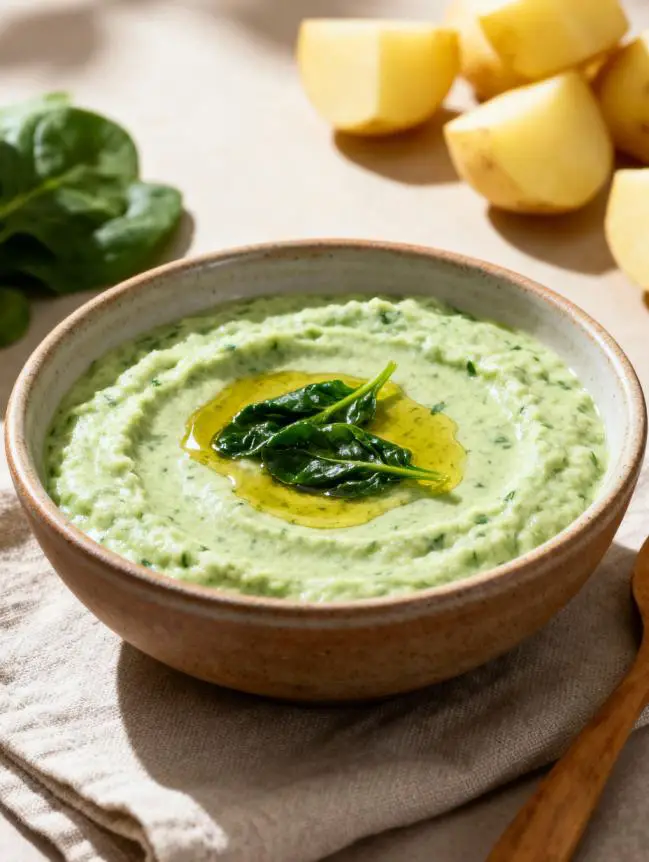
A creamy, iron-rich blend of spinach and potatoes, this Spinach and Potato Puree is smooth, comforting, and full of essential nutrients. Perfect for seniors, it’s gentle on digestion yet packed with flavor, making mealtime both healthy and satisfying.
🕒 Prep Time: 10 minutes
🔥 Cook Time: 20 minutes
🍽️ Servings: 3–4
🌱 Diet Type: Vegetarian, Soft Food Friendly, Iron-Rich
🧾 Ingredients
- 2 cups fresh spinach leaves, washed and trimmed
- 3 medium potatoes (Yukon Gold or similar), peeled and cubed
- 2 cloves garlic, minced
- 2 tablespoons olive oil or unsalted butter
- ¼ cup milk, oat milk, or vegetable broth (for desired texture)
- Salt and pepper, to taste
- Optional: pinch of nutmeg or lemon juice for flavor balance
👩🍳 Instructions
- Cook the Potatoes
- Place cubed potatoes in a pot of lightly salted water.
- Boil for 12–15 minutes, or until soft enough to mash easily.
- Drain and set aside.
- Steam the Spinach
- In a steamer or small pan, cook spinach leaves for 2–3 minutes, until wilted and bright green.
- Drain excess water to prevent a watery puree.
- Blend Until Smooth
- Combine potatoes, spinach, garlic, and olive oil in a blender or food processor.
- Add milk (or broth) gradually and blend until creamy and smooth.
- For seniors with chewing or swallowing issues, strain through a fine-mesh sieve for a velvety texture.
- Season & Serve
- Season with salt, pepper, and a hint of nutmeg or lemon juice if desired.
- Serve warm as a soft main dish or as a side with other pureed vegetables or soups.
🩺 Nutritional Highlights (Per Serving)
- Calories: ~170 kcal
- Protein: 4g
- Fiber: 4g
- Iron & Folate: support blood and brain health
- Vitamin C & K: boost immunity and bone strength
- Potassium: maintains heart and muscle health
💡 Tips for Seniors
- Add a spoonful of Greek yogurt or soft cheese for creaminess and extra protein.
- Keep the texture smooth and moist for easier swallowing.
- Freeze leftovers in small portions for up to 2 months.
- Pairs beautifully with pureed lentils, soups, or soft tofu dishes.
2. Sweet Potato and Carrot Puree
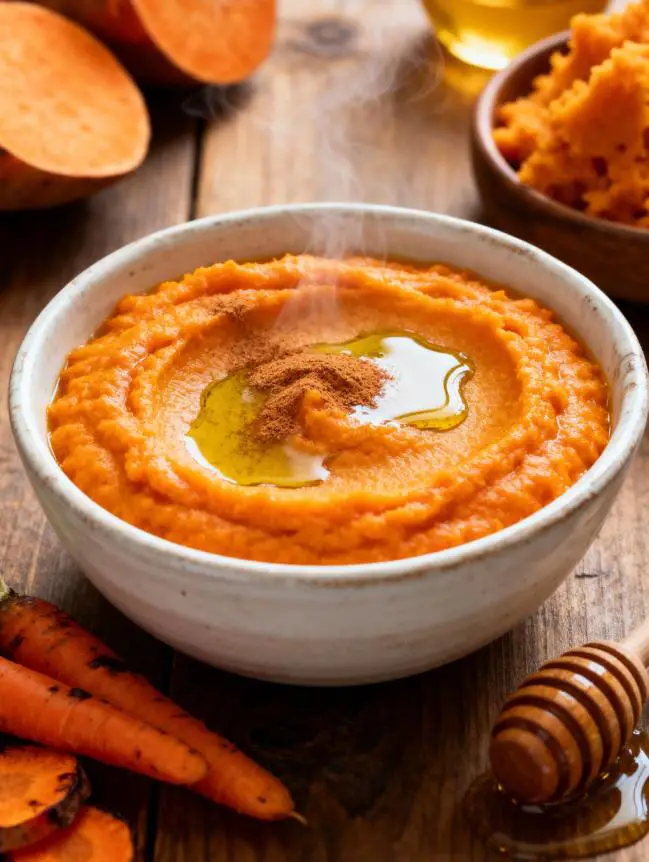
Smooth, colorful, and rich in natural sweetness, this Sweet Potato and Carrot Puree is packed with fiber, beta-carotene, and comfort. Perfect for seniors, it’s easy to digest, nourishing, and full of warmth — a simple way to bring flavor and nutrition together in every spoonful.
🕒 Prep Time: 10 minutes
🔥 Cook Time: 25 minutes
🍽️ Servings: 3–4
🌱 Diet Type: Vegetarian, Soft Food Friendly, High in Beta-Carotene
🧾 Ingredients
- 2 large sweet potatoes, peeled and diced
- 3 medium carrots, peeled and sliced
- 1 tablespoon olive oil, unsalted butter, or ghee
- 2 tablespoons tahini, cashew butter, or olive oil (for richness)
- ¼ cup milk, oat milk, or vegetable broth (to adjust texture)
- 1 teaspoon honey or maple syrup (optional for light sweetness)
- Pinch of cinnamon or nutmeg
- Salt, to taste
👩🍳 Instructions
- Cook the Vegetables
- Place sweet potatoes and carrots in a pot of water.
- Bring to a boil, then simmer for 20–25 minutes until very soft.
- Drain and let cool slightly.
- Blend Until Smooth
- Transfer the cooked vegetables to a blender or food processor.
- Add olive oil, tahini, and a small amount of milk or broth.
- Blend until smooth and creamy.
- For seniors with chewing or swallowing difficulties, strain through a fine-mesh sieve for a perfectly silky texture.
- Add Flavor & Adjust Consistency
- Stir in honey, cinnamon, and salt to taste.
- Add a bit more liquid if needed for a softer, easier-to-swallow consistency.
- Serve Warm
- Spoon into bowls and drizzle lightly with olive oil or a pinch of nutmeg.
- Serve as a warm main dish or alongside soft grains and soups.
🩺 Nutritional Highlights (Per Serving)
- Calories: ~180 kcal
- Fiber: 5g (aids digestion and gut health)
- Vitamin A: 350% DV (supports vision and immunity)
- Potassium & Magnesium: promote heart health
- Healthy fats: help absorb fat-soluble nutrients
💡 Tips for Seniors
- Add Greek yogurt or silken tofu for extra protein.
- Avoid over-sweetening — the natural flavor of carrots and sweet potatoes is already mild and pleasant.
- Serve slightly warm for easier swallowing and better flavor.
- Freeze in small portions for up to 2 months; reheat gently with a splash of broth or milk.
Soft Grain Options for Seniors
Soft grain meals make simple ingredients into comforting dishes. They support senior nutrition and are safe to eat. These complex carbohydrates provide essential energy and important nutrients like fiber and B-vitamins. Cooked grains are perfect for seniors who need easy-to-digest, satisfying meals.
Cooking grains for longer with more liquid makes them tender. This is key for seniors. Extended cooking times break down tough fibers for easier swallowing and digestion.
Oatmeal Variations
Creamy, versatile, and nourishing, these Oatmeal Variations provide both sweet and savory options that are easy to chew, full of fiber, and comforting for seniors. A warm, satisfying start to the day that supports digestion, heart health, and sustained energy.
🕒 Prep Time: 5 minutes
🔥 Cook Time: 25 minutes
🍽️ Servings: 2–3
🌱 Diet Type: Vegetarian, Soft Food Friendly, High Fiber
🧾 Base Ingredients
- ½ cup steel-cut oats (or rolled oats for quicker cooking)
- 2 cups water or milk (dairy or plant-based)
- Pinch of salt
- Optional: 1 teaspoon olive oil or butter for creaminess
💡 For an extra-soft texture, use a 1:4 oat-to-liquid ratio and cook longer on low heat until creamy.
🍯 1. Sweet Oatmeal — Banana Nut Blend
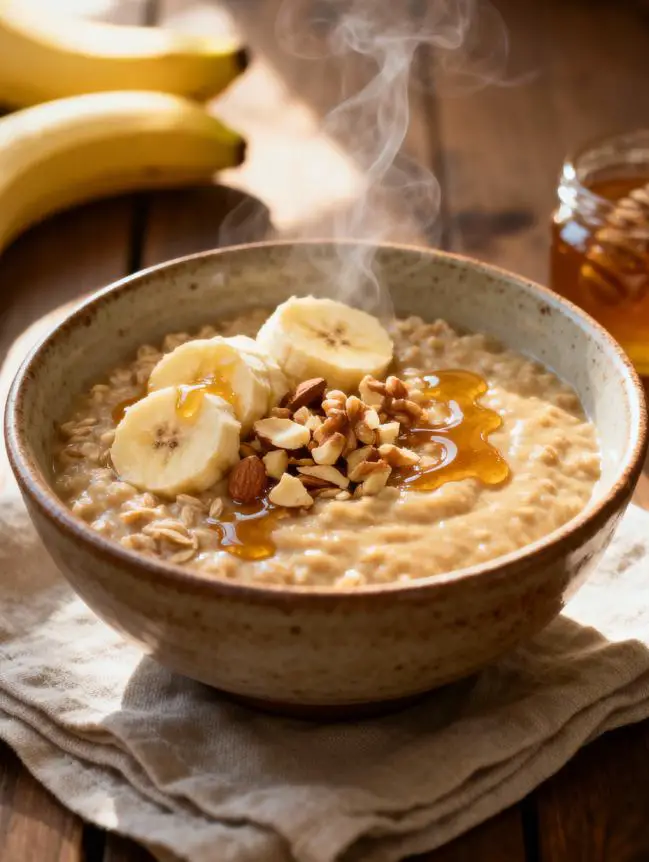
Ingredients
- ½ of the base oatmeal recipe
- 1 small ripe banana, mashed
- 1 tablespoon smooth peanut butter or almond butter
- ½ teaspoon cinnamon
- 1 teaspoon honey or maple syrup (optional)
- 1 tablespoon ground flaxseeds or chia seeds (optional for fiber)
Instructions
- Stir mashed banana and peanut butter into the hot oatmeal.
- Add cinnamon and honey for flavor.
- Mix until smooth and creamy.
- Serve warm — perfect for energy, digestion, and heart health.
Nutrition Tip:
Rich in potassium, fiber, and protein, this version supports muscle strength and balanced blood sugar.
🥣 2. Savory Oatmeal — Veggie Comfort Bowl
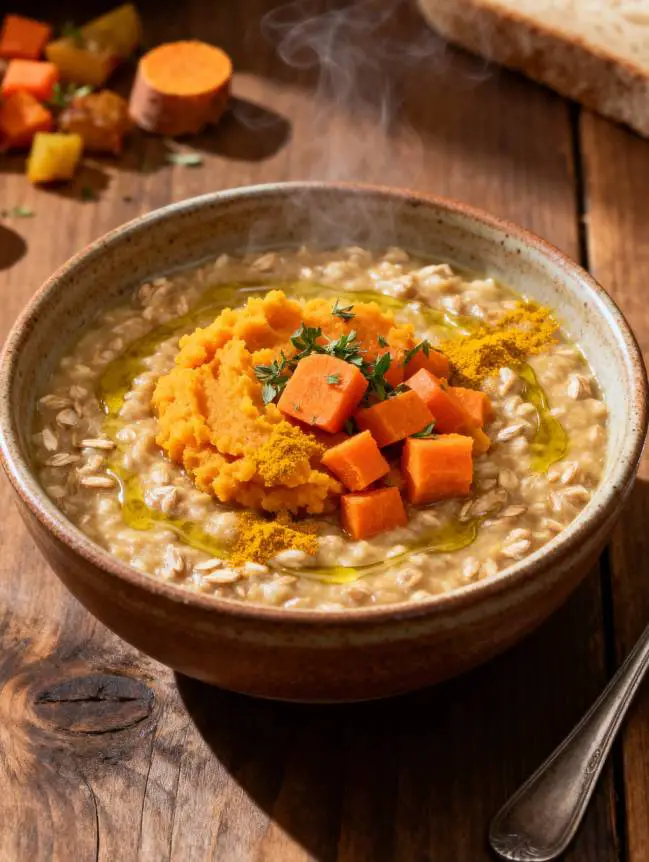
Ingredients
- ½ of the base oatmeal recipe
- ¼ cup pureed sweet potato or mashed carrots
- 1 tablespoon nutritional yeast (for a cheesy flavor)
- Pinch of turmeric and black pepper
- Optional: 1 tablespoon silken tofu or soft-cooked lentils for added protein
Instructions
- Stir pureed vegetables into the cooked oats.
- Add nutritional yeast and spices.
- Mix until creamy and heated through.
- Serve warm and top with a drizzle of olive oil for a heart-healthy finish.
Nutrition Tip:
This variation provides vitamin A, B12 (from nutritional yeast), and plant protein — ideal for seniors needing immune and muscle support.
🩺 Nutritional Highlights (Per Serving)
- Calories: ~200–230 kcal
- Fiber: 5–6g
- Protein: 6–8g
- Iron, Magnesium & B Vitamins: support energy and bone health
- Beta-glucan fiber: promotes heart and digestive wellness
💡 Tips for Seniors
- Use steel-cut oats cooked longer for softness; avoid instant oats for better nutrition.
- Serve slightly warm for easier swallowing.
- For extra calories, add a spoon of nut butter, milk, or ghee.
- Refrigerate leftovers for 2 days — reheat with a splash of milk for a fresh taste.
Quinoa and Vegetable Bowl
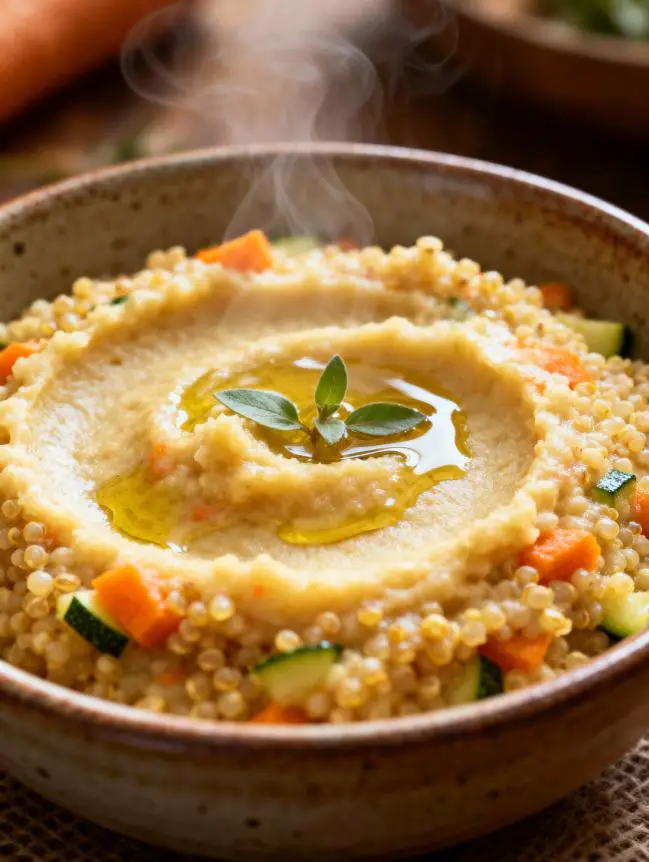
Soft, hearty, and packed with plant-based protein, this Quinoa and Vegetable Bowl combines tender vegetables, gentle spices, and creamy texture for a comforting, nutritious meal. Perfect for seniors, it’s easy to digest, full of flavor, and supports lasting strength and energy.
Prep Time: 10 minutes
🔥 Cook Time: 25 minutes
🍽️ Servings: 3–4
🌱 Diet Type: Vegetarian, Soft Food Friendly, High Protein & Fiber
🧾 Ingredients
- 1 cup quinoa, rinsed well
- 3 cups vegetable broth (adds flavor and softness)
- 1 tablespoon olive oil or unsalted butter
- 1 small carrot, diced and cooked until soft
- ½ zucchini, diced
- ½ red bell pepper, finely chopped
- ½ cup cooked sweet potato or pumpkin puree
- ¼ teaspoon turmeric powder
- ½ teaspoon mild herbs (thyme, basil, or parsley)
- Salt and pepper, to taste
- Optional: 1 tablespoon nutritional yeast or grated soft cheese for flavor
👩🍳 Instructions
- Cook the Quinoa
- In a pot, combine quinoa and vegetable broth (1:3 ratio).
- Bring to a boil, then reduce heat to low.
- Cover and simmer for 20 minutes, until quinoa is soft and fluffy.
- For seniors, add an extra ¼ cup broth and cook 5 minutes longer for a smoother, tender texture.
- Prepare the Vegetables
- In a skillet, heat olive oil over low heat.
- Add carrot, zucchini, and bell pepper. Cook for 6–8 minutes, until very soft.
- Mix in cooked sweet potato or pumpkin puree for creaminess.
- Combine and Season
- Stir the soft vegetables into the warm quinoa.
- Add turmeric, herbs, and nutritional yeast.
- Mix gently until creamy and evenly seasoned.
- Adjust salt and pepper to taste.
- Serve Warm
- Spoon into bowls and top with a drizzle of olive oil or soft cheese.
- Serve as a full meal or side dish with soft soups or purees.
🩺 Nutritional Highlights (Per Serving)
- Calories: ~220 kcal
- Protein: 8g (supports muscle maintenance)
- Fiber: 5g (aids digestion)
- Iron, Magnesium, and B Vitamins: support energy and blood health
- Low cholesterol & heart-friendly fats
💡 Tips for Seniors
- Cook vegetables extra soft or blend lightly for smoother texture.
- For higher calories, mix in mashed avocado or silken tofu.
- Serve slightly warm to make chewing and swallowing easier.
- Freeze extra portions for up to 2 months — reheat with a splash of broth before serving.
Soft Protein Sources for Vegetarian Diets
Soft vegetarian proteins are ideal for seniors to maintain muscle strength and immunity. When combined properly, plant-based sources provide all essential amino acids. These recipes focus on gentle cooking methods and easy-to-chew ingredients that keep meals both nutritious and digestible.
Silken Tofu Recipes
Smooth, creamy, and full of plant protein, these Silken Tofu Recipes are perfect for seniors who want easy-to-chew, nourishing meals. Whether as a soft breakfast scramble, blended smoothie, or creamy sauce, silken tofu delivers comfort, taste, and balanced nutrition in every bite.
🕒 Prep Time: 10 minutes
🔥 Cook Time: 10–15 minutes
🍽️ Servings: 2–3
🌱 Diet Type: Vegetarian, Soft Food Friendly, High Protein
🧾 Ingredients (Base)
- 1 block (about 12 oz) silken tofu, drained gently
- 1 teaspoon olive oil or unsalted butter
- 1 tablespoon nutritional yeast (optional for flavor)
- Salt and pepper, to taste
Silken tofu has a delicate texture, making it one of the best protein sources for seniors — smooth, creamy, and easy to swallow. Here are three gentle, delicious variations based on this base ingredient.
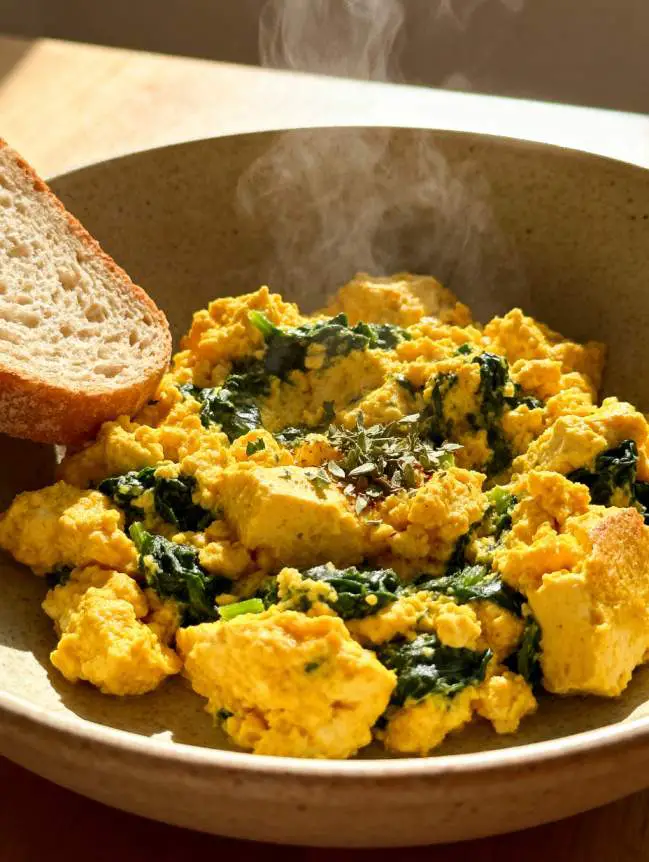
1. Soft Tofu Scramble (Egg-Free Breakfast)
Ingredients
- Base tofu (from above)
- ¼ teaspoon turmeric
- 2 tablespoons soft spinach, finely chopped
- 2 tablespoons milk or oat milk
- Optional: pinch of black salt (for egg-like flavor)
Instructions
- In a pan, heat olive oil over low flame.
- Add crumbled silken tofu and cook gently for 5–6 minutes.
- Mix in turmeric, spinach, and milk until soft and fluffy.
- Season with salt and black pepper.
- Serve warm with soft toast or mashed avocado.
Nutrition Tip: High in protein and iron, this dish helps maintain muscle and energy.
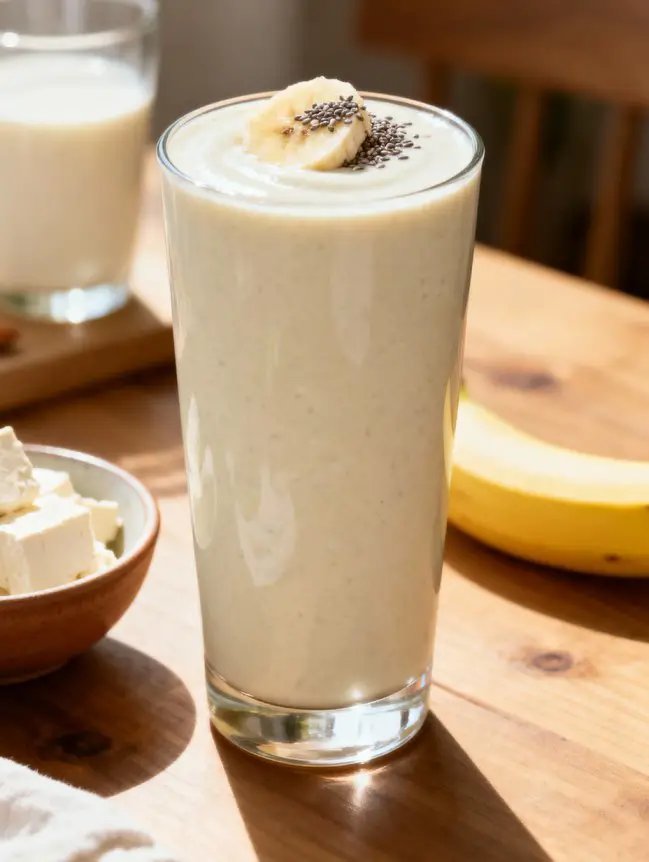
🍶 2. Creamy Tofu Smoothie (Meal Replacement Drink)
Ingredients
- ½ block silken tofu
- 1 cup milk, soy milk, or almond milk
- 1 small banana or mango
- 1 teaspoon honey or maple syrup (optional)
- 1 tablespoon chia seeds (optional for fiber)
Instructions
- Combine all ingredients in a blender.
- Blend until smooth and creamy.
- Serve chilled or at room temperature.
Nutrition Tip: Offers complete protein, potassium, and healthy fats — ideal for seniors with low appetite or chewing difficulties.
🍝 3. Tofu Cream Sauce (For Pasta or Vegetables)

Ingredients
- ½ block silken tofu
- 1 tablespoon olive oil
- 1 clove garlic, cooked until soft
- 1 tablespoon lemon juice
- ¼ teaspoon dried basil or oregano
- 2 tablespoons milk or vegetable broth
Instructions
- Blend tofu, garlic, olive oil, lemon juice, and herbs until smooth.
- Heat gently in a pan for 2–3 minutes (do not boil).
- Pour over soft pasta, mashed veggies, or grains.
Nutrition Tip: Provides protein, calcium, and healthy fats — a great alternative to heavy dairy sauces.
🩺 Nutritional Highlights (Per Serving)
- Calories: ~180–220 kcal
- Protein: 10–12g
- Iron & Calcium: support bone and muscle health
- Omega-3 fats: from olive oil or chia seeds
- Low in cholesterol & easy to digest
💡 Tips for Seniors
- Always handle tofu gently to preserve its soft texture.
- Serve slightly warm — not hot — for easy swallowing.
- Add pureed vegetables for color and extra nutrients.
- Store in the fridge for up to 3 days; reheat gently before serving.
Legume-Based Dishes
Soft, creamy, and full of nourishment, these Legume-Based Dishes offer protein-rich comfort for seniors. From silky lentil soups to smooth bean purees and chickpea hummus, each recipe is easy to chew, easy to love, and full of wholesome energy.
🕒 Prep Time: 10 minutes
🔥 Cook Time: 25–30 minutes
🍽️ Servings: 3–4
🌱 Diet Type: Vegetarian, Soft Food Friendly, High Protein & Fiber
🧾 Why Legumes Are Great for Seniors
Lentils, chickpeas, and white beans are rich in protein, iron, and fiber, making them ideal for senior nutrition. When cooked thoroughly or blended, they become soft and creamy, perfect for those with chewing or swallowing difficulties.
Below are three gentle and delicious legume-based meal ideas.
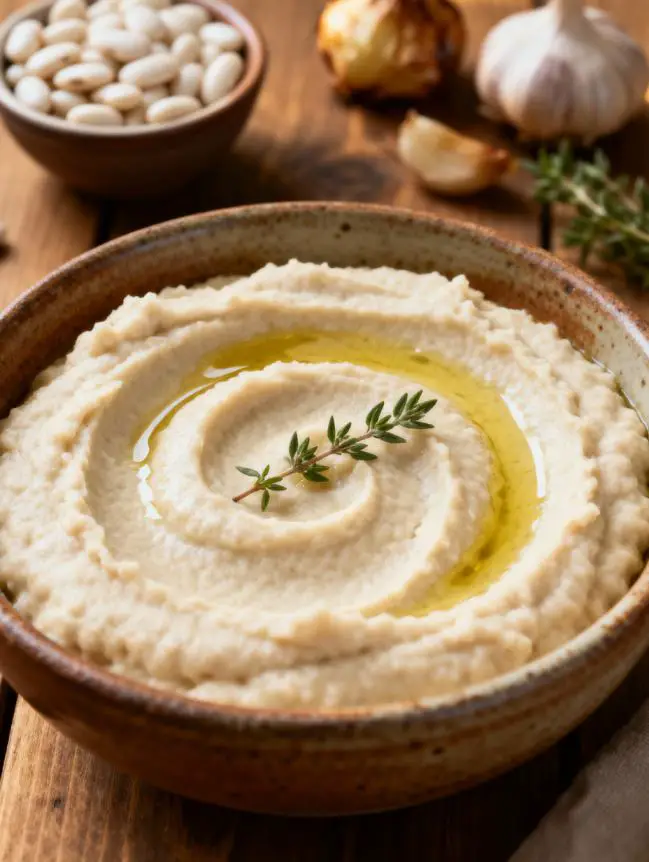
🥣 1. Creamy White Bean Puree
Ingredients
- 2 cups cooked white beans (cannellini or navy)
- 2 tablespoons olive oil
- 1 clove garlic, cooked until soft
- ½ cup vegetable broth or milk
- ½ teaspoon thyme or rosemary
- Salt and pepper, to taste
Instructions
- Add all ingredients to a blender or food processor.
- Blend until creamy and smooth, adding more broth as needed.
- Warm gently before serving.
Nutrition Tip:
Rich in fiber and plant protein, this puree supports gut health and stable energy levels. Serve as a soft side dish or a dip with tender vegetables.
🥗 2. Smooth Chickpea Hummus (Classic & Soft)
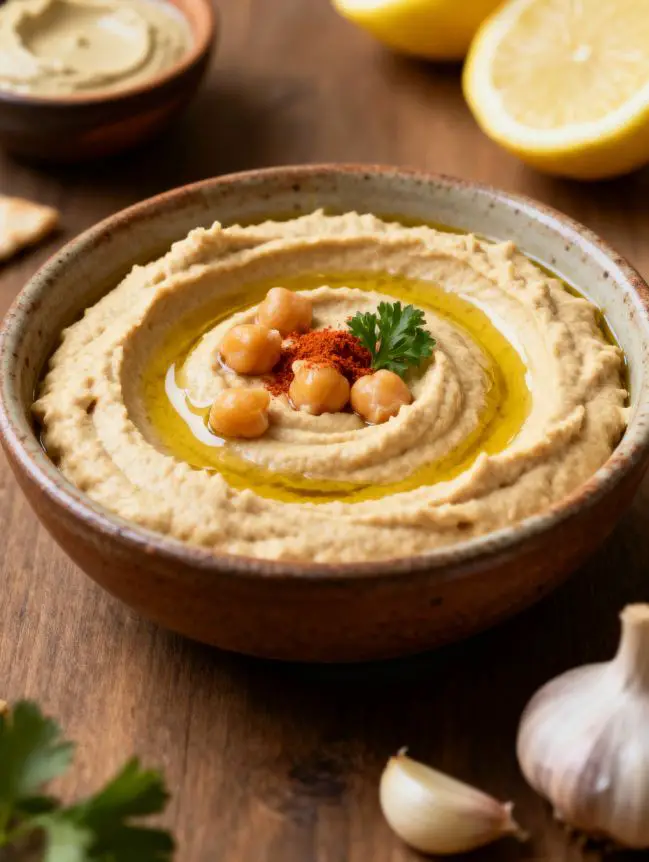
Ingredients
- 1½ cups cooked chickpeas, skin removed for smoothness
- 2 tablespoons tahini
- 1 tablespoon olive oil
- 1 clove garlic, soft-cooked
- Juice of ½ lemon
- ¼ cup warm water or vegetable broth
- Salt, to taste
Instructions
- Blend all ingredients until silky smooth.
- Adjust consistency with water or broth.
- Serve with soft pita bread, mashed veggies, or as a side with soups.
Nutrition Tip:
Chickpeas offer iron, folate, and protein, helping maintain strength and energy for seniors.
🩺 Nutritional Highlights (Per Serving)
- Calories: ~200 kcal
- Protein: 9–12g
- Fiber: 6–8g
- Iron & Folate: support red blood cell production
- Low fat & cholesterol-free
💡 Tips for Seniors
- Cook legumes longer for a melt-in-the-mouth texture.
- Add olive oil or broth for smoother blending.
- For extra calories, mix in soft tofu or mashed avocado.
- Store in airtight containers for 3 days in the fridge or freeze for up to 2 months.
Creative Soft Snack Ideas
Soft, creative snacks make healthy eating easy for seniors with chewing difficulties. These nutrient-rich bites help maintain energy, fill nutritional gaps, and bring comfort and enjoyment to mealtime while supporting overall health and dignity.
1. Yogurt Parfaits with Mashed Fruit
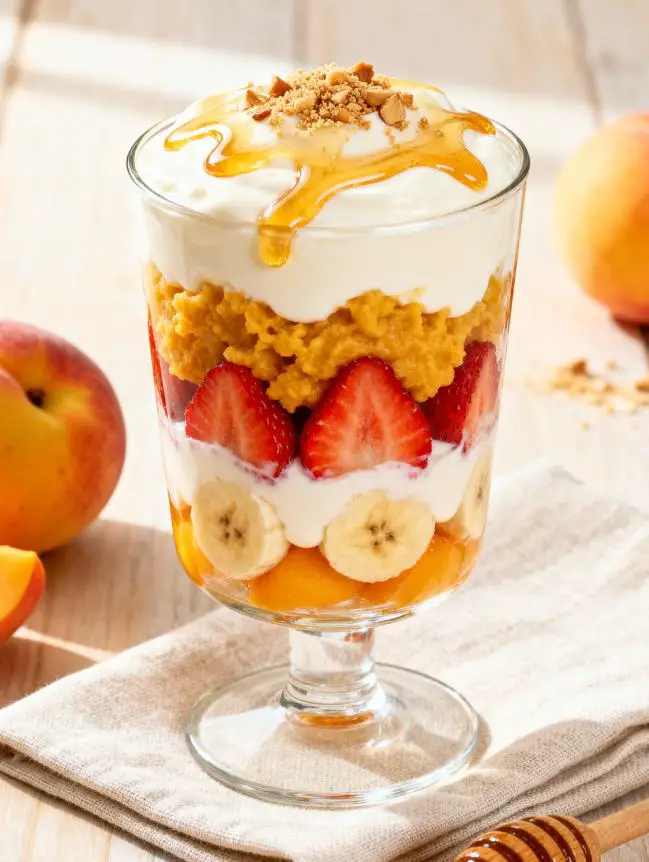
Creamy, colorful, and nourishing, this Yogurt Parfait with Mashed Fruit is a soft, easy-to-eat snack for seniors. Packed with protein, calcium, and antioxidants, it supports digestion, bone health, and energy — all in a delicious, spoonable treat.
🕒 Prep Time: 10 minutes
❄️ Chill Time (Optional): 15 minutes
🍽️ Servings: 2–3
🌱 Diet Type: Vegetarian, Soft Food Friendly, High Protein & Calcium
🧾 Ingredients
- 1½ cups Greek yogurt or plant-based yogurt (unsweetened or lightly sweetened)
- 1 medium banana, mashed
- ½ cup soft berries (strawberries, blueberries, raspberries) or peaches, mashed
- 1 tablespoon honey or maple syrup (optional)
- 1 tablespoon ground nuts (almonds, walnuts) or soft granola (optional for texture)
- A few mint leaves for garnish (optional)
👩🍳 Instructions
- Prepare the Fruit
- In a bowl, mash banana and soft berries (or peaches) with a fork until smooth.
- Add honey or maple syrup if desired for mild sweetness.
- Layer the Parfait
- In small glasses or bowls, add a layer of yogurt, followed by a spoonful of mashed fruit.
- Repeat the layers until full.
- Sprinkle ground nuts or soft granola on top for light crunch (optional).
- Chill and Serve
- Serve immediately or chill for 10–15 minutes for a cool, creamy treat.
- Garnish with a mint leaf or extra mashed fruit before serving.
🩺 Nutritional Highlights (Per Serving)
- Calories: ~160 kcal
- Protein: 8–10g
- Calcium & Probiotics: support bone and gut health
- Vitamin C & Fiber: boost immunity and digestion
- Healthy fats: from nuts improve heart health
💡 Tips for Seniors
- Use blended yogurt for a smoother texture.
- For easier swallowing, skip granola and use finely ground nuts or soft fruit only.
- Adjust sweetness naturally with mashed ripe fruits.
- Store in the fridge for up to 24 hours for freshness.
Flavorful Soft Salads
Soft, colorful salads are perfect for seniors on vegetarian diets — light, nourishing, and full of vitamins, minerals, and healthy fats. Using soft ingredients and gentle prep keeps them easy to chew while fresh flavors and bright colors boost appetite and mood.
1. Creamy Avocado and Tomato Combination
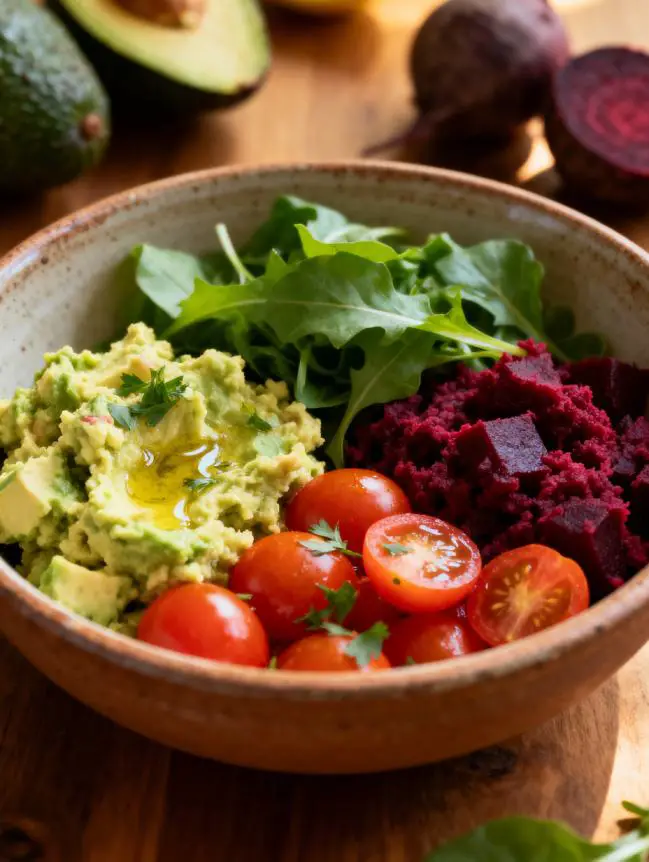
Creamy, refreshing, and nutrient-rich, this Avocado and Tomato Combination blends heart-healthy fats with immune-boosting vitamins in a soft, easy-to-eat dish. Perfect as a light meal or side, it’s both gentle and delicious for seniors.
🕒 Prep Time: 10 minutes
🍽️ Servings: 2–3
🌱 Diet Type: Vegetarian, Soft Food Friendly, Rich in Healthy Fats
🧾 Ingredients
- 1 large ripe avocado, peeled and mashed
- 2 ripe tomatoes, peeled, seeded, and finely chopped (or blended slightly for softness)
- 1 tablespoon olive oil
- 1 teaspoon lemon juice or apple cider vinegar
- 1 tablespoon fresh basil or parsley, finely chopped
- Salt and pepper, to taste
- Optional: 1 tablespoon soft ricotta or yogurt for extra creaminess
👩🍳 Instructions
- Prepare the Ingredients
- Mash the avocado until smooth and creamy.
- Blanch tomatoes briefly in hot water to remove skins, then chop finely or pulse in a blender.
- Mix and Season
- In a bowl, combine mashed avocado and softened tomatoes.
- Add olive oil, lemon juice, herbs, salt, and pepper.
- Mix gently until creamy and well combined.
- Serve Fresh
- Serve immediately as a soft salad, dip, or side dish.
- For extra nutrition, top with a spoonful of ricotta or yogurt.
🩺 Nutritional Highlights (Per Serving)
- Calories: ~180 kcal
- Healthy fats: from avocado for heart and brain health
- Vitamin C & Lycopene: from tomatoes for immune support
- Fiber: aids digestion and promotes fullness
💡 Tips for Seniors
- Use fully ripe avocados for the smoothest texture.
- Blend lightly if chewing is difficult.
- Add soft cheese or yogurt for extra calories and protein.
- Best served fresh — avoid storing for long, as avocado may brown.
2. Smooth Beet Preparation
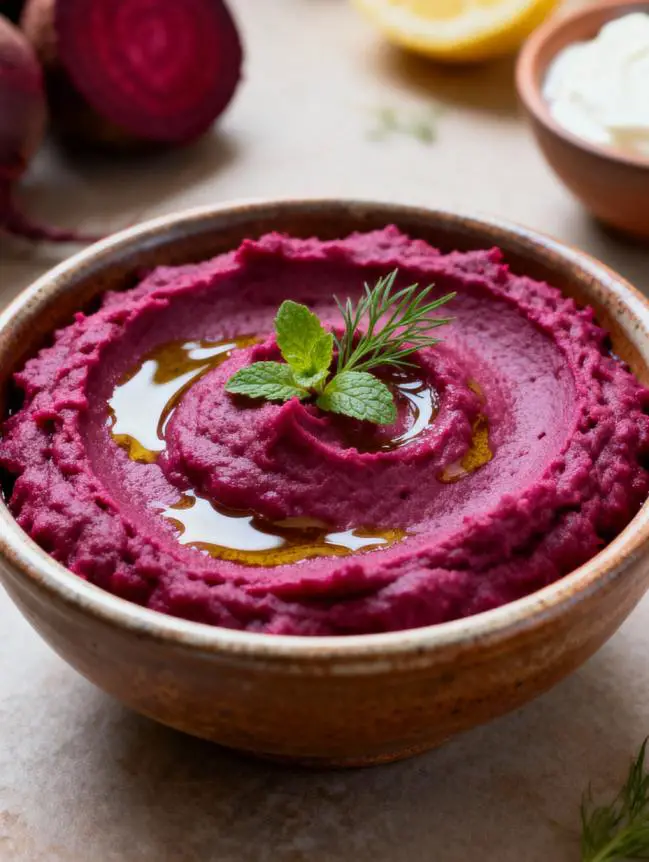
Colorful, smooth, and full of earthy sweetness, this Soft Beet Preparation combines tender beets, olive oil, and herbs into a creamy, heart-healthy dish. Perfect for seniors, it’s rich in folate, gentle on digestion, and adds vibrant flavor to any meal.
🕒 Prep Time: 10 minutes
🔥 Cook Time: 25 minutes
🍽️ Servings: 2–3
🌱 Diet Type: Vegetarian, Soft Food Friendly, Rich in Folate & Antioxidants
🧾 Ingredients
- 2 medium beets, peeled and chopped
- 1 tablespoon olive oil or unsalted butter
- 1 tablespoon lemon juice or apple cider vinegar
- 1 tablespoon Greek yogurt or soft ricotta cheese (optional for creaminess)
- ½ teaspoon fresh dill or mint, finely chopped
- Salt and pepper, to taste
👩🍳 Instructions
- Cook the Beets
- Steam or boil beet pieces for 20–25 minutes until very tender.
- Drain and let cool slightly.
- Blend Until Smooth
- Add cooked beets, olive oil, lemon juice, and a splash of water or broth to a blender.
- Blend until silky smooth.
- For extra creaminess, add Greek yogurt or ricotta cheese and blend again.
- Season and Serve
- Stir in fresh dill or mint.
- Add salt and pepper to taste.
- Serve slightly warm or at room temperature as a soft salad, side dish, or spread.
🩺 Nutritional Highlights (Per Serving)
- Calories: ~150 kcal
- Folate & Iron: support blood and brain health
- Vitamin C & Antioxidants: protect against cell damage
- Fiber: promotes gentle digestion
💡 Tips for Seniors
- Ensure beets are cooked until fully tender before blending.
- For easier swallowing, strain the puree through a fine sieve.
- Add a teaspoon of honey if a slightly sweeter taste is preferred.
- Store in the fridge for up to 2 days; reheat gently before serving.
Tips for Cooking Soft Foods at Home
Cooking soft foods at home is all about balancing nutrition, texture, and taste. With a few simple techniques, you can make healthy vegetarian meals that are easy to chew, digest, and enjoy — without losing flavor or nutrients.
Start by using gentle cooking methods like steaming, slow simmering, and pressure cooking. These techniques keep vegetables tender while preserving vitamins and minerals. Add extra liquid when cooking grains or legumes to create a smooth, creamy consistency. Avoid rapid boiling, as it can make food tough or unevenly cooked.
Flavor is just as important as texture. Use aromatic herbs, mild spices, and flavored broths instead of excess salt to make meals appetizing. Ingredients like garlic, basil, lemon zest, and olive oil enhance taste while supporting digestion and heart health.
Finally, focus on safe reheating and serving temperatures. Warm foods are easier for seniors to chew and swallow than very hot or cold ones. Experiment with textures — from smooth purees to soft mashes — to find what feels best. With a bit of creativity and care, soft vegetarian cooking can be both comforting and nourishing every day.
FAQ
What are the best soft vegetarian food recipes for seniors with chewing difficulties?
For seniors, the best soft vegetarian recipes include creamy soups like tomato basil and pumpkin ginger. Also, pureed vegetable dishes such as spinach and potato puree are great. Well-cooked oatmeal, silken tofu scrambles, and smoothies with fruits and veggies are also good. These recipes are tender and packed with nutrients like protein and vitamins.
How can I make easy to chew vegetarian recipes at home?
To make easy-to-chew vegetarian recipes, try extended steaming, slow braising, and pressure cooking. Cook veggies until they mash easily. Use blenders and food processors to get the right soft texture. This way, you keep the nutrients while making meals easier to eat.
What kitchen equipment do I need for preparing senior-friendly soft food ideas?
You’ll need high-quality blenders and food processors for smooth purees. Immersion blenders are great for soups. Fine-mesh sieves help remove lumps. Tools like potato ricers and food mills control texture. These tools make meal prep safe and efficient.
Are soft vegetarian meals for elderly nutritionally adequate?
Yes, soft vegetarian meals for the elderly can be very nutritious. They keep important nutrients like antioxidants and vitamins. These meals are also gentle on the stomach. They offer folate for the brain, potassium for the heart, and vitamin C for immunity.
What are the best blender-friendly vegetarian dishes for seniors?
Great blender-friendly dishes include smoothies with protein and greens. Creamy vegetable soups and silken tofu sauces are also good. Pureed legume dishes like hummus and fruit-vegetable juices are perfect. These dishes are packed with nutrition and easy to swallow.
How do I make pureed vegetarian recipes for seniors flavorful?
To make pureed recipes tasty, use herbs, spices, and citrus zests. Try sautéing aromatics and using flavored broths. Finish with fresh herbs. This way, seniors can enjoy complex flavors even with texture changes.
What vegetarian soft diet options work best for elderly with dental problems?
For seniors with dental issues, try yogurt parfaits with mashed fruits and soft cheese with crackers. Well-cooked quinoa bowls and creamy oatmeal are also good. Avocado salads and vegetable chowders are easy to chew and nutritious.
Can you suggest soft and nutritious vegetarian recipes for seniors with swallowing difficulties?
For seniors with swallowing issues, pureed beet salads and silken tofu scrambles are good. Smooth vegetable soups and protein-rich smoothies are also great. Make sure all ingredients are well-cooked and strained to avoid choking hazards.
What are some creative vegetarian soft meal ideas for seniors?
Creative meal ideas include layered yogurt parfaits and colorful pureed vegetable dishes. Savory oatmeal bowls and silken tofu desserts are also tasty. Serving soups at different temperatures adds variety while keeping nutrition high.
How often should seniors eat soft vegetarian foods throughout the day?
Seniors should eat three main meals and 2-3 soft snacks daily. This helps keep calorie intake up and prevents malnutrition. Smaller, more frequent meals are better for seniors, especially if they have changing appetites or take medication.
When should I consult a dietitian about soft vegetarian diets for seniors?
Consult a dietitian if seniors have health issues, lose weight unintentionally, or take meds that affect nutrient absorption. A dietitian can ensure seniors get enough B12, protein, and calcium while managing texture changes safely.
What protein sources work best in soft vegetarian recipes for seniors?
Good protein sources include silken tofu and pureed legumes like lentils. Greek yogurt, nut butters, and plant-based protein powders are also great. These sources are easy to digest and add essential amino acids to soft recipes.

