
Chewing problems can make dinnertime stressful for many seniors. Dentures, sensitive gums, missing teeth, jaw discomfort, or recent dental treatments often turn once-enjoyable meals into a daily challenge. As a result, some seniors begin skipping dinners, eating less, or relying on packaged foods that are easy to chew but lack proper nutrition.
Some seniors experience chewing difficulties due to gum sensitivity or dental health problems. Improving oral health can make eating easier. Supplements like ProDentim are designed to support gum health and oral bacteria balance.
Soft food dinners can make a meaningful difference. When meals are gentle on the mouth and easy to swallow, eating becomes comfortable again. Even better, soft foods don’t have to be bland or boring. With the right ingredients and simple cooking methods, they can be flavorful, filling, and deeply nourishing.
In this guide, you’ll find soft food dinner recipe ideas for seniors with chewing problems, using animal-cruelty-free, plant-based ingredients that naturally soften when cooked. These recipes focus on smooth textures, warm comfort, and balanced nutrition—helping you enjoy dinner without pain, stress, or worry, while also choosing meals that are kind to your body and compassionate toward animals.
[This post may contain affiliate links. What does that mean to you? Well, if you click on a product and make a purchase, I may get some compensation from you at no charge. If you want to read the boring stuff my full disclosure can be found here.]
2. Why Soft Food Dinner Recipes Matter for Seniors
As we grow older, eating is no longer just about taste—it becomes closely connected to comfort, safety, and overall well-being. Chewing difficulties are common among seniors due to dentures, gum sensitivity, tooth loss, jaw pain, or dry mouth. When dinner feels hard to eat, many seniors unintentionally reduce their food intake, which can affect energy levels, strength, and health.
Soft food dinner recipes help remove these barriers. Meals designed with soft textures require less chewing, placing minimal strain on the jaw and teeth. This makes eating more comfortable and allows seniors to enjoy dinner without pain or fatigue. When food is easier to manage in the mouth, it also supports smoother swallowing and lowers the risk of choking—an important concern for older adults.
Well-planned soft dinner recipes also support better nutrition. Seniors still need adequate protein, fiber, vitamins, and healthy fats, even if their chewing ability has changed. Soft, plant-based recipes made with well-cooked vegetables, lentils, grains, and tofu can deliver these nutrients in a form that’s easy to eat and digest.
Beyond physical health, soft dinner recipes play an emotional role. Being able to eat independently and comfortably helps seniors maintain confidence and dignity at mealtime. A warm, thoughtfully prepared soft dinner can bring reassurance, routine, and enjoyment back to the evening—making dinner something to look forward to, not avoid.
By choosing soft food dinner recipes tailored to senior needs, caregivers and seniors alike can ensure meals remain nourishing, safe, and satisfying, while respecting both the body’s changing needs and a compassionate, animal-cruelty-free way of eating.
“Supplements That May Support Senior Nutrition”
Recommend:
3. What Makes a Soft Dinner Recipe Senior-Friendly
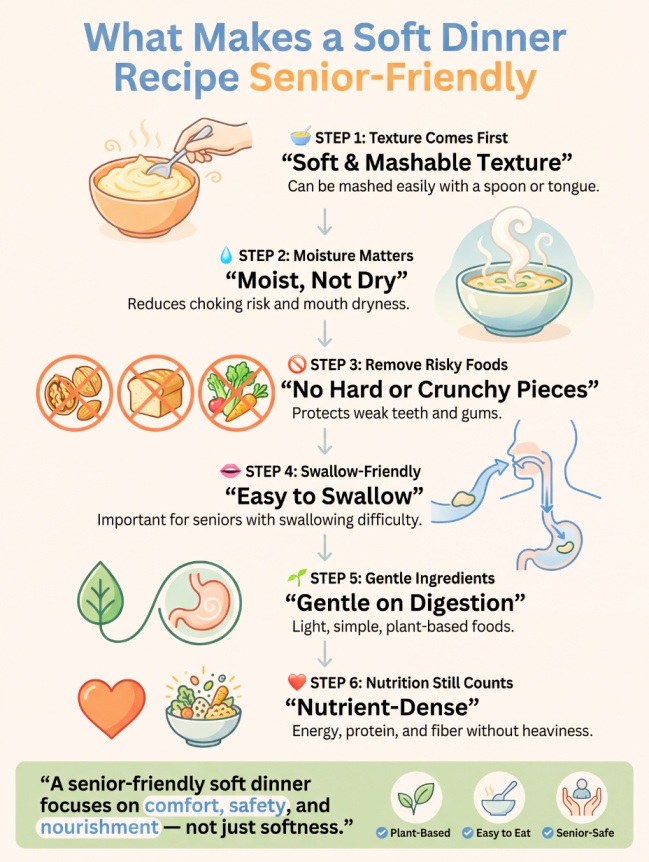
A senior-friendly soft dinner recipe is more than just food that looks soft. It should be easy to chew, safe to swallow, gentle on digestion, and nourishing enough to support overall health. Understanding these key elements can help seniors and caregivers choose the right meals with confidence.
1. Easy-to-Chew Texture
Soft dinner recipes should break down easily in the mouth with little or no chewing. Foods that are mashed, puréed, blended, or slow-cooked until tender are ideal. Smooth or slightly chunky textures work best, especially for seniors with dentures or sensitive gums.
2. Moist and Well-Hydrated
Dry foods can be difficult and uncomfortable to swallow. Senior-friendly recipes include enough moisture from vegetable broth, plant milk, sauces, or natural cooking liquids. Moist meals reduce throat irritation and make swallowing safer and more comfortable.
3. Gentle on Swallowing
Soft dinners should move easily from mouth to throat without sticking. Thick but smooth textures are often safer than thin or crumbly foods. Recipes should avoid dryness, stickiness, or uneven chunks that increase choking risk.
4. Warm and Soothing Temperature
Warm foods are generally easier to eat than cold ones. Warm temperatures help relax mouth and throat muscles and can stimulate saliva production, making chewing and swallowing easier for seniors with dry mouth.
5. Mild Flavoring
Strong spices, excessive salt, or high acidity can irritate sensitive mouths. Senior-friendly soft dinner recipes rely on gentle herbs, mild seasonings, and natural flavors to keep meals enjoyable without causing discomfort.
6. Animal-Cruelty-Free, Plant-Based Ingredients
Plant-based ingredients like lentils, beans, tofu, vegetables, grains, and plant milks soften naturally when cooked. They are easy to mash or blend and provide essential nutrients without tough fibers or chewy textures commonly found in animal products.
7. Easy Preparation and Simple Steps
Senior-friendly recipes should be simple to prepare, with minimal chopping, short ingredient lists, and flexible textures. This makes cooking less tiring and more accessible for seniors who prepare their own meals.

Helpful Kitchen Tools That Make Soft Meals Easier for Seniors
1. Mueller Ultra-Stick Immersion Hand Blender
This handheld blender easily turns vegetables, soups, and lentils into smooth meals that are gentle on teeth and gums. Perfect for preparing soft dinners quickly for seniors with chewing problems. Check Price on Amazon | >> See Why Home Cooks Love It
2. Hamilton Beach Mini Food Processor (3-Cup)
A compact food processor that chops and purees vegetables into soft textures ideal for senior-friendly meals. Great for making mashed vegetables, soft dips, and blended soups in minutes. View on Amazon | >> See Product Details
3. Oster Double Tier Electric Food Steamer
Steams vegetables until perfectly soft while keeping nutrients intact, making meals easier to chew and digest. Ideal for preparing healthy soft dinners for elderly family members. Check Price on Amazon | >> See How It Works
4. T-fal Nonstick Soup Pot
A deep nonstick pot perfect for cooking soft soups, lentils, porridges, and vegetable stews. Helps prepare warm, nourishing meals that are gentle on sensitive teeth and gums. View on Amazon | >> Check Current Price
5. OXO Good Grips Stainless Steel Potato Masher
This sturdy masher creates smooth mashed potatoes, sweet potatoes, and vegetables in seconds. A simple tool that helps turn everyday meals into soft, easy-to-eat dishes. See on Amazon | >> Read Reviews
6. Ninja Professional Countertop Blender
A powerful blender that makes ultra-smooth soups, smoothies, and purees for seniors with chewing difficulty. Perfect for preparing nutritious soft meals quickly at home. Check Price on Amazon | >> See Today’s Deal
7. EVLA Baby Food Maker Blender Set
Originally designed for baby food, this blender also works great for making ultra-soft meals for seniors. It helps create smooth textures that are easier to chew and swallow. Check Price on Amazon | >> Learn More
4. Soft Food Dinner Recipes for Seniors With Chewing Problems
These dinner recipes are designed to be soft, moist, and easy to swallow while still providing comfort and nourishment. If needed, any recipe can be blended further to achieve the right texture.
1. Creamy Mashed Sweet Potato Bowl

This creamy mashed sweet potato bowl is warm, naturally soft, and comforting. It has a smooth texture that requires little to no chewing, making it an ideal dinner option for seniors with sensitive gums, dentures, or jaw discomfort. Mild in flavor and easy to digest, it’s a gentle yet nourishing meal.
Why It Works:
Sweet potatoes soften easily when cooked, allowing them to be mashed into a smooth, lump-free consistency that is comfortable to chew and swallow. Their natural moisture helps prevent dryness in the mouth, which is especially helpful for seniors experiencing dry mouth or difficulty swallowing.
From a nutrition standpoint, sweet potatoes provide complex carbohydrates for steady energy, along with fiber that supports digestion when well-cooked. Adding a small amount of healthy fat, such as olive oil, improves texture while helping the body absorb fat-soluble nutrients.
This dish is also versatile—it can be thinned with warm water or vegetable broth, or blended further to suit individual chewing and swallowing needs. Its gentle taste and warm temperature make it soothing, safe, and satisfying, especially for evening meals.
Ingredients
- 1 medium sweet potato, peeled and chopped
- 1–2 teaspoons olive oil
- Warm water or vegetable broth (as needed)
- Pinch of salt (optional)
Step-by-Step Instructions
- Boil or steam the sweet potato until very soft (about 15–20 minutes).
- Drain well and place in a bowl.
- Mash thoroughly using a fork or masher.
- Add olive oil and a small amount of warm water or broth to make it smooth and moist.
- Serve warm.
2. Creamy Red Lentil Dal (Blended)
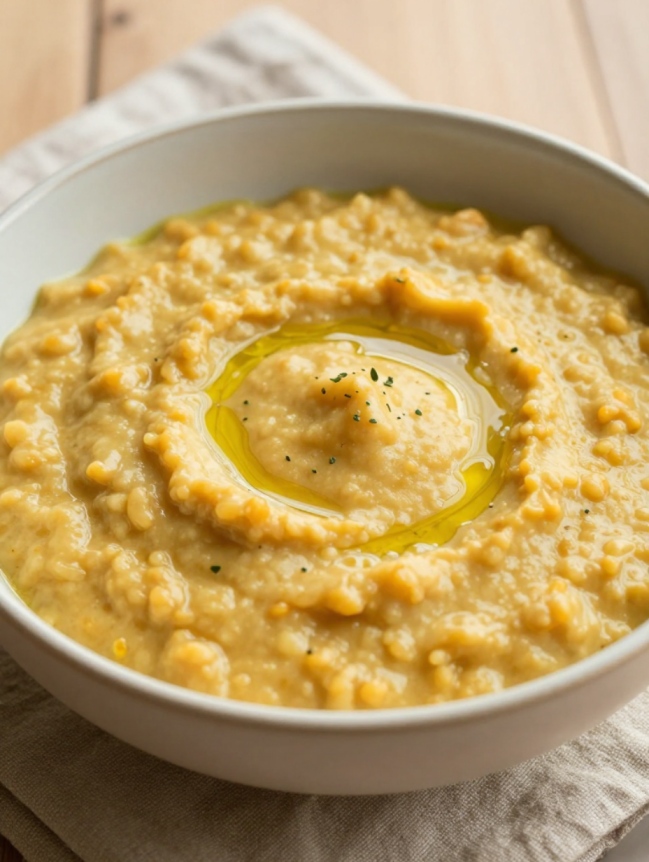
Creamy red lentil dal is a smooth, warm, and protein-rich dinner that’s easy to eat and gentle on the mouth. When cooked well and lightly blended, it requires no chewing, making it ideal for seniors with chewing problems, dentures, or sensitive gums.
Why It Works:
Red lentils naturally break down as they cook, creating a soft, creamy texture without needing heavy blending. This makes the dal easy to swallow and safe for seniors who struggle with chewing or jaw fatigue. Its moist consistency also helps reduce throat dryness and discomfort during meals.
Nutritionally, red lentils are an excellent plant-based source of protein, which supports muscle strength and energy in older adults. When cooked thoroughly, the fiber in lentils becomes gentler on digestion, helping support gut health without causing bloating.
This dish is also highly adaptable. It can be thinned with warm water or vegetable broth for an even smoother texture, or served thicker based on personal comfort. Mild seasoning keeps it soothing for sensitive mouths, making creamy red lentil dal a reliable, nourishing, and comforting dinner option for seniors.
Ingredients
- ½ cup red lentils (washed)
- 2 cups water
- Pinch of turmeric (optional)
- Salt to taste
Step-by-Step Instructions
- Add lentils and water to a pot.
- Simmer on low heat for 20–25 minutes until lentils completely break down.
- Stir occasionally to prevent sticking.
- Blend lightly for a smooth texture, if needed.
- Serve warm with soft rice or alone as a soup-like dinner.
- Drizzle ½–1 teaspoon olive oil on top just before serving for extra softness and easier swallowing.
3. Soft Vegetable Khichdi-Style Rice & Lentils
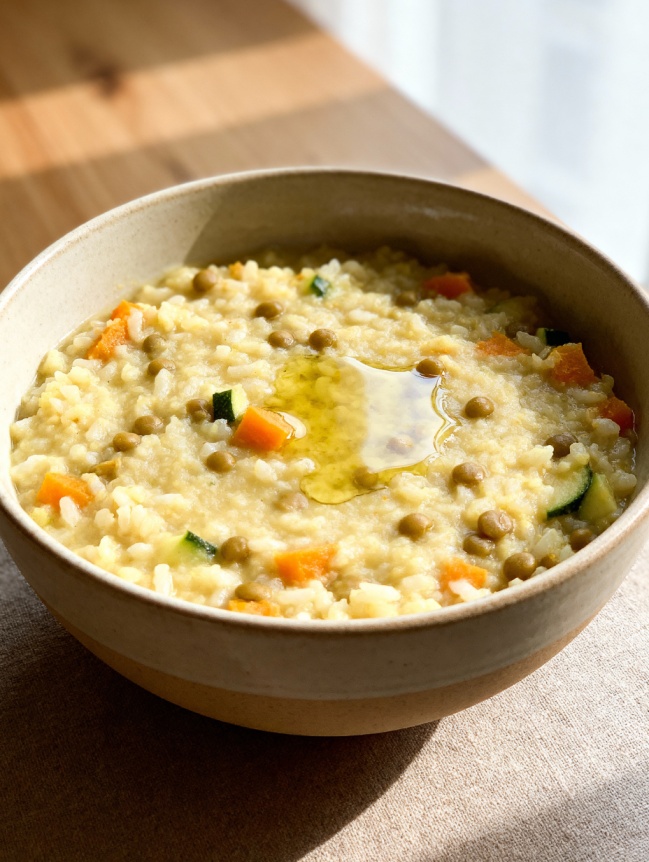
Soft vegetable khichdi-style rice and lentils is a warm, one-pot dinner that’s easy to chew, easy to swallow, and deeply comforting. Cooked until porridge-like, this dish requires minimal chewing, making it ideal for seniors with sensitive gums, dentures, or jaw discomfort.
Why It Works (Extended):
Rice and lentils soften completely when cooked together for a longer time, creating a smooth, moist texture that is gentle on the mouth and throat. The porridge-like consistency helps reduce chewing effort and lowers the risk of choking, especially for seniors with swallowing difficulties.
From a nutritional perspective, this dish provides a balanced combination of carbohydrates for energy and plant-based protein for muscle support. When vegetables are finely chopped and fully cooked, they add vitamins and fiber without creating tough textures.
Khichdi-style meals are also easy to customize. The texture can be adjusted by adding more water or vegetable broth, or lightly mashing the mixture for extra softness. Mild seasoning keeps the dish soothing for sensitive mouths, making it a reliable, nourishing, and comforting dinner option for seniors.
Ingredients
- ¼ cup rice
- ¼ cup split yellow lentils
- 2½ cups water
- Finely chopped vegetables (carrot, pumpkin, or zucchini)
Step-by-Step Instructions
- Rinse rice and lentils thoroughly.
- Add all ingredients to a pot or pressure cooker.
- Cook until everything becomes very soft and porridge-like.
- Mash lightly with a spoon if needed.
- Serve warm.
- Drizzle ½–1 teaspoon olive oil on top just before serving for extra softness and easier swallowing.
4. Creamy Vegetable Soup (Blended)
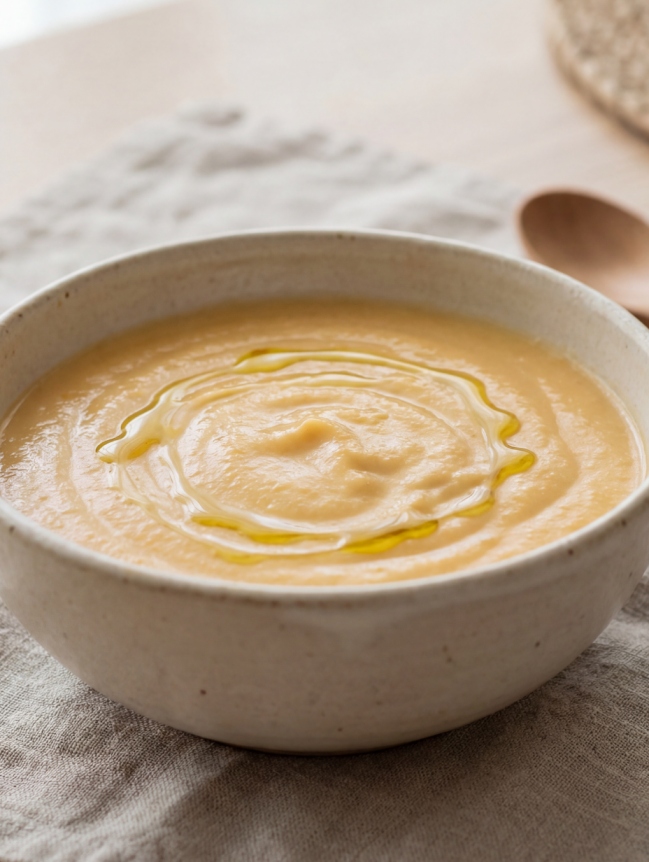
Creamy blended vegetable soup is a warm, smooth, and soothing dinner that requires no chewing. Made with well-cooked vegetables and blended to a silky texture, it is gentle on the mouth and easy to swallow, making it an excellent choice for seniors with chewing or swallowing difficulties.
Why It Works:
When vegetables are fully cooked and blended, they form a smooth, lump-free consistency that moves easily through the mouth and throat. This reduces chewing effort and lowers the risk of choking, while the warm temperature helps relax mouth and throat muscles, making eating more comfortable for seniors.
From a nutrition perspective, blended vegetable soups provide vitamins, minerals, and fiber in a form that’s easy to digest. Adding a small amount of plant milk or healthy oil improves texture and satiety, ensuring the meal feels nourishing and satisfying without being heavy or hard to eat.
Ingredients
- 1 cup chopped vegetables (carrot, pumpkin, or zucchini)
- 2 cups water or vegetable broth
- 1–2 tablespoons plant milk (optional)
Step-by-Step Instructions
- Boil vegetables until very soft.
- Allow to cool slightly, then blend until smooth.
- Add plant milk for creaminess if desired.
- Reheat gently and serve warm.
- Drizzle ½–1 teaspoon olive oil on top just before serving for extra softness and easier swallowing.
5. Savory Oatmeal Dinner Bowl
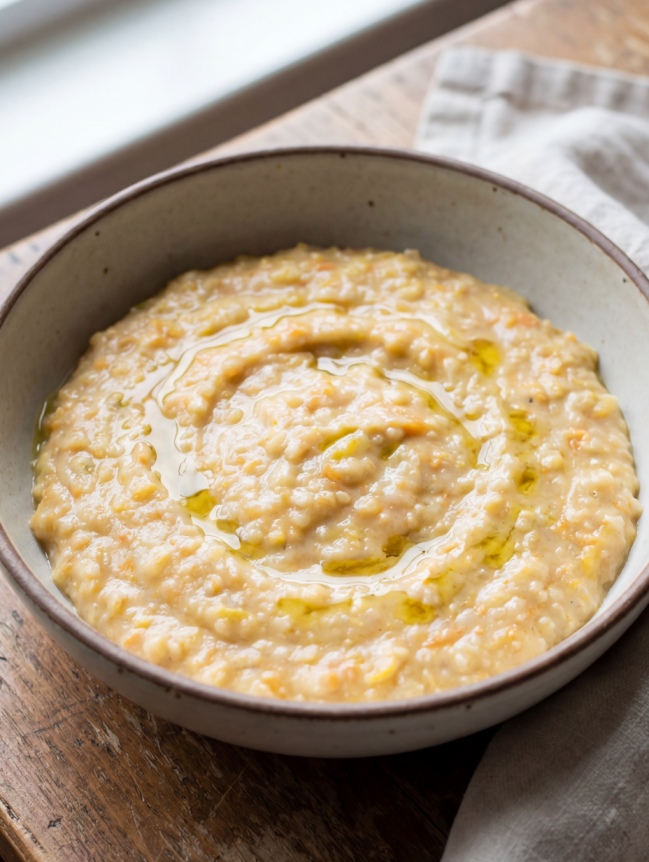
The savory oatmeal dinner bowl is a soft, warm, and filling meal that’s easy to chew and gentle on the mouth. Cooked until creamy and combined with well-mashed vegetables, it makes a comforting dinner option for seniors with chewing problems.
Why It Works (Extended):
Oats soften naturally when cooked and can be prepared to a smooth, porridge-like texture that requires little to no chewing. This makes them easy to swallow and comfortable for seniors with dentures, sensitive gums, or jaw fatigue, especially in the evening.
Nutritionally, oats provide steady energy and soluble fiber that supports digestion when well-cooked. When paired with mashed vegetables or plant-based protein, this dish becomes a balanced, satisfying dinner that is both nourishing and easy to eat.
Ingredients
- ½ cup rolled oats
- 1½ cups water or vegetable broth
- Mashed vegetables (optional)
Step-by-Step Instructions
- Bring water or broth to a boil.
- Add oats and cook on low heat until very soft.
- Stir in mashed vegetables for added nutrition.
- Cook a few extra minutes for a creamier texture.
- Drizzle ½–1 teaspoon olive oil on top just before serving for extra softness and easier swallowing.
- Drizzle ½–1 teaspoon olive oil on top just before serving for extra softness and easier swallowing.
- Serve warm.

6. Silken Tofu with Mashed Vegetables
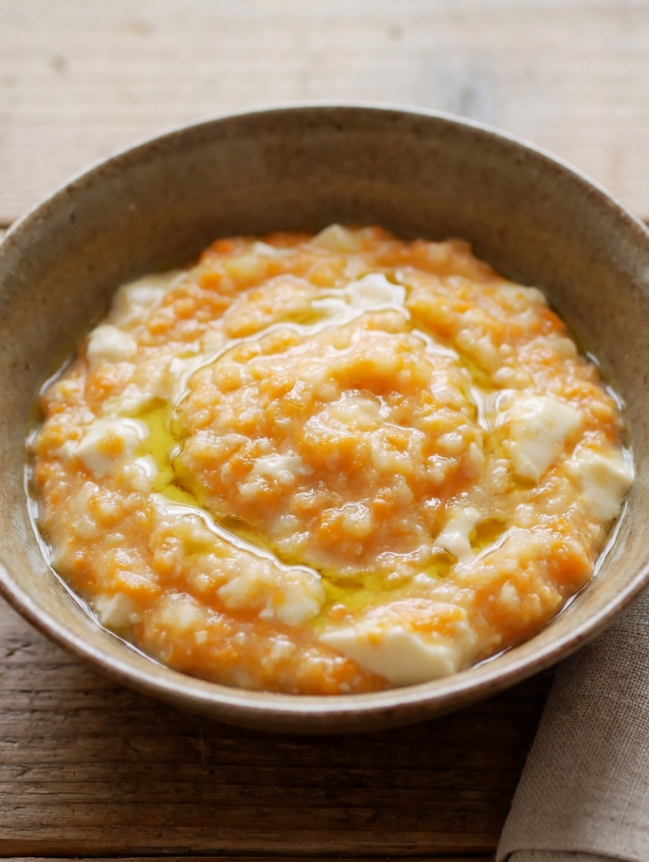
Silken tofu with mashed vegetables is a naturally soft, protein-rich dinner that requires almost no chewing. Its smooth texture and mild flavor make it an ideal meal for seniors with sensitive gums, dentures, or difficulty chewing solid foods.
Why It Works (Extended):
Silken tofu has a custard-like consistency that is easy to swallow and gentle on the mouth, even without teeth. When paired with well-mashed vegetables, the entire dish becomes smooth and cohesive, reducing chewing effort and making mealtime safer and more comfortable.
From a nutrition standpoint, silken tofu provides high-quality plant-based protein and essential minerals while remaining easy to digest. Adding mashed vegetables increases fiber and vitamins without introducing tough textures, creating a balanced, nourishing dinner suited to senior needs.
Ingredients
- ½ cup silken tofu
- ½ cup mashed vegetables (potato, carrot, or pumpkin)
Step-by-Step Instructions
- Gently warm tofu in a pan or microwave.
- Mash vegetables until smooth.
- Combine tofu and vegetables and mix gently.
- Adjust texture with warm water or broth if needed.
- Drizzle ½–1 teaspoon olive oil on top just before serving for extra softness and easier swallowing.
- Serve warm.
7. Creamy Split Pea Stew (Fully Softened)
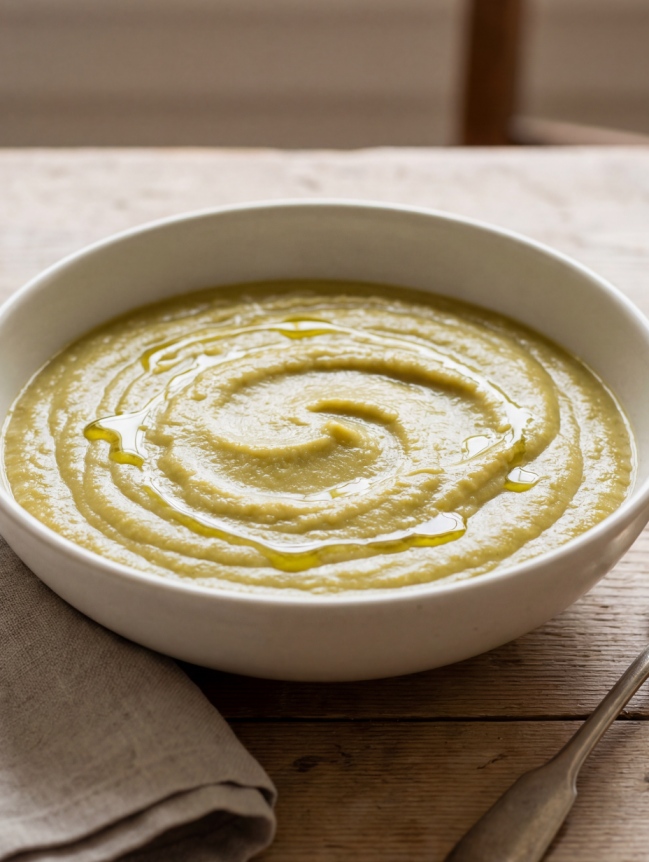
Creamy split pea stew is a thick, smooth, and comforting dinner that becomes naturally soft when slow-cooked. Its velvety texture makes it easy to eat and satisfying without requiring chewing.
Why It Works:
Split peas break down completely when cooked for a longer time, creating a creamy consistency that is gentle on the mouth and easy to swallow. This reduces jaw strain and lowers the risk of choking for seniors with chewing difficulties.
Nutritionally, split peas provide plant-based protein and fiber in a form that’s easy to digest. When blended or lightly mashed, the stew offers warmth, fullness, and nourishment without discomfort.
Ingredients
- ½ cup split peas (washed and soaked for 1–2 hours, optional but recommended)
- 2½ cups water or vegetable broth
- 1 small carrot, peeled and very finely chopped
- 1 teaspoon olive oil
- Pinch of salt (optional)
Step-by-Step Instructions
- Rinse the split peas thoroughly under running water.
- Add split peas, water or vegetable broth, and carrot to a pot.
- Bring to a gentle boil, then reduce heat to low.
- Cover and simmer for 40–45 minutes, stirring occasionally, until split peas completely break down and become very soft.
- If the stew thickens too much, add warm water a little at a time to maintain a creamy consistency.
- Mash thoroughly with a spoon or blend lightly until smooth and lump-free.
- Stir in olive oil for moisture and easier swallowing.
- Allow to cool slightly and serve warm.
8. Blended Chickpea Curry (Mild)

Short Description:
Blended chickpea curry is a smooth, mild, and protein-rich dinner made by fully cooking and blending chickpeas into a creamy consistency. It delivers comfort and nutrition without chewing effort.
Why It Works:
Chickpeas soften significantly when pressure-cooked and blended, removing their naturally firm texture. This makes the dish safe and comfortable for seniors with sensitive gums or dentures.
Chickpeas are rich in protein and slow-digesting carbohydrates, helping support energy and muscle health. Mild seasoning keeps the dish soothing while still flavorful and satisfying.
Ingredients
- ½ cup cooked chickpeas (pressure-cooked until very soft)
- 1 cup water or vegetable broth
- 1 tablespoon olive oil
- Pinch of turmeric or cumin (optional)
- Salt to taste (optional)
Step-by-Step Instructions
- Add cooked chickpeas and liquid to a pot.
- Simmer on low heat for 10 minutes.
- Blend until smooth and creamy.
- Add olive oil and mild seasoning if desired.
- Warm gently and serve with soft rice or alone.
- Drizzle ½–1 teaspoon olive oil on top just before serving for extra softness and easier swallowing.
9. Soft Pumpkin & Lentil Mash
Short Description:
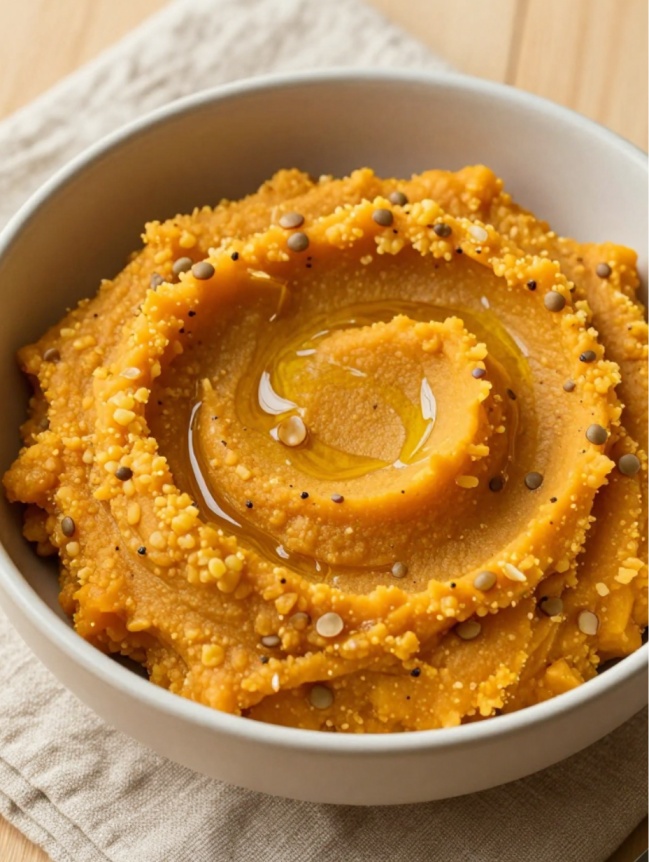
Soft pumpkin and lentil mash is a naturally sweet, smooth, and easy-to-eat dinner that blends vegetables and lentils into a gentle, creamy meal.
Why It Works:
Pumpkin becomes very soft when cooked and blends easily with lentils, creating a lump-free texture that requires minimal chewing. Its moisture helps ease swallowing and prevents dryness in the mouth.
This dish provides a balance of carbohydrates, fiber, and plant-based protein. Its mild flavor and warm texture make it calming, nourishing, and ideal for evening meals.
Ingredients
- ½ cup pumpkin or squash, peeled and cubed
- ¼ cup red lentils
- 2 cups water
- 1 teaspoon olive oil
Step-by-Step Instructions
- Add pumpkin, lentils, and water to a pot.
- Cook on low heat for 25–30 minutes until everything is very soft.
- Mash thoroughly or blend lightly.
- Add olive oil for smoothness.
- Drizzle ½–1 teaspoon olive oil on top just before serving for extra softness and easier swallowing.
- Serve warm.
10. Creamy Rice & Vegetable Congee-Style Bowl
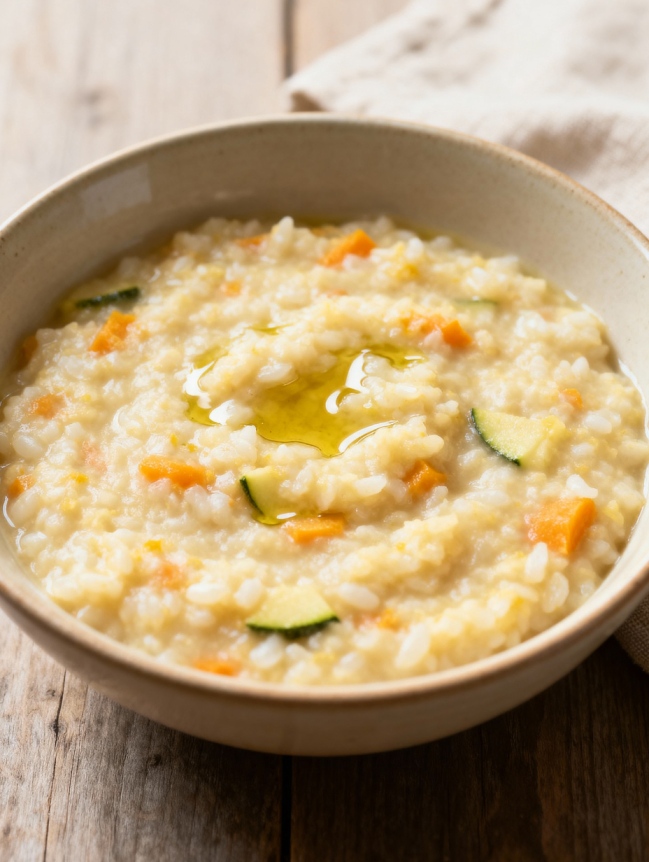
Short Description:
This rice and vegetable congee-style bowl is cooked until porridge-like, creating a smooth, soothing dinner that is easy to swallow and gentle on the digestive system.
Why It Works:
Rice breaks down fully when cooked with extra water, forming a soft consistency that moves easily through the mouth and throat. Finely cooked vegetables blend seamlessly into the dish, eliminating tough textures.
Congee-style meals are easy to customize for texture and thickness. They provide hydration, steady energy, and comfort, making them especially suitable for seniors with low appetite or chewing issues.
Ingredients
- ¼ cup white rice
- 3 cups water
- ¼ cup finely chopped vegetables (carrot, zucchini, pumpkin)
- Pinch of salt (optional)
Step-by-Step Instructions
- Rinse rice thoroughly.
- Add rice, vegetables, and water to a pot.
- Cook on low heat for 35–40 minutes, stirring often.
- Rice should break down into a porridge-like texture.
- Drizzle ½–1 teaspoon olive oil on top just before serving for extra softness and easier swallowing.
- Mash lightly if needed and serve warm.

11. Creamy Mashed Potato & Vegetable Bowl (Plant-Based)
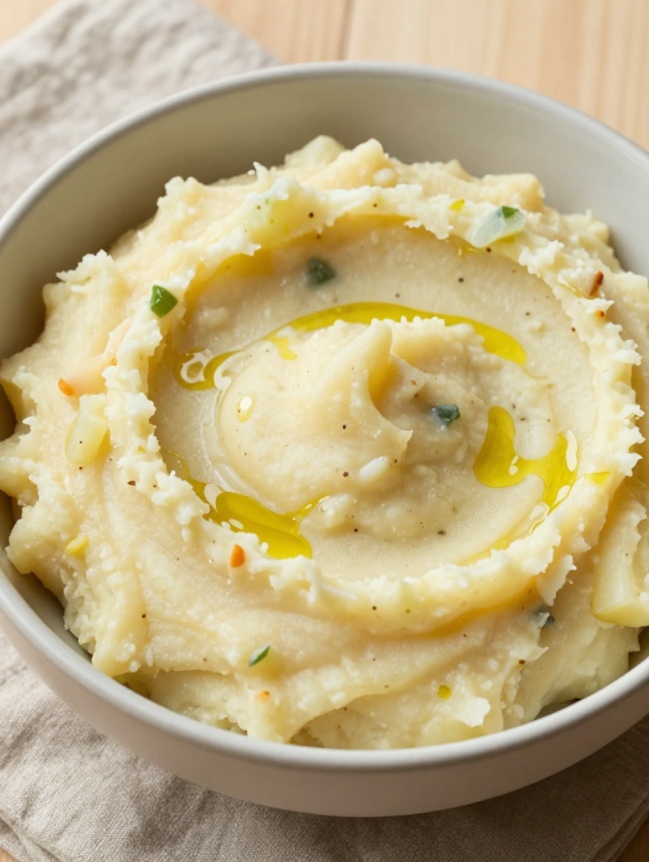
Short Description:
This creamy mashed potato and vegetable bowl is smooth, mild, and filling, offering a comforting dinner option that requires no chewing.
Why It Works:
Potatoes mash easily into a soft, lump-free texture that’s gentle on the mouth. When combined with well-cooked vegetables and plant-based fat, the dish becomes moist and easy to swallow.
Mashed potatoes provide quick energy, while vegetables add nutrients without affecting texture. This makes the meal both satisfying and senior-friendly.
Ingredients
- 1 medium potato, peeled and chopped
- ½ cup soft vegetables (carrot, pumpkin, or cauliflower)
- 1–2 teaspoons olive oil
- Warm water or plant milk (as needed)
Step-by-Step Instructions
- Boil potato and vegetables until very soft (15–20 minutes).
- Drain well and mash thoroughly.
- Add olive oil and a little warm water or plant milk.
- Mix until smooth and lump-free.
- Drizzle ½–1 teaspoon olive oil on top just before serving for extra softness and easier swallowing.
- Serve warm.
12. Creamy Rice & Vegetable Congee-Style Bowl (Plant-Based)
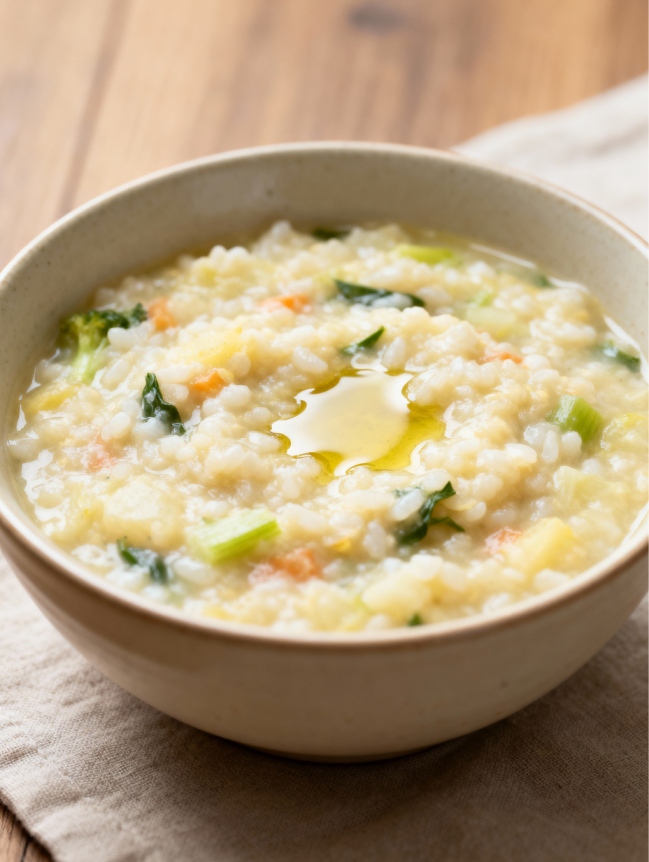
Short Description:
This creamy rice and vegetable congee-style bowl is a warm, soothing dinner that is extremely soft and easy to swallow. Cooked until porridge-like, it requires no chewing and is ideal for seniors with chewing or swallowing difficulties.
Why It Works:
Rice breaks down completely when cooked with extra water, creating a smooth, gentle texture that moves easily through the mouth and throat. Finely cooked vegetables blend seamlessly into the dish, eliminating any hard or fibrous bits.
This meal provides hydration, steady energy, and comfort in one bowl. Its mild flavor and warm temperature make it especially suitable for seniors with low appetite or sensitive digestion.
Ingredients:
- ¼ cup white rice
- 3 cups water
- ¼ cup finely chopped vegetables (carrot, pumpkin, or zucchini)
- Pinch of salt (optional)
Step-by-Step Instructions:
- Rinse the rice thoroughly.
- Add rice, vegetables, and water to a pot.
- Cook on low heat for 35–40 minutes, stirring occasionally.
- Allow the rice to break down into a porridge-like consistency.
- Mash lightly if needed and serve warm.
13. Blended Chickpea Curry (Mild & Plant-Based)
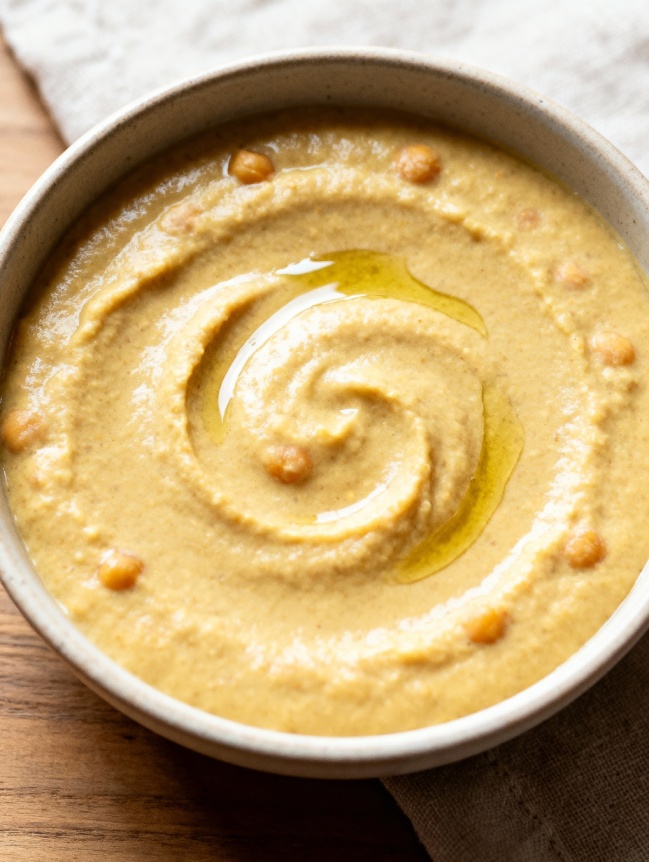
Short Description:
This blended chickpea curry is a smooth, protein-rich dinner that delivers nourishment without chewing. It is mild, creamy, and easy to swallow.
Why It Works:
Chickpeas soften significantly when pressure-cooked and blended, removing their naturally firm texture. This makes the dish safe and comfortable for seniors with dentures or jaw discomfort.
Chickpeas provide plant-based protein and energy, helping support muscle strength. Keeping the seasoning mild ensures the meal remains soothing for sensitive mouths.
Ingredients:
- ½ cup cooked chickpeas (very soft)
- 1 cup water or vegetable broth
- 1 tablespoon olive oil
- Pinch of turmeric or cumin (optional)
- Salt to taste (optional)
Step-by-Step Instructions:
- Add chickpeas and liquid to a pot and simmer for 10 minutes.
- Blend until completely smooth.
- Add olive oil and mild seasoning if desired.
- Warm gently and stir well.
- Serve warm, alone or with soft rice.
14. Creamy Carrot & Oat Soup (Plant-Based)
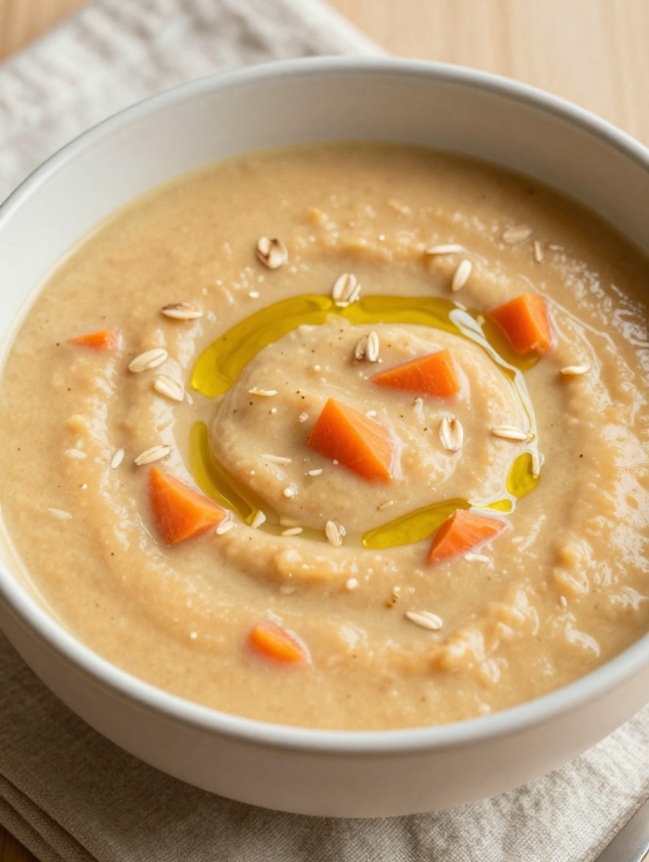
Short Description:
This creamy carrot and oat soup is smooth, lightly sweet, and soothing, making it an excellent dinner choice for seniors with chewing or swallowing difficulties.
Why It Works:
Carrots soften easily when cooked and blend into a silky texture that requires no chewing. Oats dissolve into the soup, adding thickness and nutrition without creating lumps.
This soup provides gentle fiber and slow-release energy while remaining easy to digest. Its warm, mild flavor makes it comforting and suitable for sensitive mouths.
Ingredients:
- 1 cup carrots, peeled and chopped
- 2 tablespoons rolled oats
- 2 cups water or vegetable broth
- 1 teaspoon olive oil
Step-by-Step Instructions:
- Boil carrots and oats in water or broth until very soft (20–25 minutes).
- Blend until completely smooth.
- Add olive oil and mix well.
- Reheat gently and serve warm.
15. Soft Moong Dal & Rice Mash (Plant-Based)
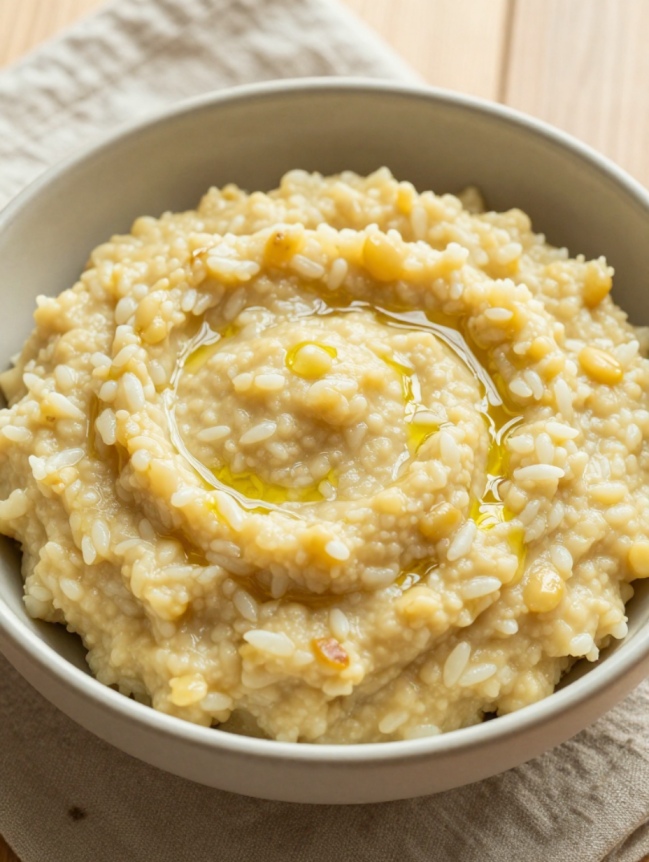
Short Description:
This soft moong dal and rice mash is a gentle, comforting dinner that is easy to chew and swallow, making it ideal for seniors with dental or jaw issues.
Why It Works:
Moong dal breaks down easily when cooked, and rice becomes soft and porridge-like. Together, they form a smooth texture that reduces chewing effort and improves swallowing safety.
The dish provides plant-based protein and steady energy while being light on digestion. Its mild taste makes it suitable for seniors with sensitive gums or reduced appetite.
Ingredients:
- ¼ cup moong dal (split yellow lentils)
- ¼ cup rice
- 2½ cups water
- 1 teaspoon olive oil
Step-by-Step Instructions:
- Wash dal and rice thoroughly.
- Cook both together in water until very soft (pressure cooker or pot).
- Mash gently to achieve a smooth consistency.
- Add olive oil and mix well.
- Serve warm.

16. Creamy Zucchini & Potato Soup (Plant-Based)
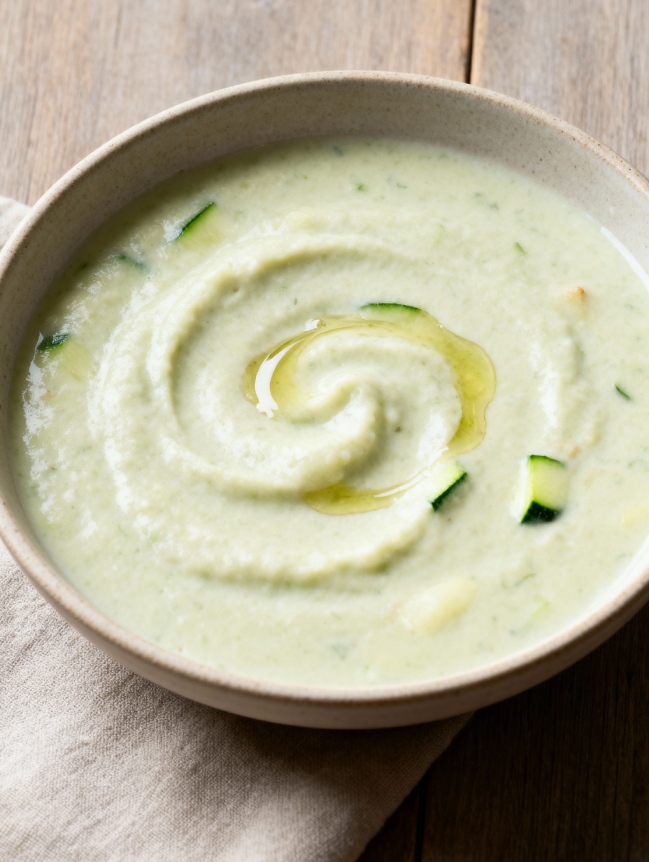
Short Description:
This creamy zucchini and potato soup is mild, smooth, and filling, offering a soft dinner that is easy to eat and comforting for seniors.
Why It Works:
Zucchini and potatoes soften completely when cooked and blend into a velvety texture that moves easily through the mouth and throat. This reduces chewing strain and swallowing discomfort.
Potatoes provide energy, while zucchini adds vitamins and hydration. The soup remains light yet satisfying, making it suitable for evening meals.
Ingredients:
- 1 medium potato, peeled and chopped
- 1 cup zucchini, peeled and chopped
- 2 cups water or vegetable broth
- 1 teaspoon olive oil
Step-by-Step Instructions:
- Boil potato and zucchini until very soft (15–20 minutes).
- Blend until smooth.
- Add olive oil and mix well.
- Warm gently and serve.
17. Soft Lentil & Vegetable Porridge (Plant-Based)
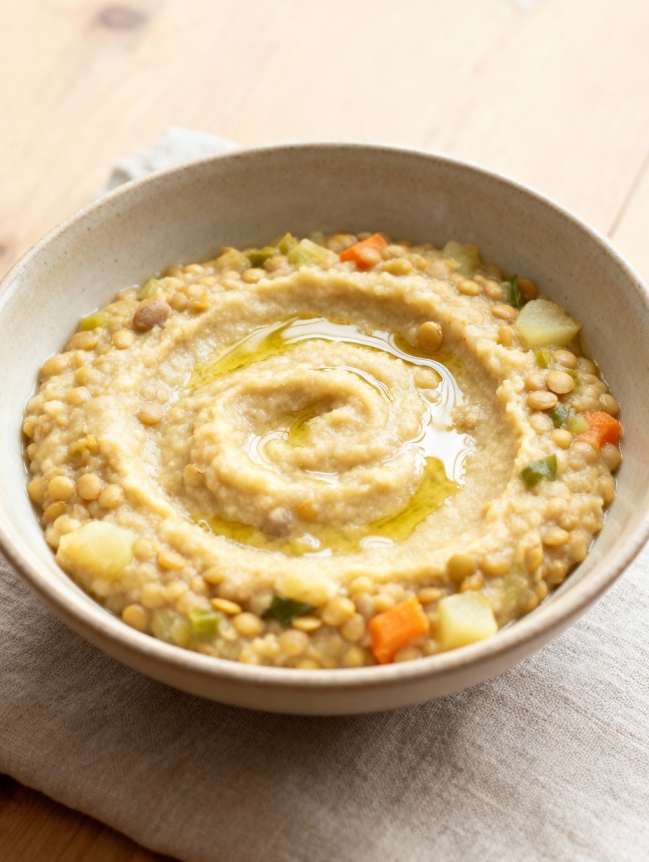
Short Description:
This soft lentil and vegetable porridge is a nourishing, one-pot dinner with a smooth texture that requires no chewing.
Why It Works:
Lentils and vegetables cook down into a thick, creamy consistency that is gentle on the mouth and easy to swallow. The porridge-style texture lowers choking risk and supports comfortable eating.
It provides protein, fiber, and hydration in a single bowl, making it ideal for seniors with low appetite or digestion concerns.
Ingredients:
- ¼ cup red lentils
- ¼ cup finely chopped vegetables (carrot, pumpkin, or zucchini)
- 2½ cups water
- 1 teaspoon olive oil
Step-by-Step Instructions:
- Add lentils, vegetables, and water to a pot.
- Cook on low heat until everything is very soft (25–30 minutes).
- Mash or blend lightly until smooth.
- Add olive oil and mix well.
- Serve warm.
18. Creamy Cauliflower & Potato Mash (Plant-Based)

Short Description:
This creamy cauliflower and potato mash is smooth, mild, and comforting, offering a soft dinner that requires no chewing and feels light yet filling.
Why It Works:
Both cauliflower and potatoes soften completely when cooked and mash into a lump-free texture that is gentle on the mouth and throat. The smooth consistency makes swallowing easy for seniors with dentures or jaw weakness.
Cauliflower adds vitamins and antioxidants, while potatoes provide energy. When combined with olive oil or plant milk, the dish becomes moist, nourishing, and senior-friendly.
Ingredients:
- 1 medium potato, peeled and chopped
- 1 cup cauliflower florets
- 1–2 teaspoons olive oil
- Warm water or plant milk (as needed)
Step-by-Step Instructions:
- Boil potato and cauliflower until very soft (15–20 minutes).
- Drain well and mash thoroughly.
- Add olive oil and warm liquid to adjust texture.
- Mix until smooth.
- Serve warm.
19. Soft Spinach & Lentil Puree (Plant-Based)
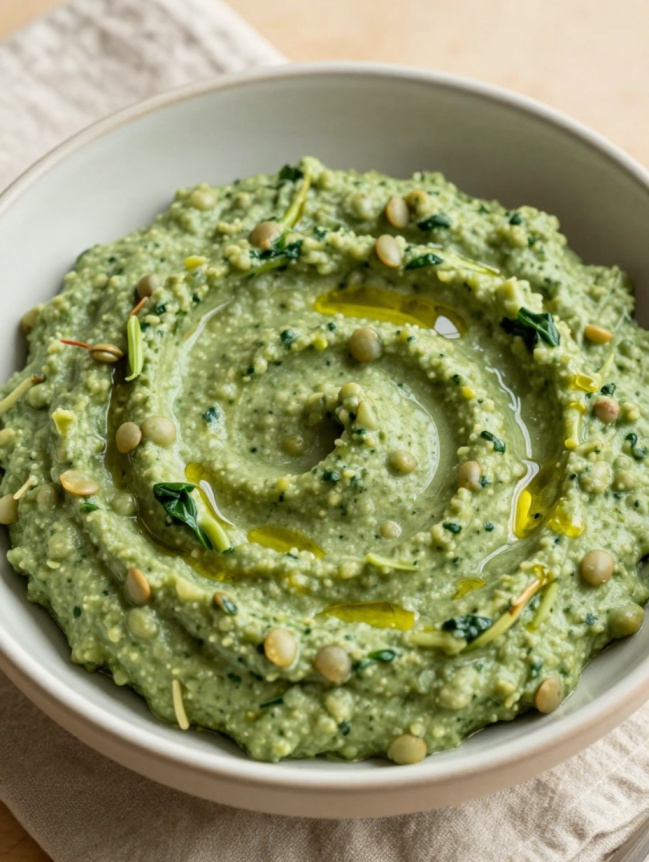
Short Description:
This soft spinach and lentil puree is a smooth, nutrient-rich dinner that’s easy to swallow and gentle on sensitive gums.
Why It Works:
Lentils break down completely when cooked, and spinach softens easily, allowing both to blend into a silky puree with no chewing required. The moist texture helps reduce throat dryness.
Spinach provides iron and antioxidants, while lentils offer plant-based protein. When blended well, this dish delivers nutrition without discomfort.
Ingredients:
- ¼ cup red lentils
- 1 cup spinach leaves
- 2 cups water
- 1 teaspoon olive oil
Step-by-Step Instructions:
- Cook lentils in water until very soft (20–25 minutes).
- Add spinach and cook for 2–3 more minutes.
- Blend until smooth.
- Add olive oil and stir well.
- Serve warm.
20. Creamy Oats & Vegetable Mash (Plant-Based)
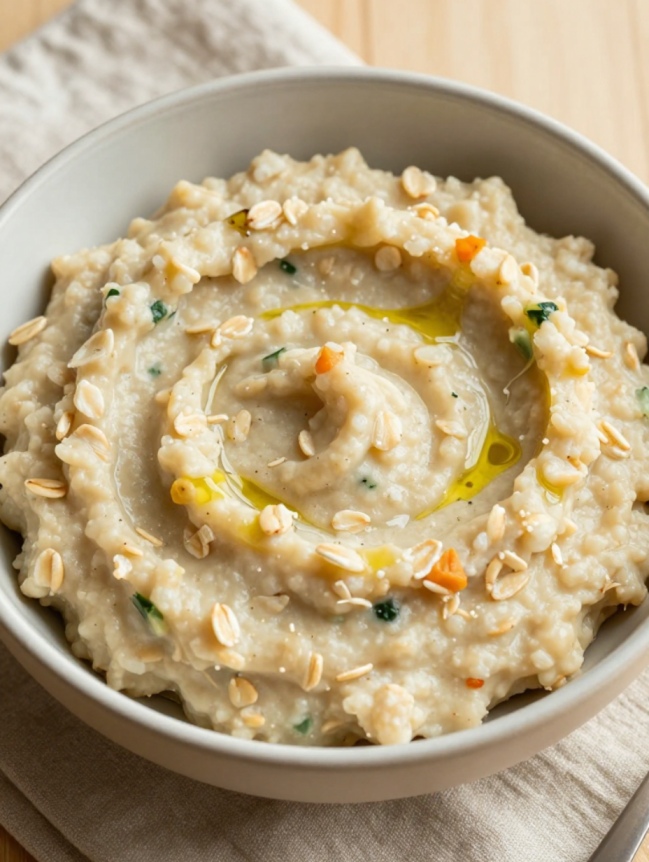
Short Description:
This creamy oats and vegetable mash is a soft, hearty dinner that feels comforting while being easy to chew and swallow.
Why It Works:
Oats soften naturally into a porridge-like texture that requires minimal effort to eat. When combined with mashed vegetables, the dish becomes smooth and cohesive.
Oats provide slow-release energy and gentle fiber, making this meal satisfying without being heavy on digestion—ideal for seniors at dinner time.
Ingredients:
- ½ cup rolled oats
- 1½ cups water or vegetable broth
- ¼ cup mashed vegetables (carrot, pumpkin, or zucchini)
- 1 teaspoon olive oil
Step-by-Step Instructions:
- Cook oats in water or broth until very soft.
- Stir in mashed vegetables.
- Add olive oil and mix thoroughly.
- Cook a few extra minutes for creaminess.
- Serve warm.

21. Soft Tomato & Rice Stew (Plant-Based)
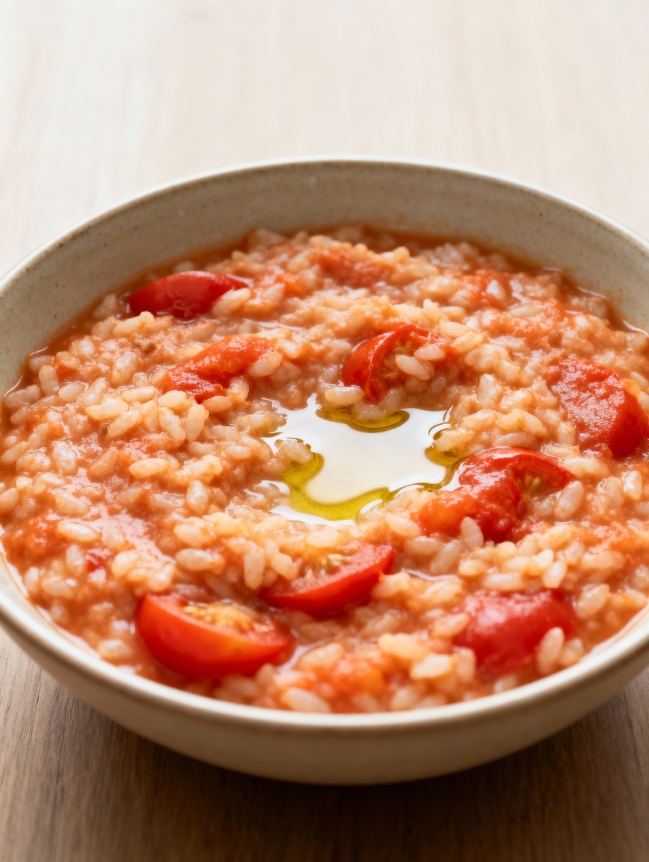
Short Description:
Soft tomato and rice stew is a gentle, comforting dinner with a smooth texture that’s easy to eat and soothing for seniors.
Why It Works:
Rice breaks down fully when cooked longer, while tomatoes soften and blend into the dish, creating a moist consistency that’s easy to swallow.
This stew provides hydration, carbohydrates, and mild flavor, making it suitable for seniors with low appetite or chewing fatigue.
Ingredients:
- ¼ cup white rice
- 1 cup chopped ripe tomatoes
- 2½ cups water
- 1 teaspoon olive oil
Step-by-Step Instructions:
- Add rice, tomatoes, and water to a pot.
- Cook on low heat until rice becomes very soft (35–40 minutes).
- Mash lightly or blend if needed.
- Add olive oil and mix well.
- Serve warm.
22. Creamy Pumpkin & Oat Porridge (Plant-Based)
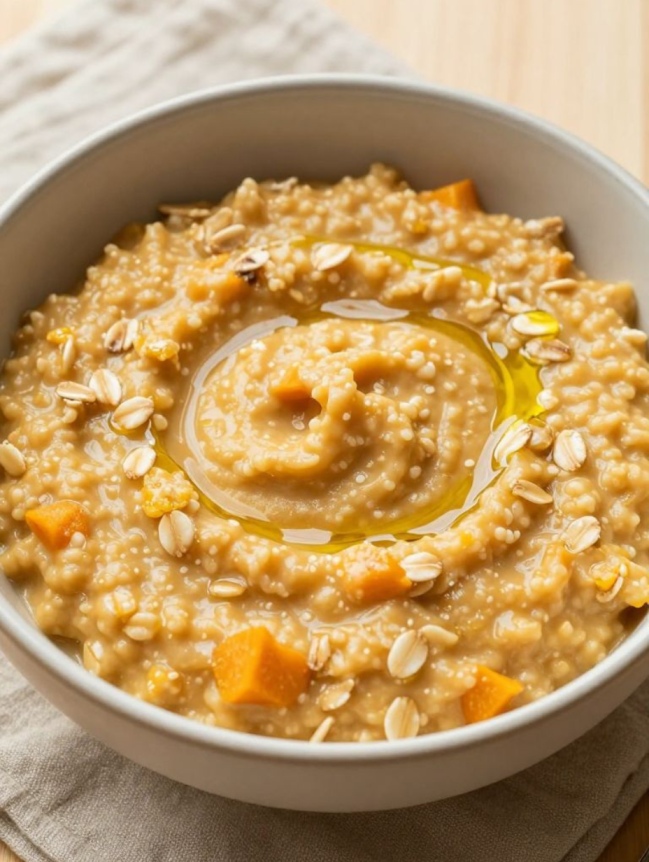
Short Description:
This creamy pumpkin and oat porridge is a naturally sweet, smooth dinner that requires no chewing and feels calming in the evening.
Why It Works:
Pumpkin softens easily and blends smoothly with oats, creating a cohesive texture that’s gentle on the mouth and throat. The warmth makes it especially soothing.
The combination provides fiber, energy, and hydration while remaining light on digestion, making it ideal for seniors before bedtime.
Ingredients:
- ½ cup pumpkin, peeled and cubed
- 2 tablespoons rolled oats
- 2 cups water
- 1 teaspoon olive oil
Step-by-Step Instructions:
- Cook pumpkin and oats in water until very soft.
- Blend or mash until smooth.
- Add olive oil and stir well.
- Reheat gently if needed.
- Serve warm.
23. Creamy Bottle Gourd (Lauki) & Lentil Mash (Plant-Based)

Short Description:
This creamy bottle gourd and lentil mash is light, soothing, and extremely soft, making it an excellent dinner option for seniors with chewing or digestion issues.
Why It Works:
Bottle gourd softens very quickly when cooked and blends into a smooth, watery texture that’s easy to swallow. When combined with well-cooked lentils, the dish becomes creamy without any graininess.
This meal is gentle on digestion, hydrating, and low in heaviness, making it ideal for seniors who feel bloated or tired in the evening.
Ingredients:
- 1 cup bottle gourd, peeled and chopped
- ¼ cup red lentils
- 2 cups water
- 1 teaspoon olive oil
Step-by-Step Instructions:
- Add bottle gourd, lentils, and water to a pot.
- Cook on low heat until everything is very soft (25–30 minutes).
- Mash thoroughly or blend until smooth.
- Add olive oil and mix well.
- Serve warm.
24. Soft Banana & Oat Savory Mash (Plant-Based)
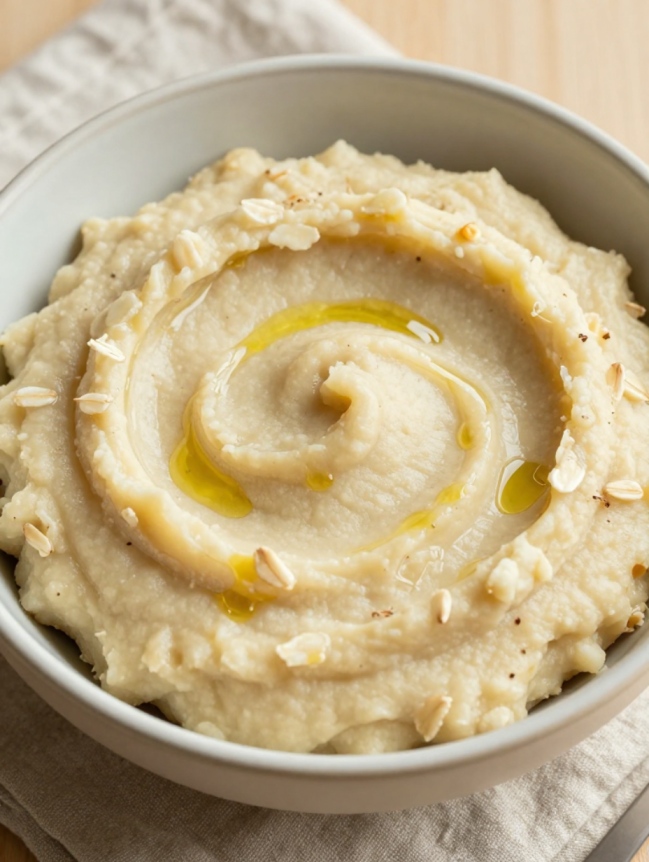
Short Description:
This soft banana and oat savory mash is mild, smooth, and easy to eat, offering a comforting dinner for seniors with chewing fatigue.
Why It Works:
Ripe bananas mash effortlessly and blend well with oats, creating a smooth, cohesive texture that requires no chewing. The natural softness helps reduce mouth strain.
Bananas provide gentle energy and potassium, while oats add fullness and fiber, making this dish nourishing yet easy on digestion.
Ingredients:
- 1 ripe banana
- 2 tablespoons rolled oats
- 1 cup water
- Pinch of salt (optional)
Step-by-Step Instructions:
- Cook oats in water until very soft.
- Mash banana separately until smooth.
- Combine banana with oats and mix well.
- Cook for 2–3 more minutes.
- Serve warm.
25. Creamy Beetroot & Potato Mash (Plant-Based)
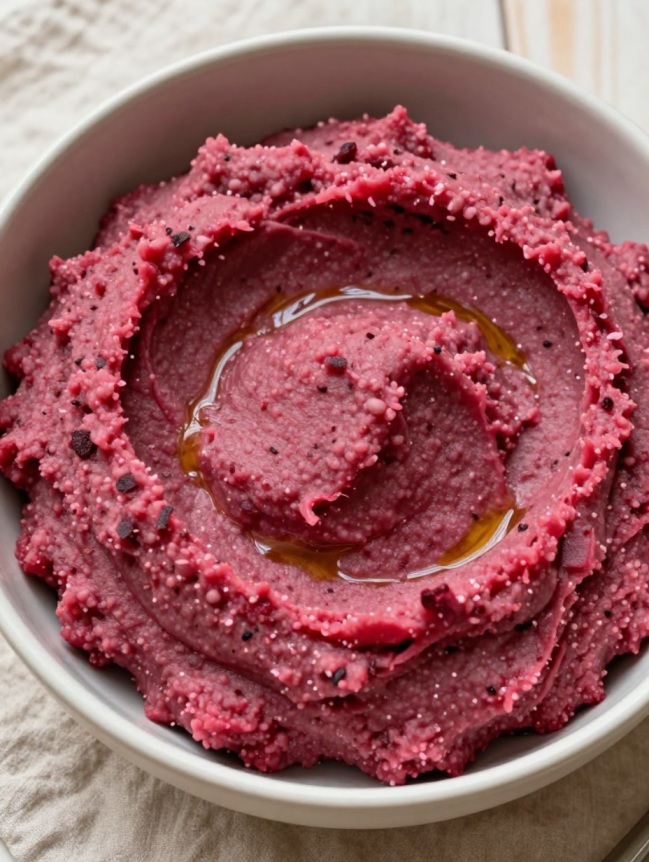
Short Description:
This creamy beetroot and potato mash is smooth, mildly sweet, and soft, providing a colorful and nourishing dinner option for seniors.
Why It Works:
Beetroot becomes very tender when cooked and blends easily with mashed potatoes, creating a lump-free texture. The moisture helps with easy swallowing.
Beetroot adds antioxidants and gentle fiber, while potatoes supply energy—together forming a satisfying, senior-friendly meal.
Ingredients:
- 1 small beetroot, peeled and chopped
- 1 medium potato, peeled and chopped
- 1–2 teaspoons olive oil
- Warm water as needed
Step-by-Step Instructions:
- Boil beetroot and potato until very soft (20–25 minutes).
- Drain well and mash thoroughly.
- Add olive oil and warm water to adjust texture.
- Mix until smooth.
- Serve warm.
26. Soft Millet & Vegetable Porridge (Plant-Based)

Short Description:
This soft millet and vegetable porridge is a gentle, nourishing dinner that’s easy to chew and swallow.
Why It Works:
Millets soften significantly when cooked with extra water and become porridge-like. When vegetables are finely chopped and fully cooked, they blend seamlessly into the dish.
This porridge provides fiber, minerals, and slow-release energy while remaining light on the stomach—ideal for seniors at dinner time.
Ingredients:
- ¼ cup millet (well-washed)
- ¼ cup finely chopped vegetables
- 3 cups water
- 1 teaspoon olive oil
Step-by-Step Instructions:
- Add millet, vegetables, and water to a pot.
- Cook on low heat for 35–40 minutes until very soft.
- Mash lightly or blend if needed.
- Add olive oil and stir well.
- Serve warm.
27. Creamy Apple & Oat Dinner Porridge (Plant-Based)
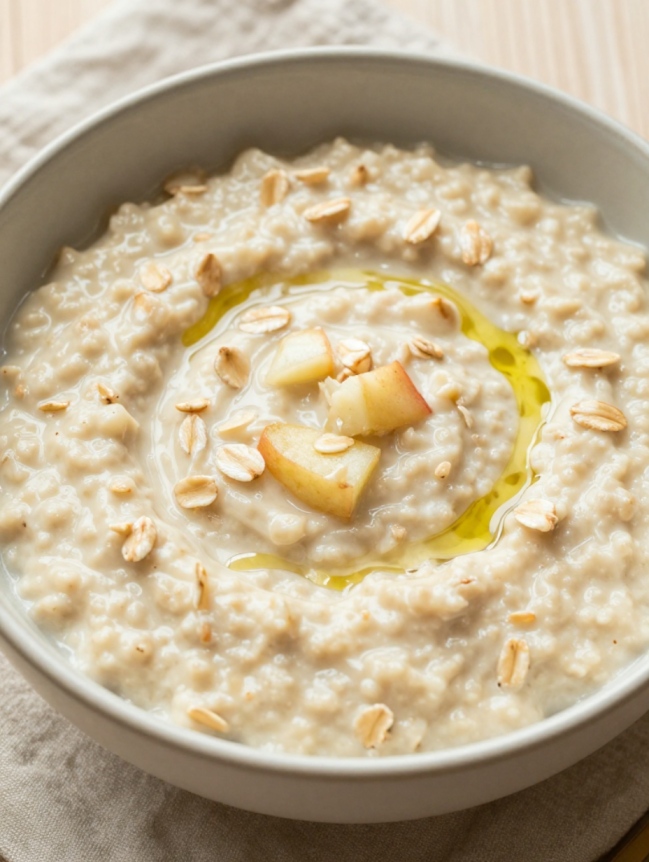
Short Description:
This creamy apple and oat dinner porridge is soft, mildly sweet, and soothing—perfect for seniors who prefer gentle flavors in the evening.
Why It Works:
Apples soften completely when cooked and blend smoothly with oats, creating a thick, easy-to-swallow texture. The warmth makes it calming for the mouth and throat.
This dish offers natural sweetness, fiber, and hydration without heaviness, making it suitable for seniors with low appetite or chewing discomfort.
Ingredients:
- 1 apple, peeled and chopped
- 2 tablespoons rolled oats
- 2 cups water
- 1 teaspoon olive oil
Step-by-Step Instructions:
- Cook apple and oats in water until very soft.
- Mash or blend until smooth.
- Add olive oil and mix gently.
- Reheat if needed.
- Serve warm.
5. Easy Modifications to Make Any Dinner Softer
Even meals that don’t start out as soft can usually be adjusted to suit chewing needs. With a few simple changes, most dinners can become easier to chew, safer to swallow, and more comfortable to eat—without losing flavor or nutrition.
1. Cook Foods Longer Than Usual
Extending cooking time is one of the easiest ways to soften food. Vegetables, grains, and legumes become much gentler when simmered slowly or pressure-cooked until very tender. If something still feels firm, let it cook a little longer.
2. Use a Pressure Cooker or Slow Cooker
Pressure cookers and slow cookers break down fibers naturally, making foods extremely soft without extra effort. Lentils, beans, rice, and vegetables all become easier to chew and digest with these methods.
3. Add Moisture Generously
Dry foods are harder to chew and swallow. Adding warm vegetable broth, water, plant milk, or light sauces can instantly soften a dish. Moist meals move more easily in the mouth and reduce throat irritation.
4. Mash, Chop, or Blend as Needed
If chewing is difficult, don’t hesitate to mash food with a fork or blend it lightly. Many meals can be adjusted to a smooth or semi-smooth texture depending on comfort level. Texture can always be customized.
5. Peel Skins and Remove Tough Parts
Vegetable skins, seeds, and fibrous parts can make food harder to manage. Peeling vegetables and removing tough stems helps create a smoother, safer texture for seniors.
6. Serve Foods Warm
Warm foods are usually easier to chew and swallow than cold foods. Warmth helps relax mouth and throat muscles and can make meals feel more soothing and comfortable.
7. Choose Naturally Soft Ingredients
Some plant-based foods soften more easily than others. Lentils, oats, rice, tofu, pumpkin, squash, potatoes, and well-cooked vegetables are naturally senior-friendly and easier to modify.
8. Gentle Reminder
There is no single “perfect” texture. What matters most is comfort and safety. Meals can always be adjusted to suit individual needs—and it’s okay if the texture changes from day to day.
6. Foods Seniors With Chewing Problems Should Avoid

When chewing becomes difficult, certain foods can cause discomfort, increase choking risk, or irritate the mouth and throat. Avoiding or modifying these foods can make dinnertime safer and more enjoyable for seniors.
1. Raw and Crunchy Vegetables
Raw vegetables like carrots, celery, salads, and cabbage require strong chewing and can be hard to manage with dentures or sensitive gums. These foods are best avoided unless they are well-cooked and softened.
2. Hard or Crusty Breads
Baguettes, pizza crusts, toast, and hard rolls can be difficult to chew and may break into sharp or dry pieces that are hard to swallow. Soft breads are safer only when moistened with soup or sauce.
3. Nuts, Seeds, and Granola
Nuts and seeds are small, hard, and require significant chewing. They can easily become choking hazards for seniors with chewing or swallowing difficulties and should be avoided in dinners.
4. Dry or Crumbly Foods
Dry rice, crackers, biscuits, and crumbly foods can stick in the throat or scatter in the mouth, making swallowing uncomfortable and unsafe. Moist alternatives are always better.
5. Sticky Foods
Foods that cling to teeth or dentures—such as thick nut butters, sticky rice, or chewy desserts—can be uncomfortable and difficult to clear from the mouth.
6. Fried or Very Chewy Foods
Fried foods often have tough outer layers that are hard to chew, even if the inside is soft. Chewy textures increase jaw strain and can cause fatigue during meals.
7. Very Spicy or Highly Acidic Foods
Strong spices, chilies, vinegar-heavy dishes, and citrus-heavy meals can irritate sensitive gums and the throat. Mild seasoning is gentler and more senior-friendly.
8. Helpful Note
Many foods don’t need to be completely eliminated—just prepared differently. Cooking longer, blending, or adding moisture can turn unsafe foods into comfortable, soft options.
7. Nutrition Tips for Soft, Plant-Based Senior Dinners
Soft food dinners should do more than feel easy to eat—they should also provide the nutrition seniors need to stay strong, energized, and healthy. With thoughtful choices, plant-based meals can meet these needs while remaining gentle on the mouth and digestion.
1. Focus on Plant-Based Protein
Protein is essential for maintaining muscle strength, balance, and recovery. Soft, plant-based protein sources like lentils, split peas, beans (well-cooked and mashed), tofu, and soft grains are excellent options. Blending or mashing these foods makes them easier to chew while preserving their nutritional value.
2. Include Healthy Fats for Energy
Healthy fats add calories and help prevent unintentional weight loss in seniors. Olive oil, avocado (mashed), and small amounts of plant-based oils can be added to soft meals for richness and better nutrient absorption.
3. Choose Well-Cooked Fiber
Fiber supports digestion, but raw or rough fiber can be uncomfortable. Seniors should focus on well-cooked vegetables, peeled produce, and blended soups to get fiber without bloating or irritation.
4. Balance Meals for Steady Energy
A balanced soft dinner should include carbohydrates for energy, protein for strength, and fats for fullness. Soft rice, oats, quinoa, or potatoes paired with plant proteins and vegetables help create satisfying meals that won’t strain digestion.
5. Support Hydration During Meals
Chewing problems often come with dry mouth. Sipping warm water or herbal tea during meals can make swallowing easier and reduce discomfort. Moist meals also contribute to hydration.
6. Watch Sodium and Added Sugars
Too much salt or sugar can affect blood pressure and overall health. Gentle seasoning with herbs and natural flavors keeps meals enjoyable without overwhelming sensitive taste buds.
7. Gentle Reminder
Every senior’s needs are different. Portions, textures, and ingredients can be adjusted to suit comfort levels while still meeting nutritional goals.
8. Frequently Asked Questions
1. Can seniors eat soft foods every day?
Yes. Many seniors rely on soft foods daily due to dental or chewing issues. As long as meals are balanced and provide enough protein, fiber, healthy fats, and calories, soft foods can support long-term health without any problem.
2. Are plant-based soft dinners nutritious enough for seniors?
Absolutely. Well-planned plant-based meals made with lentils, beans, tofu, grains, vegetables, and healthy fats can provide all the essential nutrients seniors need. Cooking foods well and adjusting textures helps maintain nutrition while making meals easier to eat.
3. Should soft dinners be fully blended or just mashed?
This depends on individual comfort. Some seniors prefer lightly mashed foods, while others need fully blended meals. There is no “right” texture—what matters most is ease of chewing, safe swallowing, and enjoyment.
4. How can flavor be improved without making food hard to chew?
Flavor can be enhanced using gentle herbs, mild spices, and natural ingredients like onions, garlic, and vegetables that are well-cooked or blended. Adding a little olive oil or plant-based sauce also improves taste and texture.
5. What if a senior has both chewing and swallowing difficulties?
In such cases, smoother textures are safer. Foods should be moist, lump-free, and served warm. It may also help to consult a healthcare provider or speech therapist for personalized guidance.
6. Can caregivers use these recipes for seniors with dentures?
Yes. These recipes are designed with dentures in mind. Soft textures, moisture, and gentle ingredients help reduce discomfort and make meals easier to manage with dentures.
Conclusion
Chewing problems don’t have to take the joy out of dinner. With the right soft food dinner recipes, seniors can continue to enjoy meals that are comforting, nourishing, and easy to eat—without pain, stress, or fear of choking. Small changes in texture and preparation can make a meaningful difference in daily comfort and overall well-being.
Animal-cruelty-free, plant-based ingredients naturally lend themselves to soft cooking methods and gentle digestion. When prepared thoughtfully, these foods can provide the protein, energy, and nutrients seniors need, while also supporting a compassionate way of eating that’s kind to both the body and animals.
Every senior’s needs are unique, and it’s perfectly okay to adjust textures, portions, and flavors to suit what feels best. Whether meals are mashed, blended, or simply cooked longer, the goal is comfort, safety, and enjoyment at the table.
With patience, care, and the right recipes, dinner can once again become a peaceful and satisfying part of the day—something to look forward to, rather than avoid.
