Published for health-conscious adults 55+ and their caregivers | Reading time: 12–14 minutes
Picture this: you pick up the morning newspaper, and the words seem just a little blurrier than they were last year. You reach for the menu at your favorite restaurant and hold it farther away than you used to. At night, the headlights of oncoming cars seem harsher, the street signs a little harder to read. Sound familiar?
If you are over 60, chances are you have noticed at least one of these changes. Vision decline is one of the most quietly frustrating parts of getting older — and one of the most feared. Studies consistently show that seniors rank losing their eyesight above almost every other health concern, including heart disease and memory loss.
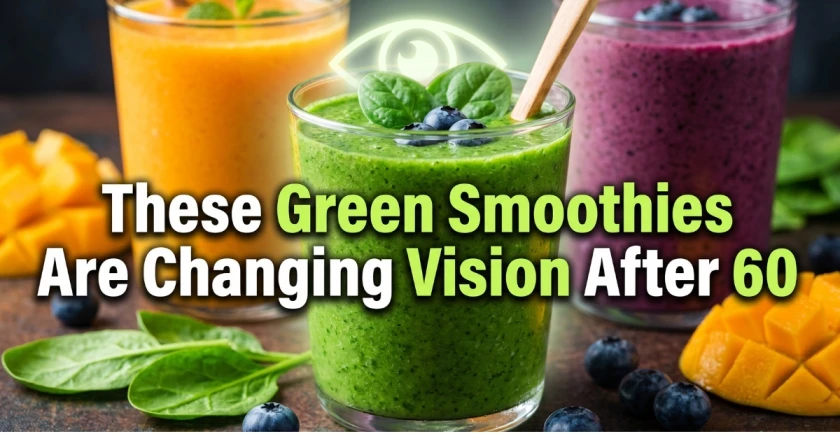
But here is something many people do not know: what you eat plays a measurable, scientifically validated role in how well your eyes hold up as you age. And right now, thousands of seniors across the country are discovering that the simplest habit — blending a daily green smoothies for better vision — is one of the most powerful nutritional steps they can take for their eye health.
In this article, you will learn exactly why vision declines after 60, which eye conditions nutrition can help, what the science says, which ingredients to use, seven ready-to-blend recipes, a four-week beginner plan, and the safety considerations every senior should know before starting. By the end, you will have everything you need to make one smart, delicious change to your morning routine.
What Happens to Your Eyes as You Age?

Vision loss after 60 is far more common than most people realize. According to the Centers for Disease Control and Prevention, more than 21 million Americans are currently living with age-related eye disease — and millions more are in the early stages without knowing it.
As we age, several natural changes occur in the eye that can gradually affect how well we see:
The lens stiffens. This is called presbyopia, and it is why most people over 45 find themselves holding their phone at arm’s length just to read a text message. The lens loses its flexibility and can no longer shift focus as easily between near and far objects.
The pupil shrinks. Older pupils do not open as wide in low light, which means less light reaches the retina. This is why driving at night becomes more difficult — the eyes simply cannot gather enough light to form a sharp image.
Dark adaptation slows down. That adjustment period when you walk from a bright room into a dark one? It takes significantly longer after 60, leaving seniors more vulnerable to falls and disorientation in dim environments.
Contrast sensitivity decreases. The ability to distinguish between objects of similar color or shade declines with age. Steps on a staircase, curbs on a sidewalk, and food on a white plate can all become harder to see clearly.
The good news in all of this is that genetics are only part of the story. Nutrition, specifically the antioxidants, carotenoids, and healthy fats that flow through your blood to nourish your eyes, is one of the very few factors within your control. That is precisely where green smoothies for better vision come into the picture.
The Eye Conditions Most Seniors Deal With — and How Diet Plays a Role

Understanding which conditions affect your eyes helps you choose the right ingredients for your smoothies. Here are the six most common age-related eye conditions and the nutritional connection behind each one.
Age-Related Macular Degeneration (AMD) is the leading cause of vision loss in adults over 60 in the United States. It affects the macula — the small central portion of the retina responsible for sharp, detailed vision. Low levels of lutein and zeaxanthin in the diet are directly linked to higher AMD risk. Research shows that people with the highest dietary intake of these two carotenoids have up to a 43 percent lower risk of developing advanced AMD.
Cataracts occur when the natural lens of the eye becomes cloudy due to oxidative damage over decades. Vitamins C and E are the primary antioxidants that protect the lens proteins from this kind of damage. Studies show that people with high vitamin C intake have significantly lower rates of cataract progression.
Glaucoma is caused by elevated pressure inside the eye that damages the optic nerve over time. While it is not curable through diet alone, antioxidant-rich foods and omega-3 fatty acids help support optic nerve health and reduce overall ocular inflammation.
Dry Eye Syndrome is one of the most common complaints among seniors and is strongly linked to omega-3 fatty acid deficiency. These healthy fats are essential for maintaining a stable, lubricating tear film. Without enough omega-3s, the tear film breaks down quickly, leaving eyes feeling scratchy, irritated, and fatigued.
Diabetic Retinopathy affects seniors with Type 2 diabetes and is caused by damaged blood vessels in the retina. A diet rich in antioxidants and low in refined sugar helps manage the blood sugar spikes and oxidative stress that drive this condition forward.
Night Blindness is closely tied to vitamin A deficiency. The retina requires vitamin A to produce rhodopsin, the pigment that allows the eye to function in low light. Increasing dietary beta-carotene — which the body converts to vitamin A — can meaningfully support night vision.
Every single one of these conditions has a nutritional component. And the remarkable thing about green smoothies is that one well-designed blend can address several of these at the same time.
What the Research Says About Green Smoothies and Vision

The science here is not speculative. Decades of clinical research have established clear connections between specific nutrients and eye health outcomes. Here is a plain-English breakdown of what the evidence says.
Lutein and zeaxanthin are carotenoids that concentrate in the macula and lens of the eye. They function essentially as internal sunglasses, filtering out harmful high-energy blue light before it can damage the delicate photoreceptor cells underneath. A landmark 2025 randomized controlled trial published in Frontiers in Nutrition found that participants consuming 10mg of lutein and 2mg of zeaxanthin daily showed significant improvements in tear film stability, light recovery time, and overall eye comfort compared to a placebo group. The human body cannot make these compounds. They must come from food — and dark leafy greens are the richest source on the planet.
Beta-carotene and vitamin A are essential for producing rhodopsin, the photosensitive pigment in rod cells that enables vision in low light. Carrots, mangoes, and sweet potatoes are excellent sources of beta-carotene, which converts to vitamin A as needed.
Vitamin C is present in higher concentrations inside the eye than almost anywhere else in the body. It protects both the lens and the aqueous humor (the fluid inside the eye) from oxidative damage, and multiple large studies have linked high dietary vitamin C with slower cataract progression.
Vitamin E protects the fatty membranes of photoreceptor cells from oxidative breakdown. It works synergistically with vitamin C — the two antioxidants essentially recharge each other in the body.
Omega-3 fatty acids, particularly DHA, are structural components of the retinal cell membranes. They also reduce the chronic inflammation that underlies dry eye and macular degeneration. Ground flaxseed and chia seeds provide ALA, a plant-based omega-3 that the body partially converts to DHA.
Anthocyanins — the dark pigments in blueberries, blackberries, and goji berries — improve microcirculation to the optic nerve and retina, reduce oxidative stress in retinal cells, and support visual adaptation in low-light conditions.
One critically important note: lutein, zeaxanthin, vitamin A, and vitamin E are all fat-soluble. This means the body absorbs them dramatically better when they are consumed alongside a source of healthy fat. Blending spinach with avocado, flaxseed, or nut-based milk is not just a taste preference — it is a nutritional necessity that makes the difference between absorbing these eye nutrients and simply passing them through.
Stock Your Kitchen With These 12 Eye-Health Powerhouses

Before blending anything, make sure your kitchen is stocked with these evidence-backed ingredients. Each one earns its place in your smoothie with hard nutritional data.
1. Spinach — The single richest source of lutein among commonly available vegetables. One cup of raw spinach provides around 3mg of lutein, and its mild flavor makes it almost undetectable when blended with fruit.
2. Kale — One cup of cooked kale delivers an extraordinary 23.7mg of lutein and zeaxanthin — more than double the optimal daily intake for eye protection. Raw kale works well in smoothies and has a slightly earthier taste that blends well with mango or pineapple.
3. Blueberries — Packed with anthocyanins that protect retinal cells from oxidative damage and support blood flow to the optic nerve. They also add natural sweetness that makes green smoothies more palatable for skeptical seniors.
4. Carrots — One of the best food sources of beta-carotene, which converts to vitamin A in the body and is essential for night vision and retinal health. Baby carrots blend smoothly and add natural sweetness.
5. Avocado — The healthy monounsaturated fat in avocado is the single most effective way to boost the absorption of the fat-soluble eye nutrients in your smoothie. Half an avocado also adds a luxuriously creamy texture.
6. Goji Berries — Ounce for ounce, goji berries are one of the most zeaxanthin-dense foods on earth. They have been used in traditional medicine for eye support for centuries, and modern research confirms their impressive antioxidant profile.
7. Yellow or Orange Bell Pepper — Surprising but true: bell peppers contain more vitamin C per serving than oranges. One cup of chopped yellow bell pepper delivers over 340mg of vitamin C — more than three times the recommended daily intake.
8. Mango — Rich in vitamin A and beta-carotene, with a naturally sweet flavor that masks the bitterness of leafy greens for seniors who are new to green smoothies. Frozen mango makes the smoothie thicker and colder.
9. Ground Flaxseed — One tablespoon delivers a meaningful dose of ALA omega-3 fatty acids, supporting tear film production and reducing eye inflammation. Always use ground (not whole) flaxseed for maximum absorption.
10. Chia Seeds — Provide omega-3 fatty acids and zinc, which helps vitamin A create protective pigment in the retina. Chia seeds also thicken the smoothie naturally, making it more filling and satisfying.
11. Turmeric — Curcumin, the active compound in turmeric, has demonstrated powerful anti-inflammatory effects on ocular blood vessels and has shown early promise in research related to AMD and glaucoma. Add a small pinch — a little goes a long way.
12. Almond Milk or Coconut Milk — Unsweetened nut-based milks serve as the liquid base for absorption of fat-soluble nutrients. They are lower in sugar than fruit juice and gentler on blood sugar than dairy milk for most seniors.
7 Green Smoothies for Better Vision — One for Every Day of the Week

Here are seven complete recipes, each targeting a specific eye health concern. Rotate through all seven across a week for the broadest nutritional coverage.
Monday — The Macula Protector

Best for: AMD, macular degeneration, overall macular health
- 1 large handful of fresh spinach (about 1.5 cups)
- ½ cup frozen blueberries
- ½ ripe avocado
- 1 tablespoon ground flaxseed
- 1 cup unsweetened almond milk
- Optional: 1 teaspoon goji berries
Blend until completely smooth. Add a little more almond milk if the consistency is too thick.
Why it works: Spinach delivers a powerful lutein base. Blueberries add anthocyanins for retinal protection. Avocado provides the healthy fat needed to absorb every fat-soluble nutrient in the blend. Flaxseed rounds out the omega-3 content for anti-inflammatory support.
Tuesday — The Night Vision Blend

Best for: Night blindness, vitamin A deficiency, low-light vision
- 1 large carrot, roughly chopped (or ½ cup baby carrots)
- 1 cup frozen mango chunks
- 1 handful of kale leaves, stems removed
- ½ inch fresh ginger, peeled
- 1 cup coconut milk (light or full-fat)
Blend on high for 60 seconds. The mango and coconut milk completely mask the kale and carrot for a tropical flavor.
Why it works: Carrots and mango together create an exceptional beta-carotene load. Kale adds lutein. Ginger reduces inflammation throughout the body, including in ocular blood vessels. Coconut milk’s fat content ensures maximum absorption.
Wednesday — The Dry Eye Soother

Best for: Dry eye syndrome, eye pressure, hydration, comfort
- 1 cup fresh cucumber, roughly chopped (no need to peel)
- 1 handful fresh spinach
- Juice of 1 large orange
- 1 tablespoon ground flaxseed
- ½ cup cold water
- 4 ice cubes
Blend until smooth. This is the lightest and most refreshing of the seven recipes — ideal for warmer mornings.
Why it works: Cucumber is over 96 percent water, providing direct hydration that supports tear film production. Flaxseed delivers omega-3 ALA for reducing dry eye inflammation. Orange juice provides a high vitamin C dose for lens protection.
Thursday — The Cataract Fighter

Best for: Cataracts, lens oxidative stress, antioxidant protection
- ½ cup chopped yellow or orange bell pepper
- 1 kiwi, peeled
- 1 ripe banana (fresh or frozen)
- ¼ teaspoon ground turmeric
- A pinch of black pepper (enhances turmeric absorption)
- 1 cup unsweetened almond milk
Blend until creamy. The banana and kiwi make this one of the sweetest and most crowd-pleasing recipes.
Why it works: Bell pepper delivers an exceptional vitamin C punch — the primary antioxidant protecting the eye’s lens. Kiwi adds additional vitamin C and vitamin E. Banana provides potassium and a creamy base. Turmeric contributes curcumin’s anti-inflammatory power, and black pepper increases curcumin absorption by up to 2,000 percent.
Friday — The Digital Eye Rescue

Best for: Screen strain, blue light damage, visual fatigue
- 2 tablespoons dried goji berries (soak in water for 10 minutes first, then drain)
- ½ cup frozen blueberries
- ½ cup cooled green tea (brew ahead and refrigerate)
- 1 cup frozen mango chunks
- 1 tablespoon chia seeds
Blend on high until completely smooth. The green tea adds a subtle depth of flavor and a gentle caffeine lift.
Why it works: Goji berries and blueberries together create an anthocyanin-rich base that strengthens retinal blood vessels and protects against blue light oxidative damage. Green tea adds EGCG, a powerful antioxidant shown to concentrate in ocular tissue. Chia seeds provide omega-3 support.
Saturday — The Retina Refresher

Best for: Retinal health, inflammation, overall eye tissue repair
- 1 large handful of kale leaves
- 1 cup fresh or frozen pineapple chunks
- ½ inch fresh ginger, peeled
- 1 tablespoon ground flaxseed
- 1 cup coconut water
Blend until smooth. Pineapple and ginger together create a bright, zingy flavor that completely neutralizes kale’s bitterness.
Why it works: Kale provides the highest concentration of lutein and zeaxanthin of any vegetable in this list. Pineapple delivers bromelain, an enzyme with strong anti-inflammatory properties that supports eye tissue health. Flaxseed adds omega-3s. Coconut water provides natural electrolytes and hydration.
Sunday — The Full Spectrum Shield

Best for: All-round eye protection, antioxidant overload (in the best possible way)
- 1 large handful of spinach
- 1 medium carrot, chopped
- 1 tablespoon dried goji berries
- ¼ cup chopped yellow bell pepper
- ½ avocado
- ¾ cup unsweetened almond milk
This is the most nutritionally complete recipe of the seven. Blend on high for 90 seconds for the smoothest result.
Why it works: This recipe deliberately combines every major eye-health nutrient category in a single blend — lutein, zeaxanthin, beta-carotene, vitamin C, zeaxanthin from goji, and healthy fat for absorption. Think of it as a weekly reset that covers any nutritional gaps from the other six days.
How to Start a Green Smoothie Habit — A Simple 4-Week Plan for Seniors

Starting any new health habit is easier when you have a clear path forward. Here is a gentle, four-week plan designed specifically for seniors who are new to green smoothies.
Week 1 — Ease In: Start with the mildest, sweetest recipes only. Monday’s Macula Protector and Tuesday’s Night Vision Blend use frozen mango and blueberries to completely mask the green flavor. Blend for a full 60–90 seconds to achieve the smoothest possible texture. The goal this week is simply to make it a daily habit — taste comes second.
Week 2 — Build Confidence: Add the Wednesday and Thursday recipes to your rotation. Introduce a full tablespoon of ground flaxseed daily, even in recipes that do not call for it. Your palate is already beginning to adapt to the green flavor, and you may find you enjoy the taste more than you expected.
Week 3 — Expand Your Range: Introduce the remaining three recipes. Try rotating through all seven in a single week. Start noticing how your eyes feel — many people report reduced eye fatigue and improved morning comfort around this point.
Week 4 — Lock In the Habit: Run the full seven-day rotation. Treat your morning smoothie the way you treat your morning medication — non-negotiable, same time every day. Pair it with an existing habit (right after your first cup of coffee, or during the morning news) so it requires no extra willpower.
Practical tips for consistency:
Prepare your ingredients the night before. Pre-portion spinach, frozen fruit, and seeds into individual zip-seal bags and store them in the freezer or fridge. In the morning, just dump the bag into the blender, add liquid, and blend. Total active time: under three minutes.
A basic single-serve blender (the kind with a blending cup that doubles as your drinking vessel) is completely sufficient. There is no need for expensive equipment.
If you miss a day, skip the guilt and simply start again the next morning. Consistency over weeks matters far more than perfection on any given day.
Don’t Like the Taste? Here’s How to Fix That
Many seniors who grew up in an era before kale smoothies find the idea of a “green drink” deeply uninviting. Here are the most effective ways to make these smoothies genuinely enjoyable from day one.
The sweetness fix: Frozen mango is the single most effective ingredient for making green smoothies palatable. It adds intense sweetness and a tropical flavor that overpowers almost any green bitterness. A very ripe banana is the second-best option. Medjool dates (two, pitted) add caramel-like sweetness and blend completely smooth.
The bitterness fix: A squeeze of fresh lemon or lime juice counteracts the bitterness of kale and raw spinach remarkably well. A splash of vanilla extract (the real kind, not imitation) also softens the perception of bitterness without adding sugar.
The texture fix: If a smoothie feels thin or watery, add more frozen fruit rather than more liquid. For seniors who prefer a thicker, almost yogurt-like consistency, chia seeds absorb liquid and thicken the blend naturally within a few minutes of blending.
For swallowing difficulty: Blend for a full 90 seconds to ensure the smoothest possible consistency. Use more liquid than the recipe calls for. If there are any texture concerns related to swallowing difficulties (dysphagia), strain the smoothie through a fine-mesh sieve for an even silkier result.
One important reassurance: the “green taste” that feels unfamiliar in week one typically becomes pleasant by week three. Taste buds adapt quickly when they are exposed to the same flavors consistently. Many seniors who started green smoothies reluctantly report that they actively crave them within a month.
Should Seniors Take Eye Supplements or Drink Green Smoothies?

This is one of the most common questions that comes up around eye nutrition, and the honest answer is nuanced.
Eye supplements — particularly those based on the AREDS2 formula, which combines zinc, vitamin C, vitamin E, lutein, zeaxanthin, and copper — have strong clinical evidence behind them for slowing the progression of intermediate to advanced AMD. If your eye doctor has recommended AREDS2 supplements, that recommendation is well-founded and should not be abandoned.
What green smoothies do better than supplements is deliver whole-food synergy. When you consume lutein from spinach, you get not just the lutein but also dozens of co-occurring phytochemicals, fiber, water, and enzymes that interact with each other in ways that isolated supplements cannot replicate. Whole foods also provide anti-inflammatory benefits, digestive support, and cardiovascular benefits that no supplement can match.
The most sensible approach for most seniors is to use both. Smoothies as a daily foundation of whole-food eye nutrition. Supplements as a targeted, measurable top-up if you have a diagnosed eye condition. They are not competitors — they are partners.
When supplements may be more appropriate on their own: if you have advanced AMD with documented progression, if you have difficulty absorbing nutrients from food due to a gastrointestinal condition, or if blending a daily smoothie is genuinely not feasible.
Always discuss any changes to your supplement routine with your ophthalmologist before making them.
Important Things to Check With Your Doctor First

Green smoothies are food, not medicine. The vast majority of seniors can enjoy them safely and freely. However, there are a few specific situations worth discussing with your physician before significantly increasing your intake of leafy greens.
Blood thinners (Warfarin/Coumadin): Dark leafy greens are high in vitamin K, which plays a role in blood clotting and can interact with anticoagulant medications. This does not mean seniors on blood thinners cannot drink green smoothies — it means consistency matters. If you eat a similar amount of leafy greens each day, your physician can calibrate your medication accordingly. The problem arises from sudden, large changes in vitamin K intake.
Type 2 diabetes: The fruit in these smoothies contributes natural sugar. Stick predominantly to lower-glycemic fruits — blueberries, goji berries, cucumber, and avocado — and use mango and banana in moderation. Pairing fruit with healthy fat (avocado, flaxseed) significantly slows sugar absorption and reduces blood sugar spikes.
Kidney disease: Spinach is relatively high in oxalates, which can be a concern for people with a history of calcium oxalate kidney stones or impaired kidney function. Simply rotate your leafy greens — use romaine lettuce, Swiss chard, or arugula on alternate days instead of always using spinach.
Thyroid conditions: Large quantities of raw cruciferous vegetables (including kale) contain compounds called goitrogens that may, in very high amounts, interfere with thyroid function. If you have a thyroid condition and plan to drink kale-heavy smoothies daily, briefly steaming the kale before blending reduces goitrogenic activity significantly.
Grapefruit interactions: Grapefruit is known to interfere with the metabolism of several common medications. If you take statins, calcium channel blockers, or certain other medications, check with your pharmacist before adding grapefruit juice to your blends.
Green Smoothies for Better Vision — Your Questions Answered
1. How long does it take to notice results?
Most seniors who drink green smoothies consistently report noticing a reduction in eye fatigue and dry eye discomfort within three to six weeks. Changes at the retinal level — such as increased macular pigment density — take longer, often three to six months of consistent intake, but these are the changes that matter most for long-term protection.
2. Can green smoothies reverse macular degeneration?
No. AMD that has already progressed cannot be reversed through nutrition. However, consistent intake of lutein and zeaxanthin is clinically shown to slow the progression of early and intermediate AMD and reduce the risk of it advancing to the late stage. Prevention and slowing are meaningful outcomes even if reversal is not possible.
3. How many smoothies per day should a senior drink?
One per day is the target and is sufficient for meaningful nutritional benefit. Drinking two per day introduces more fruit sugar than most seniors need and provides diminishing returns on eye-specific nutrients.
4. Are store-bought green smoothies just as good?
Generally, no. Commercially produced smoothies typically contain added sugars, preservatives, pasteurization processes that destroy heat-sensitive vitamins, and far less leafy green content than a home-blended version. They also tend to omit the fat component (avocado, flaxseed) that makes fat-soluble eye nutrients bioavailable. Homemade is substantially superior on all of these counts.
5. What if leafy greens cause digestive discomfort?
Start with a small amount of spinach — just a quarter cup — and increase gradually over two to three weeks. Spinach is the gentlest of the leafy greens for digestion. Adding half a teaspoon of fresh ginger to any recipe significantly reduces gas and bloating. Blending very thoroughly (90 seconds minimum) also improves digestibility.
6. Is it safe to drink green smoothies every day?
Yes, for the overwhelming majority of seniors. The key best practice is rotating your greens across the week — do not use spinach every single day. Alternate between spinach, kale, romaine, and Swiss chard to vary your nutrient profile and avoid excessive accumulation of any single compound.
Your Vision Is Worth One Smoothie a Day
Vision decline is one of the most universal experiences of aging — but it is not inevitable, at least not at the rate most people assume. The research is clear: what you put in your blender every morning can measurably influence the health of your retina, macula, lens, and tear film for years to come.
The seven green smoothies for better vision in this article are not complicated, expensive, or time-consuming. They require a basic blender, a handful of inexpensive ingredients, and about three minutes of your morning. In return, they deliver lutein, zeaxanthin, vitamin C, vitamin E, omega-3 fatty acids, anthocyanins, beta-carotene, and dozens of supporting phytochemicals — every single nutrient your eyes need to stay healthy, sharp, and resilient.
You do not need to start all seven recipes at once. Pick one — the Monday Macula Protector is a perfect starting point — and blend it tomorrow morning. Try it for two weeks. Pay attention to how your eyes feel. Then add a second recipe. Build gradually, and let the habit grow on its own terms.
Your eyes have been working hard for you every day of your life. One green smoothie a day is a simple, joyful way to start working back.
Note: This article is for informational purposes only and does not constitute medical advice. Always consult your ophthalmologist or physician regarding any changes to your diet, especially if you have a diagnosed eye condition or are taking prescription medications.