January does not have to mean cold weather. From tropical islands to coastal cities, warm beaches are waiting.
Explore 25 winter sun destinations with typical January daytime highs around 80°F (27°C) or higher, including arrival tips, places to stay, and worthwhile experiences.
Before you book: Temperatures below are rounded, typical daytime highs—not daily guarantees or 24-hour averages. The daily budgets are broad planning allowances in US dollars per person sharing a double room, covering modest-to-midrange lodging, everyday meals, and basic local transport. International flights, major excursions, travel insurance, visas, and special taxes are extra. Holiday prices and weather vary.
In This Guide
- Quick comparison
- Hawaii
- Caribbean
- Mexico and Latin America
- Africa and the Indian Ocean
- Asia
- Australia
- Travel tips and FAQs
Quick Comparison: 25 Warm Places in January
| # | Destination | Typical January high | Daily planning budget* | Best for |
|---|---|---|---|---|
| 1 | Kona, Hawaii | 81°F / 27°C | $150–220 | Volcanoes and ocean adventures |
| 2 | Aruba | 85°F / 29°C | $130–190 | Reliable beach weather |
| 3 | Barbados | 84°F / 29°C | $110–170 | Beaches and island culture |
| 4 | Grenada | 86°F / 30°C | $90–140 | Nature and snorkeling |
| 5 | St. Lucia | 84°F / 29°C | $100–160 | Romance and hiking |
| 6 | Tobago | 86°F / 30°C | $70–110 | A quieter Caribbean escape |
| 7 | Bonaire | 86°F / 30°C | $100–150 | Diving and wildlife |
| 8 | Turks and Caicos | 82°F / 28°C | $200–350 | White-sand luxury |
| 9 | Negril, Jamaica | 86°F / 30°C | $80–130 | Sunsets and relaxed beaches |
| 10 | Puerto Vallarta and Sayulita | 82°F / 28°C | $60–100 | Whales and coastal towns |
| 11 | Huatulco, Mexico | 88°F / 31°C | $60–95 | Quiet bays and boat trips |
| 12 | Cozumel, Mexico | 82°F / 28°C | $70–110 | Reefs and clear water |
| 13 | Santa Marta and Tayrona | 89°F / 32°C | $45–75 | Rainforest and wild beaches |
| 14 | Salvador, Brazil | 86°F / 30°C | $50–85 | Music, food, and history |
| 15 | The Gambia | 90°F / 32°C | $45–75 | Affordable African sunshine |
| 16 | Diani Beach, Kenya | 90°F / 32°C | $60–100 | Beach time and safari add-ons |
| 17 | Mauritius | 86°F / 30°C | $70–110 | Lagoons and mountains |
| 18 | Maldives local islands | 86°F / 30°C | $80–130 | Tropical water on a budget |
| 19 | South Goa, India | 90°F / 32°C | $35–60 | Easygoing beach villages |
| 20 | Varkala, India | 90°F / 32°C | $30–55 | Clifftop cafés and sunsets |
| 21 | Krabi and Railay, Thailand | 90°F / 32°C | $40–70 | Dramatic limestone scenery |
| 22 | Koh Rong, Cambodia | 90°F / 32°C | $30–55 | Laid-back islands |
| 23 | Penang, Malaysia | 90°F / 32°C | $40–65 | Food and heritage streets |
| 24 | Boracay, Philippines | 84°F / 29°C | $50–85 | Soft sand and sailing |
| 25 | Perth, Australia | 88°F / 31°C | $100–150 | Summer beaches and city life |
Illustrative planning ranges, not live hotel quotes. Traveling solo, choosing resorts, or visiting during peak dates can cost substantially more.
Hawaii: Warm Weather Without an International Trip for US Travelers
1. Kona and the Big Island, Hawaii — Lava Landscapes and Manta Rays
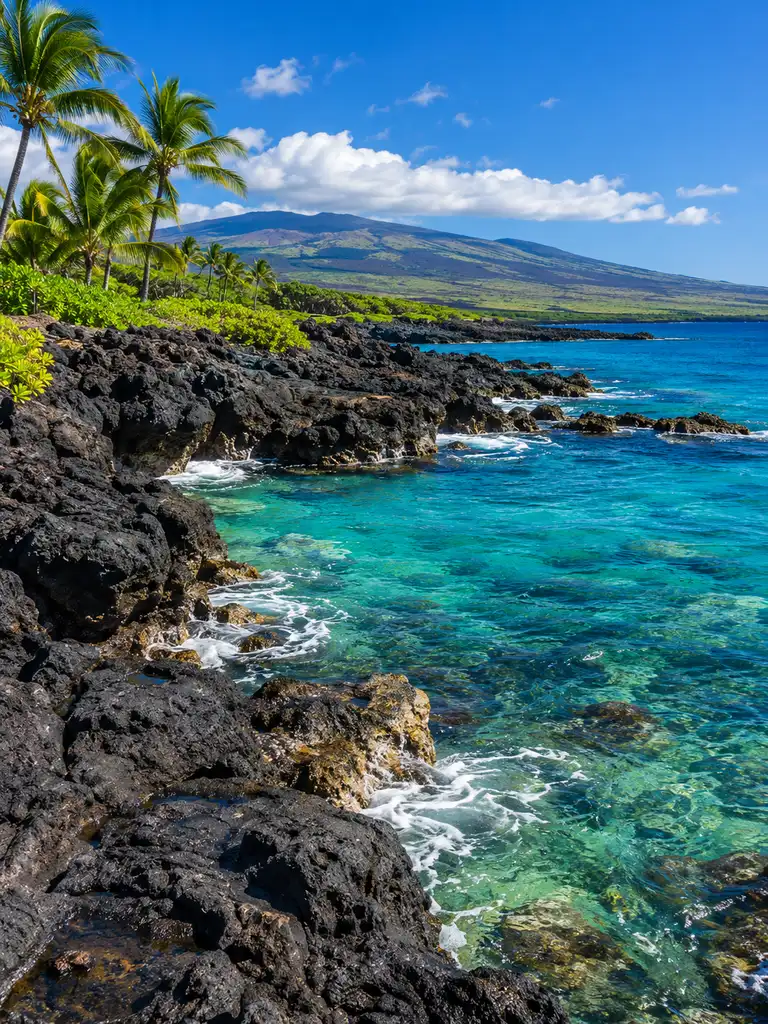
January high: About 81°F (27°C) on the Kona coast. Arrival: Kona International Airport (KOA). Stay: Kailua-Kona for restaurants and activities, or the Kohala Coast for resort beaches.
Hawaii’s Big Island offers a rare combination: a sunny west coast where you can spend an afternoon snorkeling, and a volcanic interior that feels like another planet. Visit Hawaiʻi Volcanoes National Park for remarkable lava landscapes and walking trails; check current access and volcanic conditions before setting out. Back near Kona, a guided evening manta-ray experience is a memorable wildlife encounter, although sightings are never guaranteed.
January is also part of Hawaii’s humpback whale season. A shore-based lookout or responsible boat trip can be rewarding, especially on calm days.
Plan smarter: Rent a car if you want to explore both coasts. Hawaii is a US state, so US citizens on domestic flights do not need a passport, but they must have acceptable identification.
Caribbean Islands for January Sunshine
January generally brings trade winds and a comparatively dry season to much of the Caribbean. Some northern islands still experience cooler days or passing showers, so choose based on your favorite activities—not just the highest temperature.
2. Aruba — Wide Beaches and Steady Trade Winds
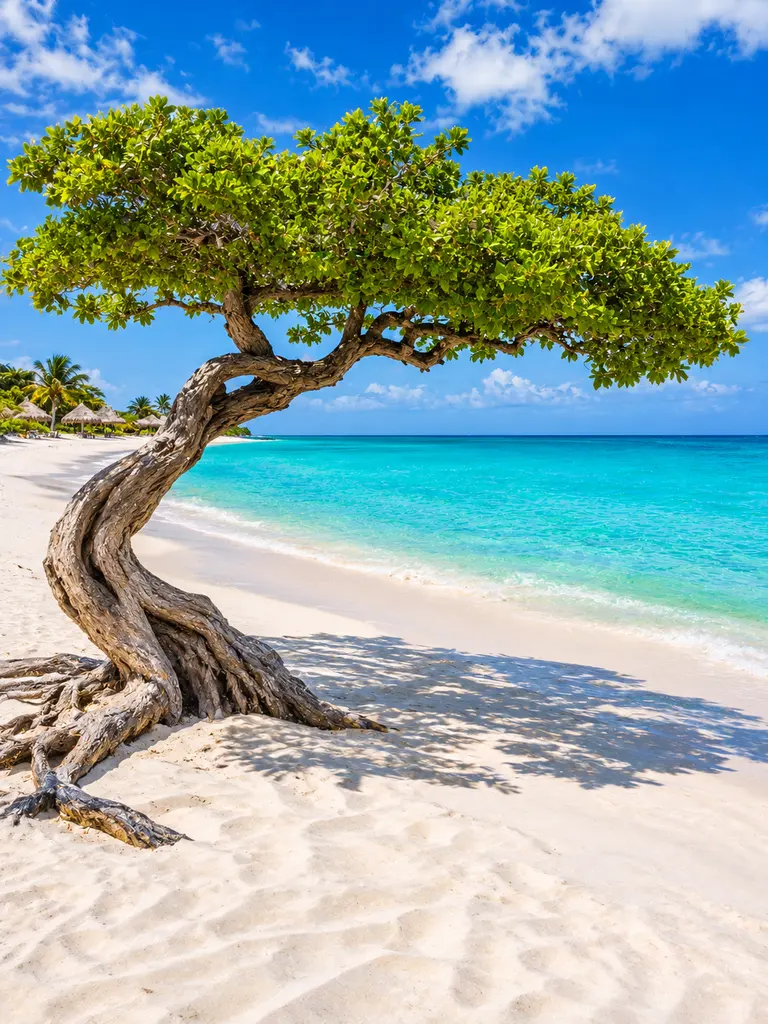
January high: About 85°F (29°C). Arrival: Queen Beatrix International Airport (AUA). Stay: Eagle Beach for space, Palm Beach for restaurants and nightlife.
Aruba’s appeal is its easy beach routine: swim in clear water, walk along Eagle Beach, and end the day at a toes-in-the-sand café. Constant breezes make warm afternoons feel comfortable, though they can make umbrellas and lightweight clothing tricky. Beyond the resorts, Arikok National Park reveals rocky coastline, desert vegetation, and a wilder side of the island.
For a calmer day, go early to a sheltered beach and save windy viewpoints for later.
Plan smarter: Complete Aruba’s official online ED Card process. A $20 sustainability fee applies to many air arrivals, with exemptions including children under eight and certain repeat visitors; confirm current rules before flying.
3. Barbados — Calm Swimming Bays and Lively Island Culture
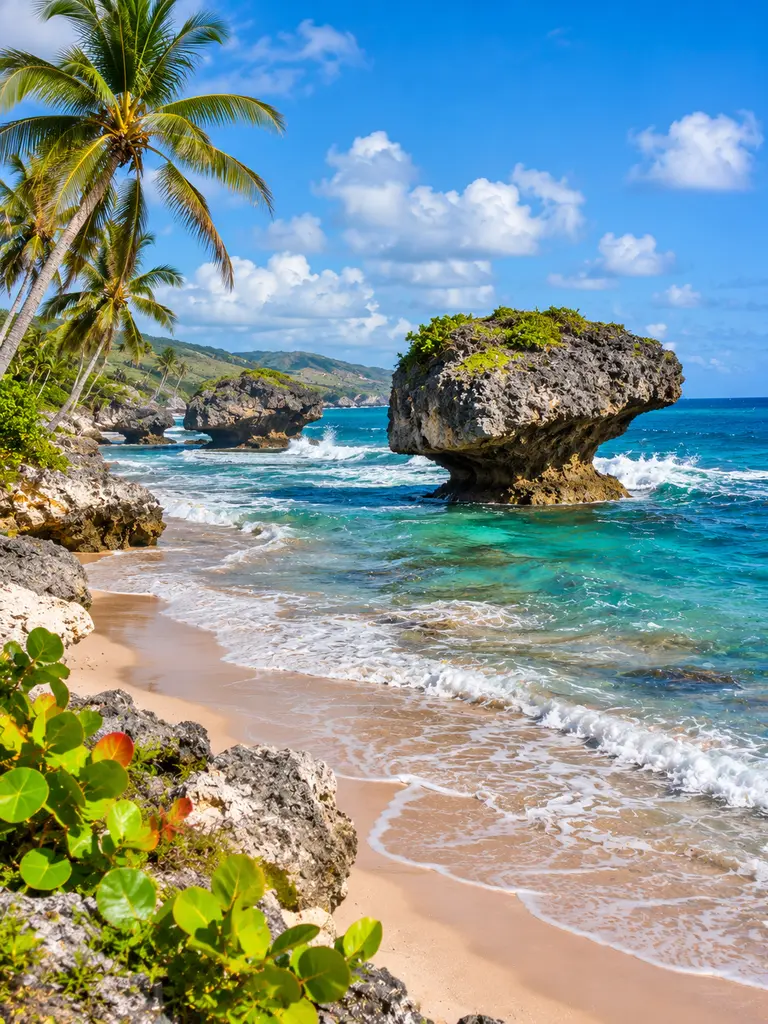
January high: About 84°F (29°C). Arrival: Grantley Adams International Airport (BGI). Stay: Holetown for west-coast relaxation or the south coast for more dining choices.
Barbados suits travelers who want more than a string of beach days. Carlisle Bay offers attractive swimming conditions in suitable weather, the west coast has quieter coves, and the rugged east coast is beautiful for photography and seaside walks. Stop at Oistins for a casual fish-fry atmosphere, or explore Bridgetown’s historic neighborhoods.
A catamaran outing can be enjoyable, but choose operators that respect marine wildlife and never chase or handle turtles. Inland attractions, gardens, and local rum history provide alternatives when you want a break from the sun.
Plan smarter: For swimming, prioritize sheltered beaches and follow local warnings; the Atlantic-facing east coast can have dangerous surf and currents.
4. Grenada — Spice Markets, Waterfalls, and Underwater Art
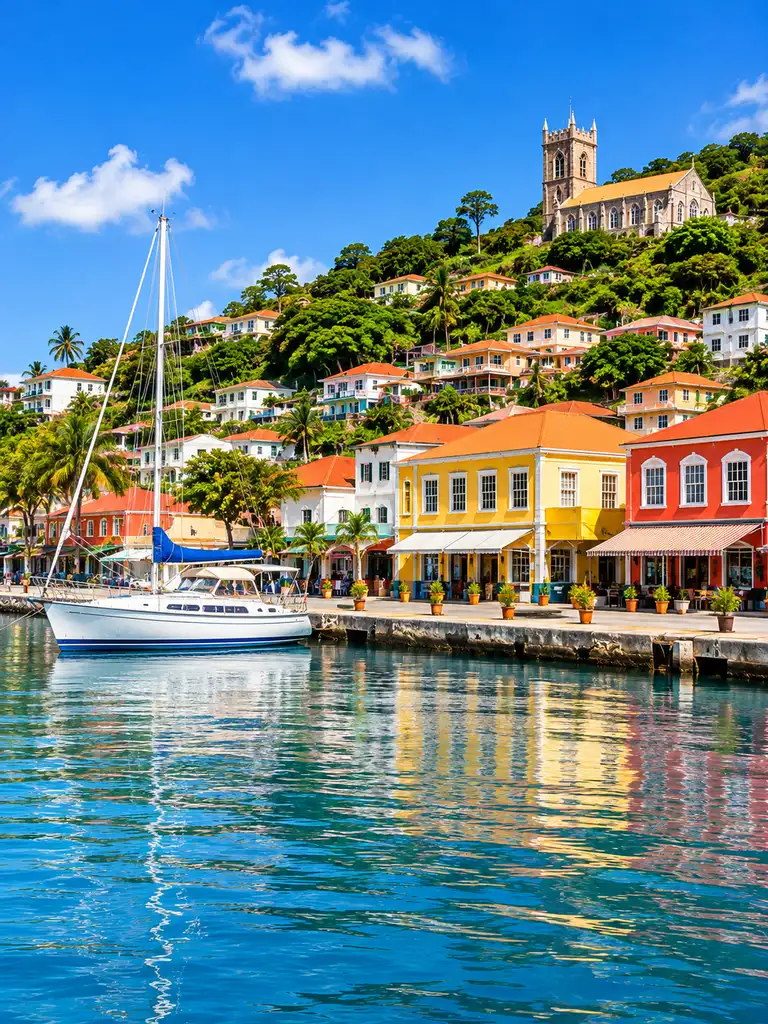
January high: About 86°F (30°C). Arrival: Maurice Bishop International Airport (GND). Stay: Grand Anse for beach access or near St. George’s for local character.
Grenada’s tropical greenery makes it feel different from drier Caribbean islands. Begin with an easy morning on Grand Anse Beach, then explore a spice market or a small nutmeg producer. The island’s underwater sculpture park is an unusual snorkeling or diving experience, and the rainforest offers waterfalls and shady hiking routes.
Roads can be steep and winding, so realistic travel times matter more than distances on a map.
Plan smarter: If you’re prone to motion sickness, arrange transfers carefully. A hillside guesthouse can be charming but may require a taxi every time you go out.
5. St. Lucia — The Pitons, Sulphur Springs, and Romantic Views
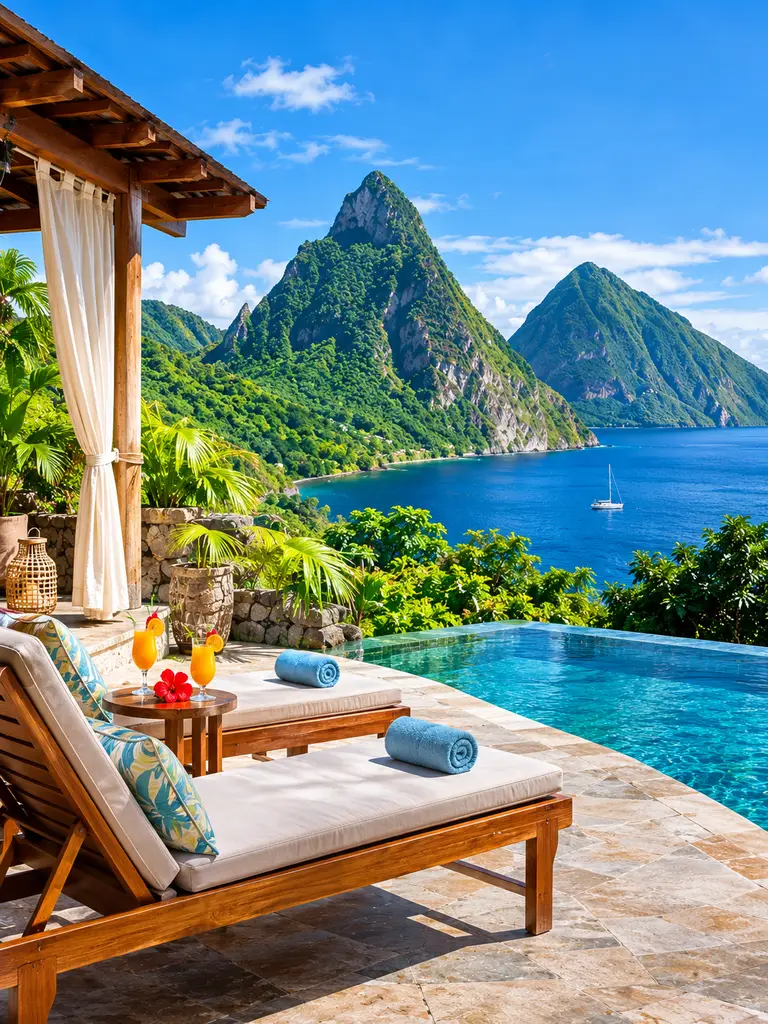
January high: About 84°F (29°C). Arrival: Hewanorra International Airport (UVF) for many overseas flights. Stay: Soufrière for mountain views or Rodney Bay for restaurants.
St. Lucia’s twin Pitons are among the Caribbean’s most recognizable landmarks. Explore Sulphur Springs, botanical gardens, or a guided hiking route. For a more relaxed day, book accommodation with a mountain view and enjoy the scenery from the terrace.
St. Lucia is mountainous, and transfers can take longer than expected. Soufrière places you near several popular sights, while the north is convenient for a wider range of evening dining.
Plan smarter: Compare actual transfer times before booking a hotel. A cheaper room far from your planned activities can become expensive once taxi costs are included.
6. Tobago — Quiet Beaches and a Slower Island Rhythm
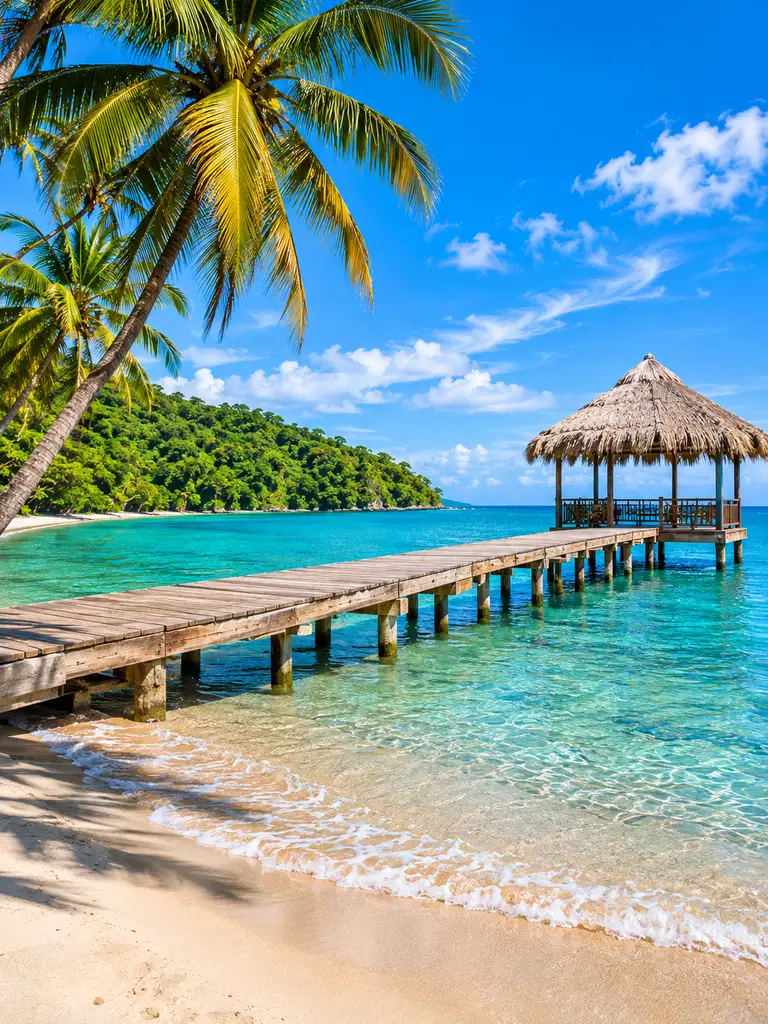
January high: About 86°F (30°C). Arrival: A. N. R. Robinson International Airport (TAB), with connections depending on your departure city. Stay: Crown Point for convenience or Castara for village atmosphere.
Tobago offers a less hurried Caribbean holiday. Pigeon Point is known for its pale sand and postcard-worthy jetty, while Castara has a local, laid-back feeling and attractive sunsets. On a clear day, a boat excursion to Buccoo Reef and the Nylon Pool adds a change of scenery; choose operators that avoid damaging coral.
For nature lovers, Tobago’s forested interior offers birdwatching and short walks.
Plan smarter: International connections can be less frequent than on larger islands. Check your arrival and onward flight times before deciding whether to use Tobago as a short stop.
7. Bonaire — Shore Diving and Flamingo-Watching
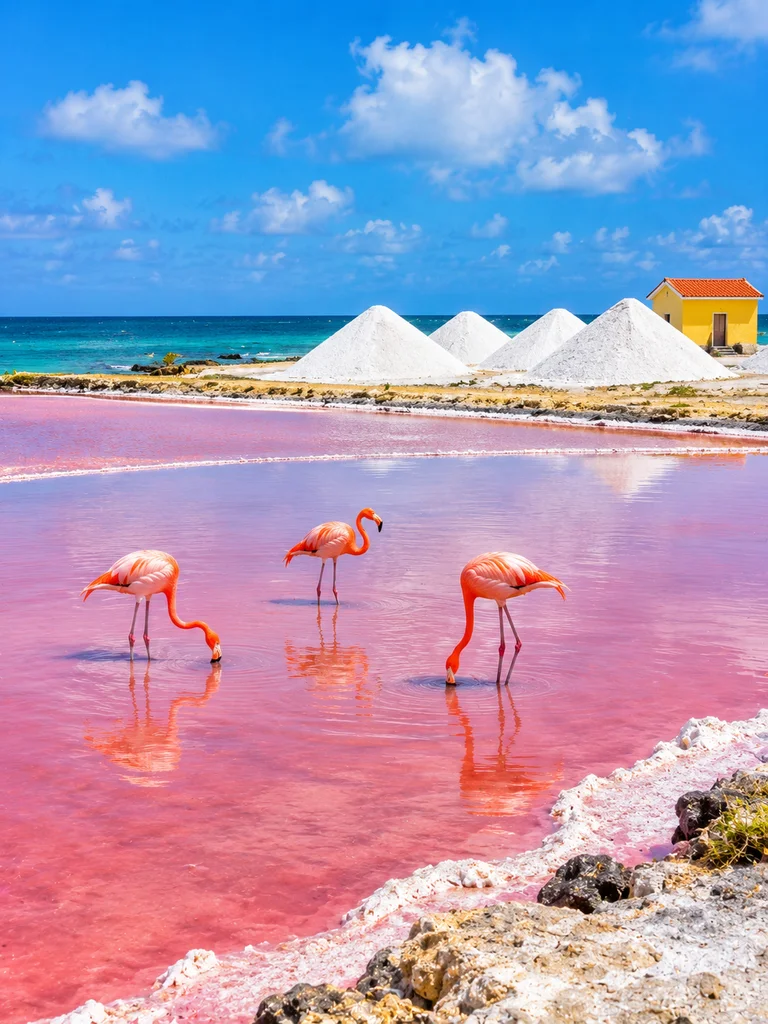
January high: About 86°F (30°C). Arrival: Flamingo International Airport (BON). Stay: Kralendijk for restaurants and dive shops.
Bonaire is especially rewarding for travelers who prefer time in the water to busy nightlife. The island is famous for accessible shore-diving sites, but snorkelers can also enjoy reef life where conditions and access permit. Watch for flamingos near the salt flats on a land-based outing.
Protection of the marine environment is central to visiting responsibly: never stand on coral, keep a safe distance from wildlife, and follow dive-park regulations.
Plan smarter: Budget for Bonaire’s visitor entry tax—generally $75 for nonresident visitors aged 13 and older—and any required nature fee for marine-park activities. Check official exemptions and rates before traveling.
8. Turks and Caicos — Grace Bay and Gorgeous Shallow Water
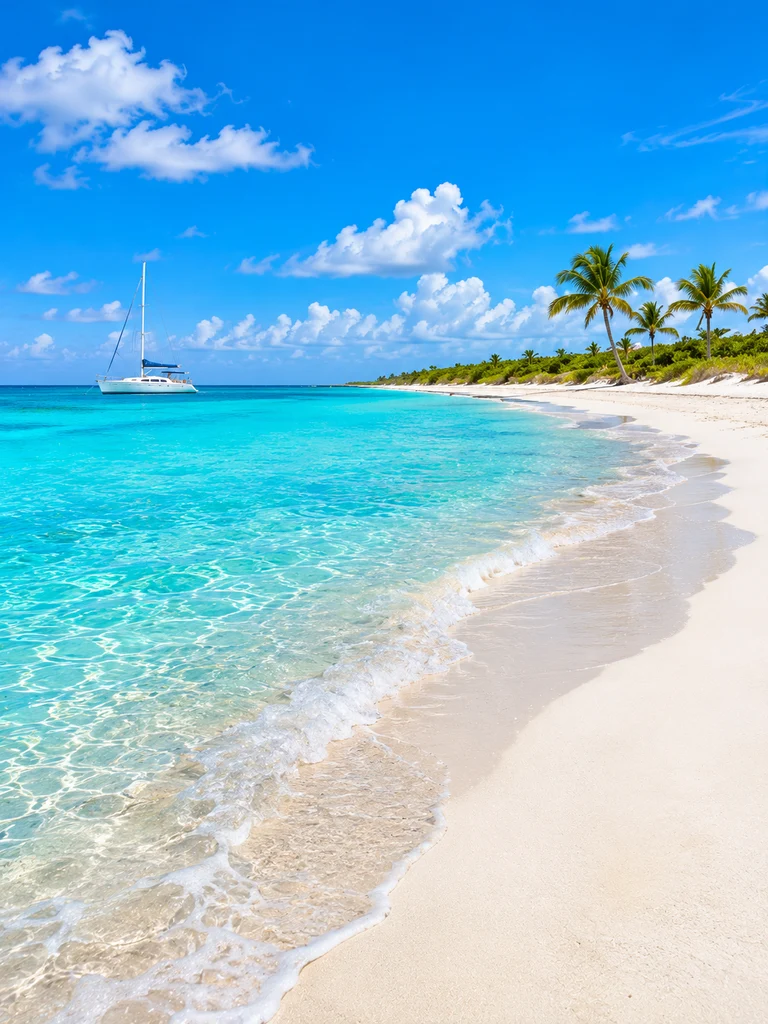
January high: About 82°F (28°C). Arrival: Providenciales International Airport (PLS). Stay: Grace Bay for beachfront convenience or elsewhere on Providenciales for quieter accommodations.
Grace Bay’s long ribbon of pale sand and intensely blue water makes Turks and Caicos an easy choice for a special beach escape. Spend your mornings walking the shoreline, then explore a different stretch of coast or a sheltered snorkeling spot when conditions allow.
This is one of the costlier places on the list. Beachfront hotels, restaurant meals, and car rentals can make a seemingly short vacation expensive. A condo with a kitchen or accommodation a few minutes back from the beach may offer better value than an all-inclusive resort.
Plan smarter: Book early for January, especially around New Year. The weather is warm but not tropical-hot every day, so pack a light layer for breezy evenings.
9. Negril, Jamaica — Seven Mile Beach and Cliffside Sunsets
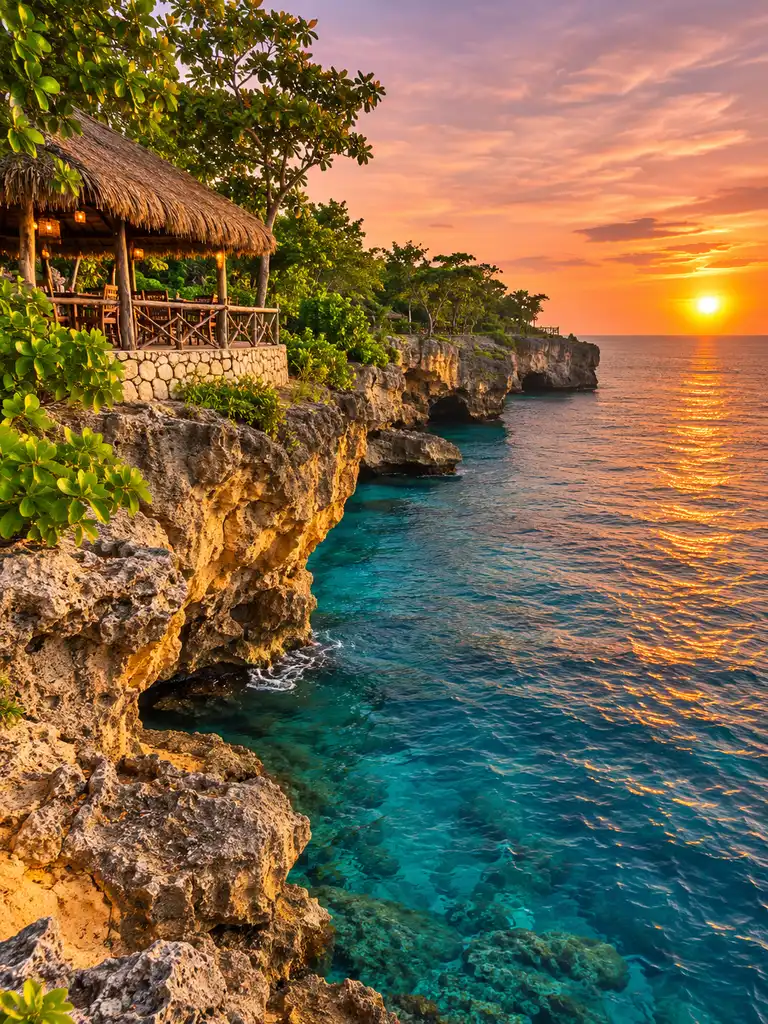
January high: About 86°F (30°C). Arrival: Sangster International Airport (MBJ) in Montego Bay, followed by a road transfer. Stay: Seven Mile Beach for sand or the West End for cliffs and views.
Negril is made for unhurried beach days. Walk along Seven Mile Beach, find a casual lunch spot, and save late afternoon for a dramatic sunset from the western cliffs. Some cliffside venues have designated swimming or jumping areas, but never jump without checking depth, conditions, and local safety advice.
Choose lodging based on whether you prefer the beach at your doorstep or a quieter cliffside setting.
Plan smarter: Arrange your airport transfer in advance and keep transportation plans straightforward, particularly after dark. Follow current local safety guidance when exploring beyond resort areas.
Mexico and Latin America: Beaches, Wildlife, and Culture
10. Puerto Vallarta and Sayulita, Mexico — Humpback Whales and Surf-Town Charm
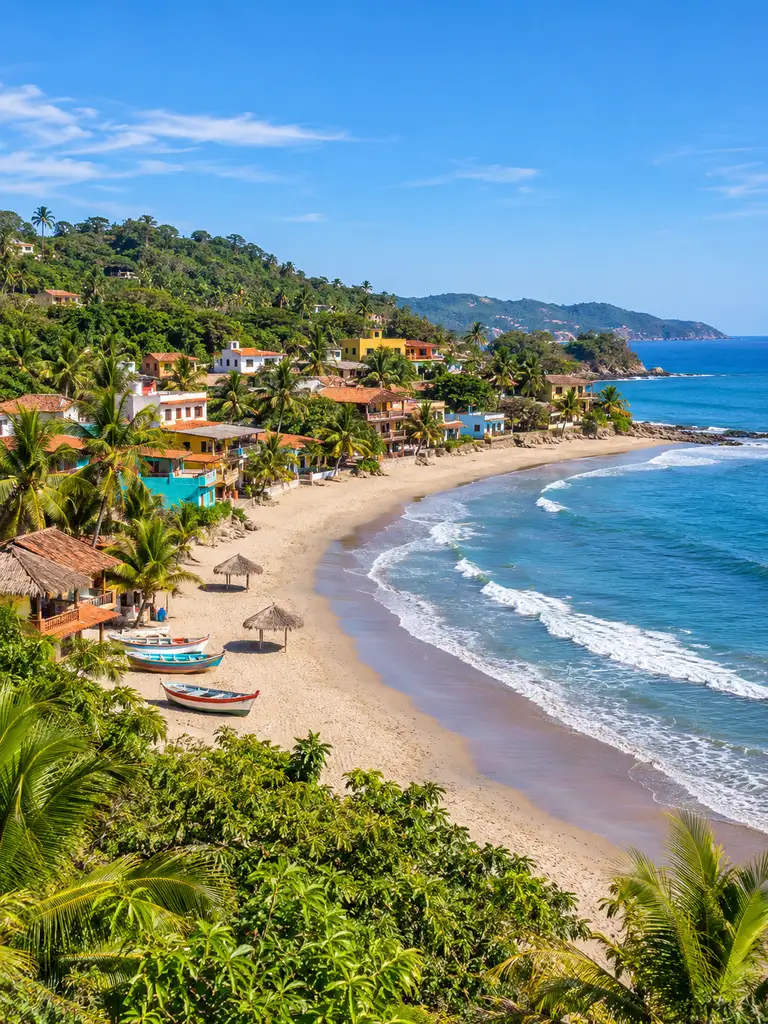
January high: About 82°F (28°C). Arrival: Licenciado Gustavo Díaz Ordaz International Airport (PVR). Stay: Puerto Vallarta for easy amenities or Sayulita for a smaller-town atmosphere.
January falls within the humpback whale-watching season around Banderas Bay. A responsible wildlife excursion offers a chance to see these animals without approaching too closely. On land, Puerto Vallarta’s cobbled streets, Malecón promenade, and food stalls are ideal for wandering, while Sayulita draws surfers and visitors who love lively cafés.
Choose a beach based on your activity: surfing conditions are not the same as safe swimming conditions. Ask locally about currents and water quality before entering the sea.
Plan smarter: January evenings can feel cooler than daytime temperatures suggest. Pack a light top and allow extra time for traffic between the airport, Puerto Vallarta, and nearby coastal towns.
11. Huatulco, Mexico — Nine Bays and a Quieter Pacific Coast
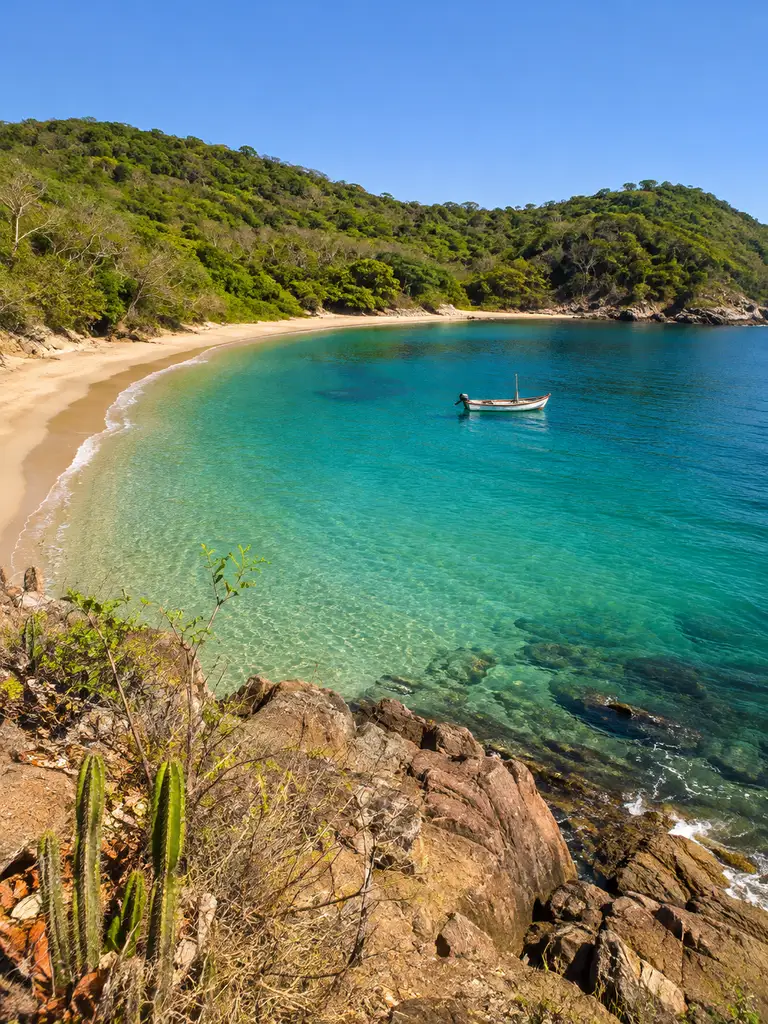
January high: About 88°F (31°C). Arrival: Bahías de Huatulco International Airport (HUX). Stay: Santa Cruz for convenience or La Crucecita for restaurants.
Huatulco is a compelling alternative to Mexico’s busiest resort areas. Its coastline is shaped by a collection of bays, with beaches ranging from lively and accessible to secluded and better reached by boat.
The dry-season weather is inviting, but beach conditions vary significantly from bay to bay. Ask about currents, boat landing points, and available facilities, especially when traveling with children.
Plan smarter: Don’t assume every beach has lifeguards, shade, or easy transport. Carry water, sun protection, and enough cash for small local businesses.
12. Cozumel, Mexico — Coral Reefs and Relaxed Island Days
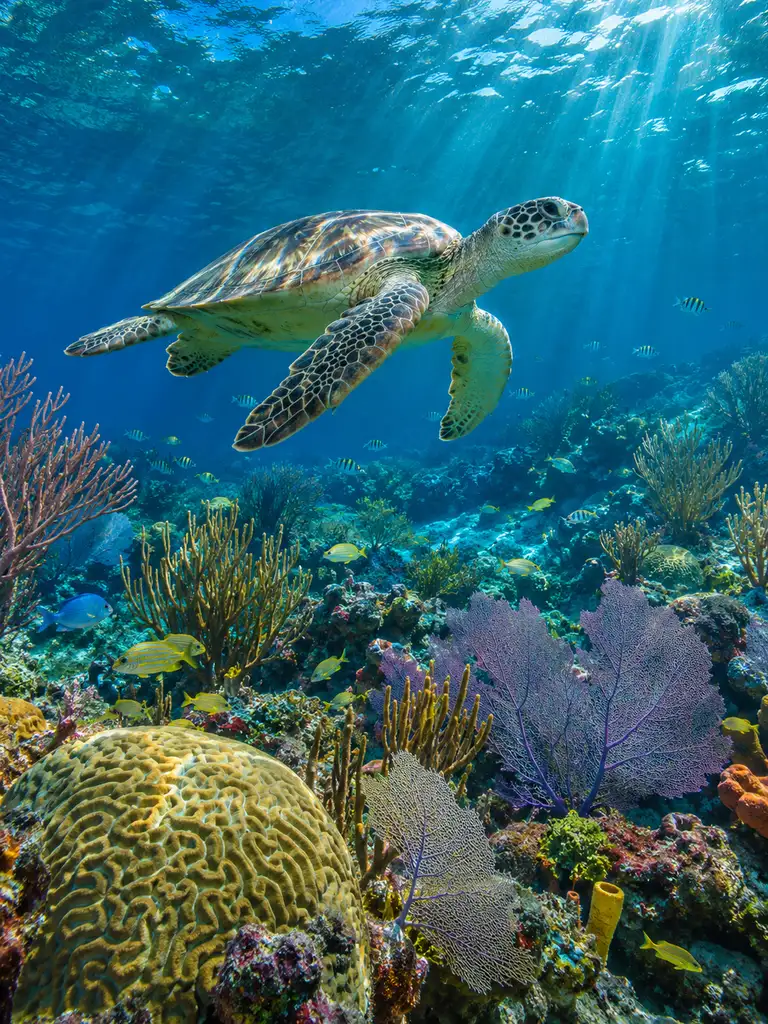
January high: About 82°F (28°C). Arrival: Cozumel International Airport (CZM), or Cancún (CUN) followed by an overland journey and ferry. Stay: San Miguel for restaurants and transport.
Cozumel is one of the Caribbean’s great destinations for people who want to be in the water. The surrounding reef system attracts divers, while beginner-friendly snorkeling options are available at suitable sites.
A guided reef outing is worthwhile for many visitors because currents can be strong in some locations. Choose environmentally responsible operators, avoid touching reef life, and make sure the activity matches your swimming experience.
Plan smarter: Factor ferry times, sea conditions, and the total cost of getting to your hotel into your arrival plans. Check any applicable local visitor taxes before departure.
13. Santa Marta and Tayrona, Colombia — Jungle Paths and Wild Caribbean Beaches
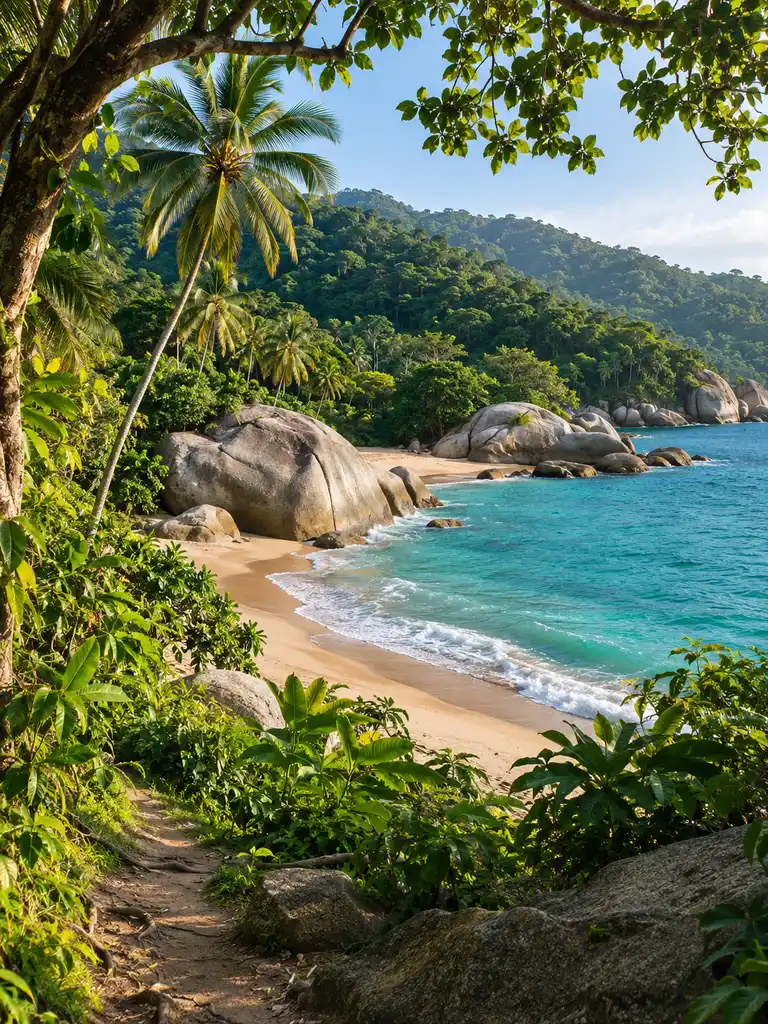
January high: About 89°F (32°C). Arrival: Simón Bolívar International Airport (SMR), often via Bogotá. Stay: Santa Marta for convenience or near Tayrona for early park access.
Around Santa Marta, Colombia’s Caribbean coast becomes wonderfully dramatic: forest-covered hills descend toward beaches framed by giant boulders. Tayrona National Natural Park is the highlight, with walking routes and designated coastal areas. Not all beaches are safe for swimming, so respect posted restrictions instead of following the crowd into the water.
For a change of pace, spend time in the cooler hills around Minca, where small coffee farms and forest trails offer a break from the heat.
Plan smarter: Tayrona has recurring conservation closures and access rules can change. Check the park’s official website before paying for accommodation. Colombia’s free Check-Mig service is currently optional, not mandatory.
14. Salvador da Bahia, Brazil — Vibrant Streets and Summer Sea Breezes
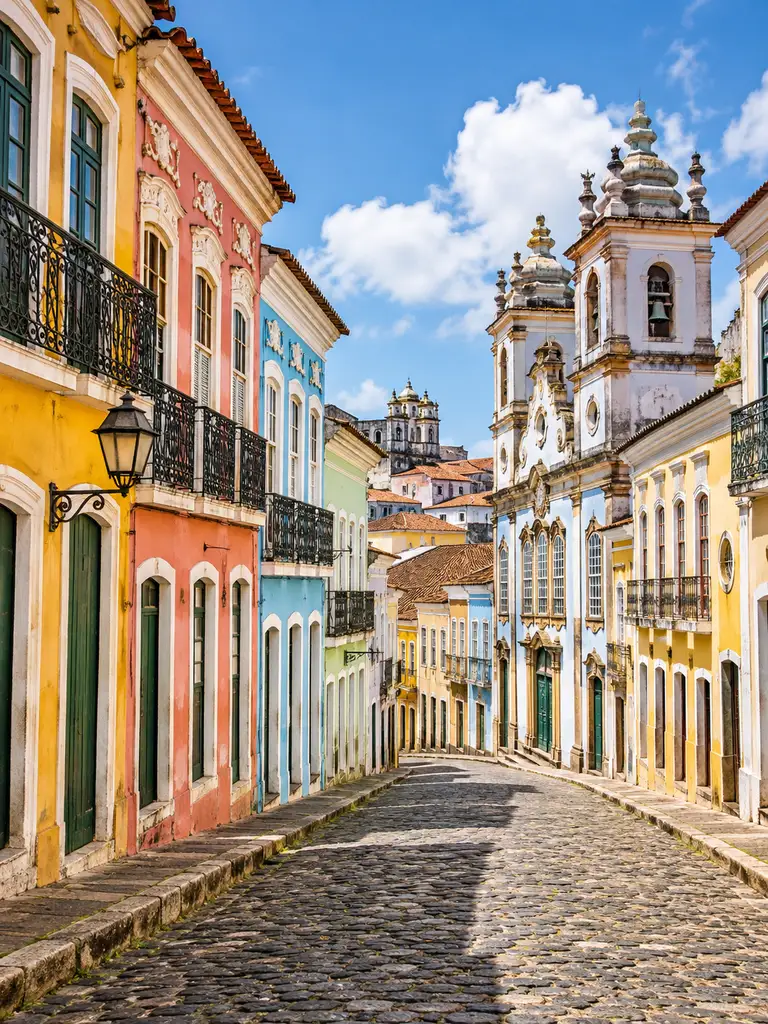
January high: About 86°F (30°C). Arrival: Salvador International Airport (SSA). Stay: Barra for waterfront access or Rio Vermelho for dining and nightlife.
Salvador combines beach weather with a depth of culture that makes an ordinary sightseeing day memorable. Its historic Pelourinho neighborhood is filled with colorful architecture, music, and Afro-Brazilian heritage, while seaside districts offer places to swim, stroll, and watch the sunset.
January is high summer, and humidity can be intense. Plan outdoor sightseeing in the morning, then slow down during the hottest hours. Beach conditions differ by location, and strong waves or crowded holiday periods may affect your preferred spot.
Plan smarter: Use official taxis or trusted ride services after dark, keep valuables discreet, and verify Brazilian entry rules for your passport nationality.
Africa and the Indian Ocean: Tropical Heat and Beautiful Coastlines
15. The Gambia — Golden Beaches and Excellent Winter Value
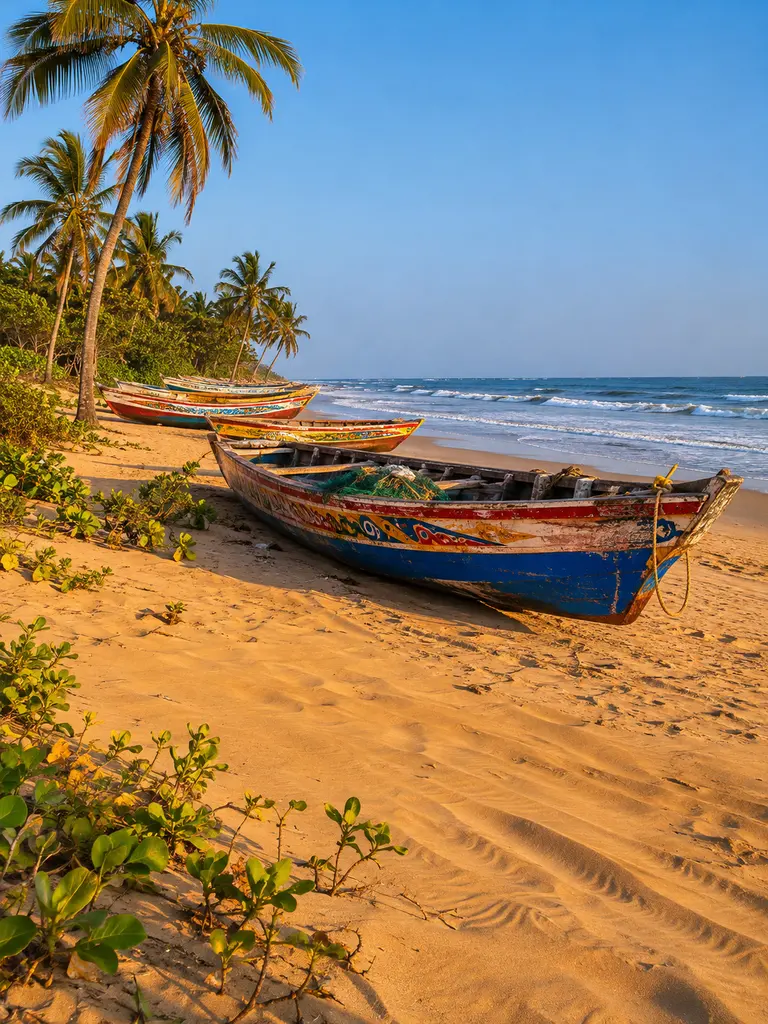
January high: About 90°F (32°C). Arrival: Banjul International Airport (BJL). Stay: Kololi for restaurants or quieter coastal areas for a slower trip.
The Gambia is an appealing winter-sun escape, particularly for travelers departing from the UK when suitable direct flights are available. Long sandy beaches, friendly local markets, and bird-rich wetlands give you more to explore than the hotel pool.
Although afternoons are hot, the Atlantic water may feel noticeably cooler than the air. Choose a hotel with a comfortable pool if warm-water swimming matters to you. January is usually part of the dry season, making coastal walks and outdoor sightseeing attractive.
Plan smarter: Ask hotels about airport transfers, use licensed guides for longer excursions, and check the latest visa and arrival rules for your nationality rather than assuming one policy applies to everyone.
16. Diani Beach, Kenya — Palm-Fringed Sand With Safari Possibilities
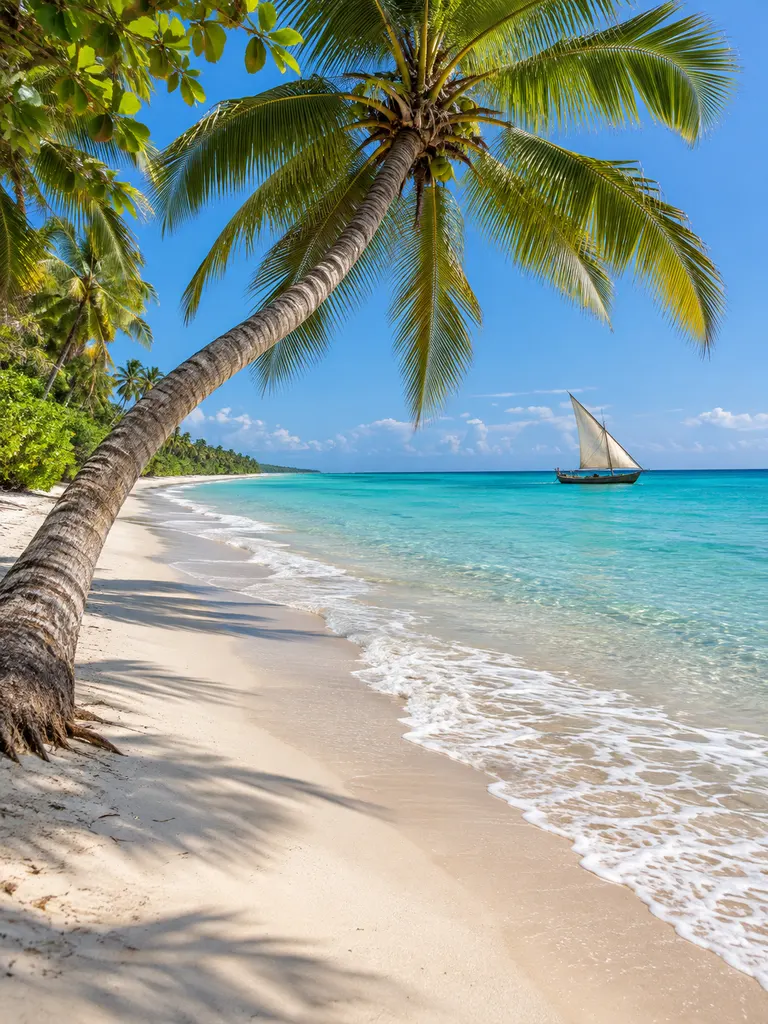
January high: About 90°F (32°C). Arrival: Ukunda airstrip (UKA) for some domestic connections, or Mombasa (MBA). Stay: Along Diani Beach, where guesthouses and resorts suit different budgets.
Diani has the classic Indian Ocean combination of white sand, palms, and vivid blue water. A restful day can mean walking the beach at low tide, enjoying local seafood or vegetarian dishes, and watching traditional sailing boats offshore. If you have extra time and money, combine the coast with a carefully planned wildlife safari rather than attempting to squeeze both into one rushed day.
Tides, reef conditions, and weather affect where swimming is pleasant. Ask your accommodation about safe water entry and reliable guides.
Plan smarter: As of October 2026, most eligible foreign visitors must obtain Kenya’s government-approved inbound travel health insurance; many travelers also require an eTA. Check the official portals before flying.
17. Mauritius — Brilliant Lagoons With a Rainy-Season Caveat
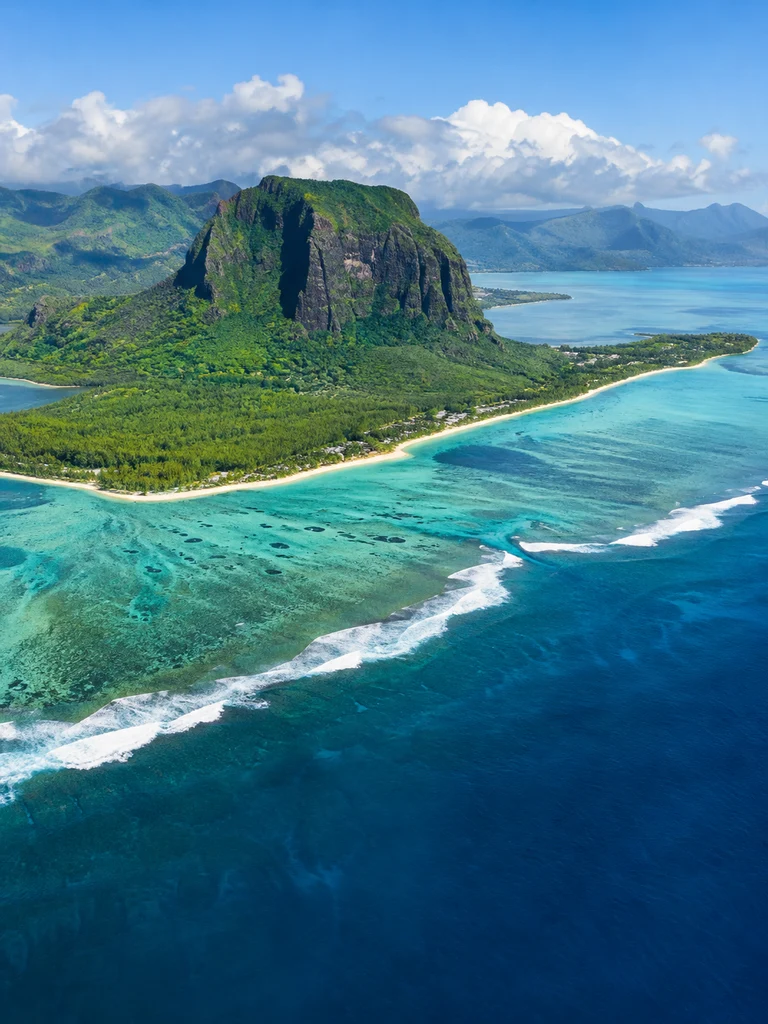
January high: About 86°F (30°C). Arrival: Sir Seewoosagur Ramgoolam International Airport (MRU). Stay: Grand Baie for activity or the west coast for sunset views.
Mauritius looks spectacular in summer, with lush hills behind reef-protected lagoons. Swim or kayak where conditions allow, explore village markets, and make time for a mountain viewpoint or the unusual colors of Chamarel.
There is an important weather trade-off: January is hot and humid, often rainy, and within the tropical cyclone season. That does not mean every day is wet, but it does make Mauritius less predictable than Aruba or South Goa for a sunshine-first holiday. Flexible plans are particularly valuable on an island with many outdoor attractions.
Plan smarter: Choose accommodation with comfortable indoor facilities, monitor local weather alerts, and consider a different month if minimizing storm risk is your top priority.
18. Maldives Local Islands — Dreamy Water Without a Luxury Resort
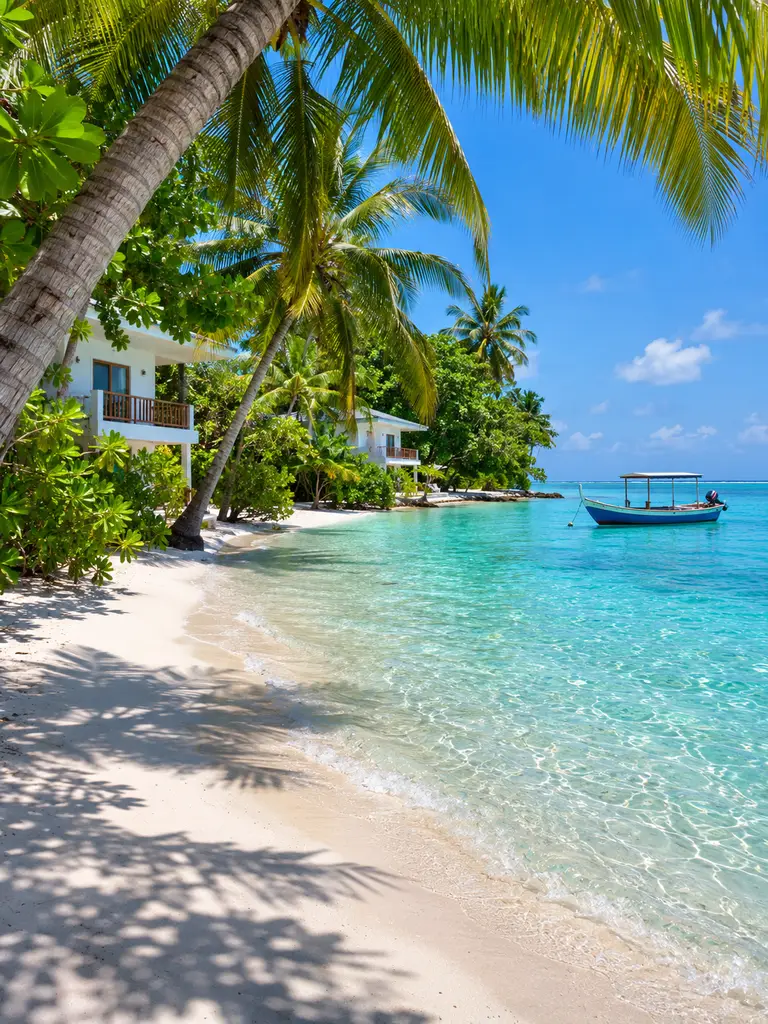
January high: About 86°F (30°C). Arrival: Velana International Airport (MLE), followed by a scheduled boat or other island transfer. Stay: An inhabited island with guesthouses and an established tourist beach.
The Maldives isn’t limited to overwater villas. On some inhabited islands, small guesthouses make it possible to enjoy turquoise lagoons, snorkeling, and bright white sand at a much lower cost than resort stays. Compare island transfers before booking a guesthouse.
Local islands have community customs that differ from private resorts, including rules about alcohol and designated tourist swimming areas. Respect local dress expectations away from tourist beaches.
Plan smarter: Add transfers, meal plans, and green tax to your budget. The official daily green tax is generally $6 at qualifying small guesthouses on inhabited islands and $12 at many other tourist properties.
Asia’s Sunny January Beaches and Coastal Cities
19. South Goa, India — Peaceful Beaches and Sunset Cafés
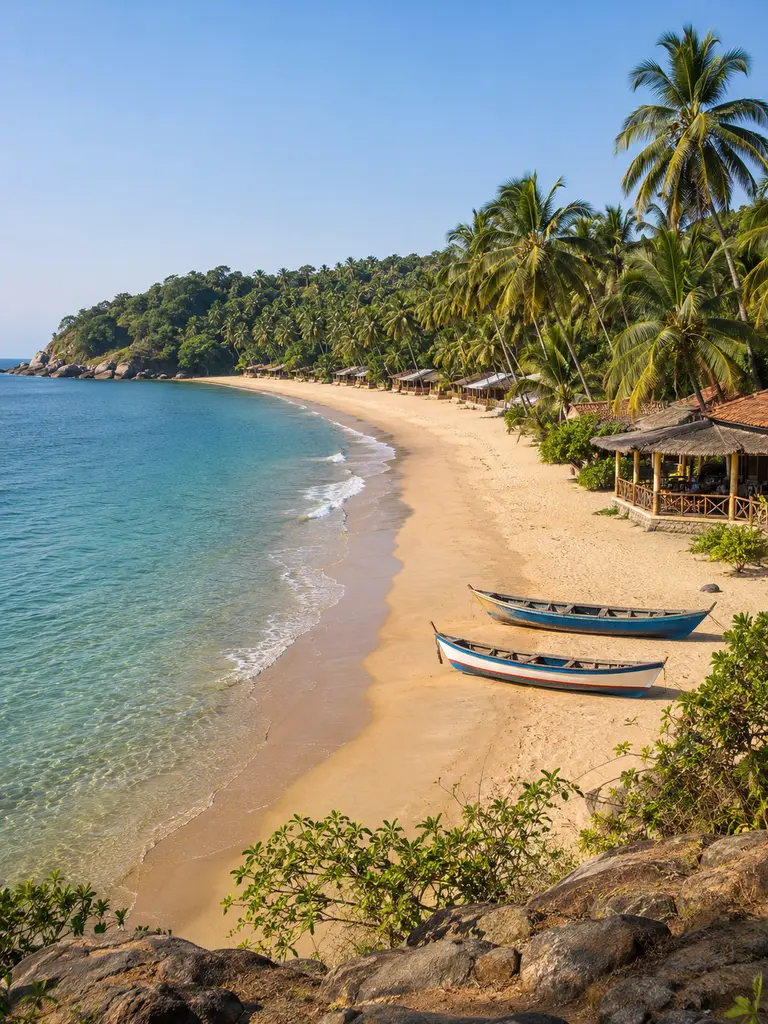
January high: About 90°F (32°C). Arrival: Goa Dabolim (GOI) or Manohar International Airport (GOX), depending on routes and where you’re staying. Stay: Palolem, Agonda, or quieter villages farther south.
South Goa appeals to travelers who want sandy beaches without a rigid resort schedule. Palolem’s curved bay is convenient for cafés and boat departures, while Agonda usually feels more relaxed.
January generally brings dry weather and warm afternoons, but some beaches have stronger shore breaks than their calm appearance suggests. Check swimming conditions locally, and book popular guesthouses ahead for the holiday period.
Plan smarter: The two Goa airports are not equally convenient for every beach. Check the real road-transfer time before choosing the cheapest flight.
20. Varkala, Kerala, India — Red Cliffs Above the Arabian Sea
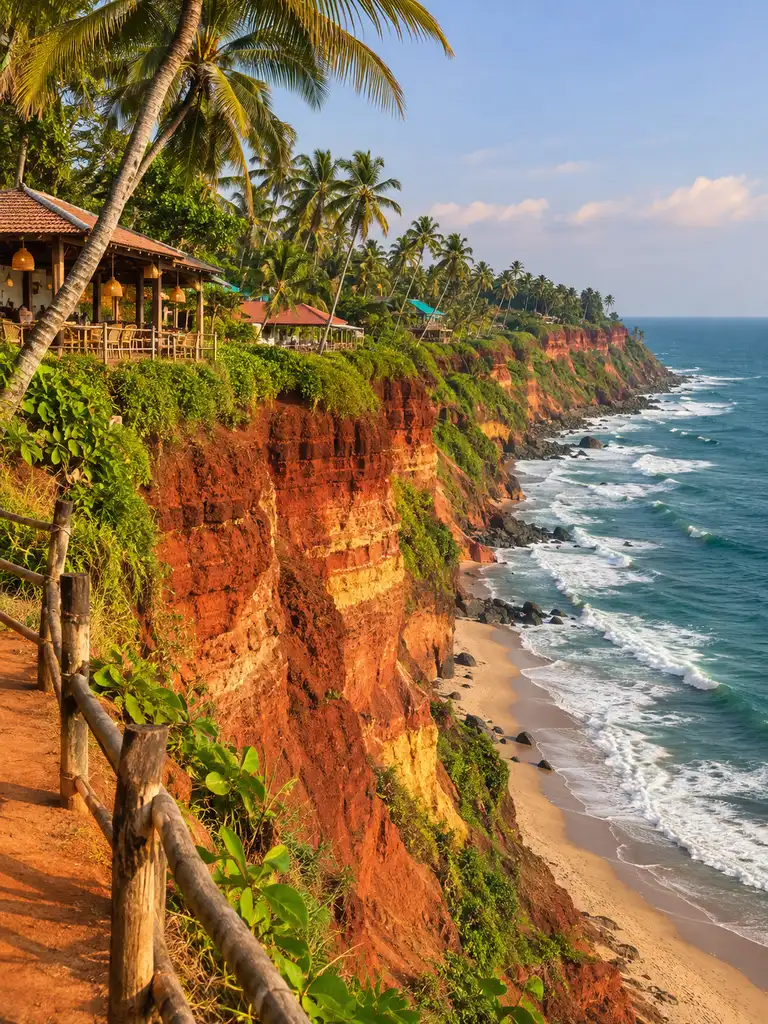
January high: About 90°F (32°C). Arrival: Thiruvananthapuram International Airport (TRV), then a road or rail transfer. Stay: Near North Cliff for cafés or on a quieter stretch for a calmer atmosphere.
Varkala’s signature is its striking red laterite cliffs overlooking the Arabian Sea. The upper walkway is lined with cafés, shops, and places to watch the sun dip below the horizon. Below, beaches offer opportunities for a swim when conditions permit, although waves and seasonal erosion can affect access.
Varkala is easy to combine with other places in southern Kerala, but distances should be planned realistically.
Plan smarter: Use marked beach access points, avoid unstable cliff edges, and treat the sea with caution when red flags or strong surf are present.
21. Krabi and Railay, Thailand — Limestone Cliffs and Longtail Boats
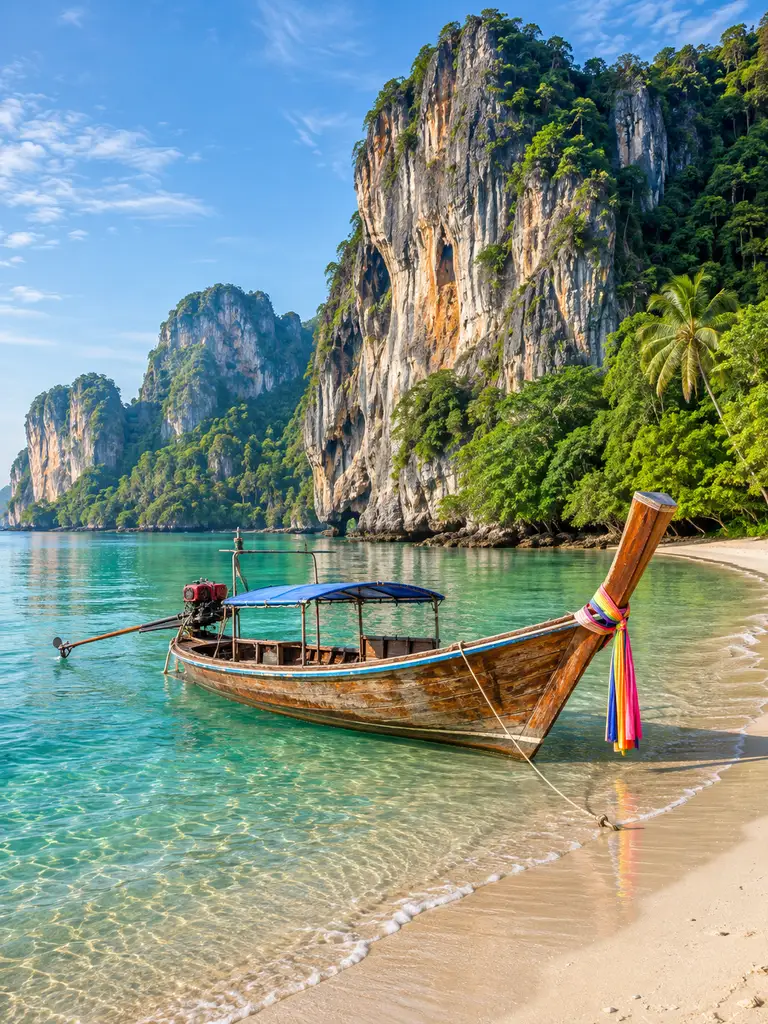
January high: About 90°F (32°C). Arrival: Krabi International Airport (KBV). Stay: Ao Nang for transport options or Railay for dramatic scenery.
Towering limestone cliffs make the Krabi coast feel cinematic. Railay’s beaches are reached by boat rather than road, which is part of the appeal but also a practical consideration if you carry heavy luggage. Spend one day exploring Railay and neighboring beaches, then use another for an island outing when sea conditions are suitable.
Ao Nang is the simpler base for restaurants, markets, and excursions. Railay feels more secluded after day visitors depart. January is usually a favorable month on Thailand’s Andaman coast, although no season guarantees perfect seas.
Plan smarter: Allow time for longtail-boat queues and check the last return service. Weather disruptions can affect plans even in the dry season.
22. Koh Rong, Cambodia — Barefoot Island Days
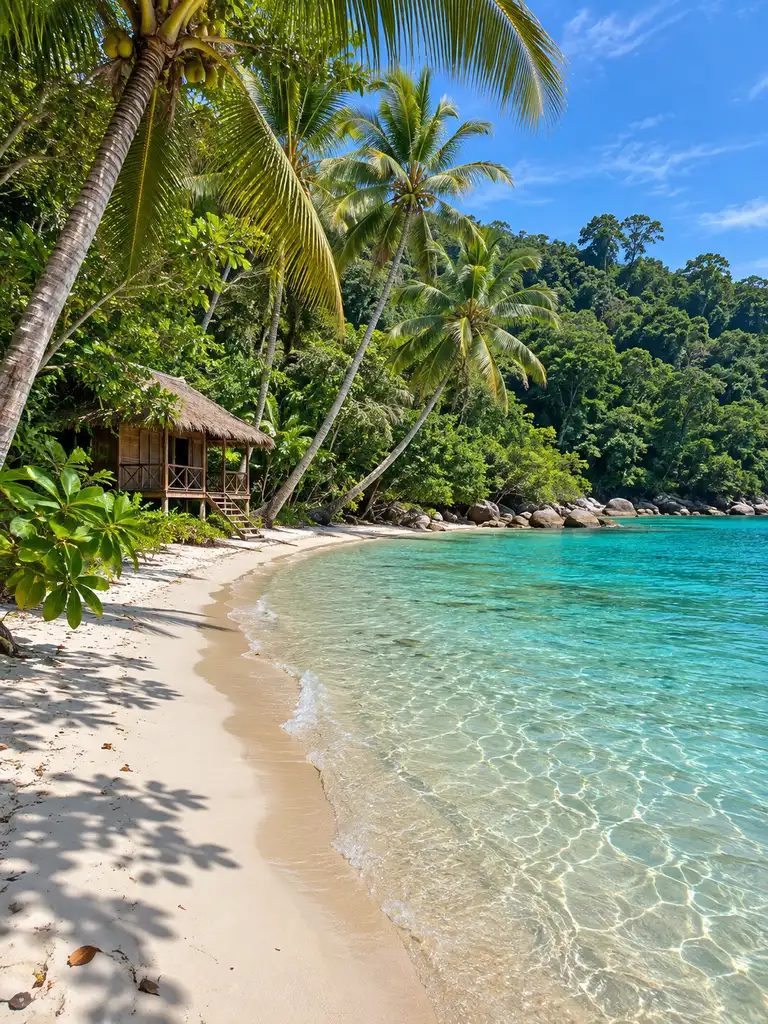
January high: About 90°F (32°C). Arrival: Travel via Sihanoukville and a ferry; international routing may involve Phnom Penh’s Techo International Airport (KTI). Stay: Choose an island beach according to the level of nightlife and comfort you want.
Cambodia’s Koh Rong islands offer a relaxed blend of bright beaches, low-key guesthouses, and boat-access coves. Some areas attract party crowds, while others are better suited to early nights and quiet swims. Look beyond the island name when choosing your hotel: electricity, transport, water conditions, and beach cleanliness can vary by village and accommodation.
January generally falls in the drier season. Keep one flexible day in your plan in case a ferry is delayed, and pack what you need because shops and medical services may be limited in remote areas.
Plan smarter: Phnom Penh’s old PNH airport was replaced for commercial passenger travel in 2025. Eligible visitors should verify visa requirements and complete Cambodia’s free official e-Arrival process for air entry.
23. Penang, Malaysia — World-Class Food With a Side of Sunshine
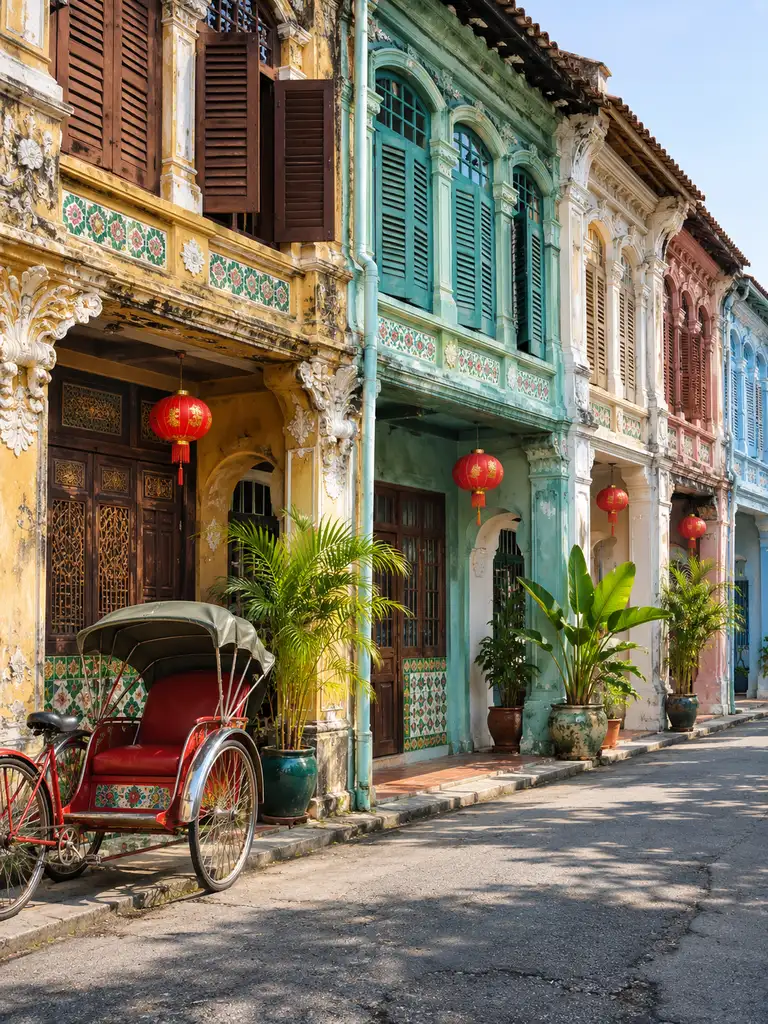
January high: About 90°F (32°C). Arrival: Penang International Airport (PEN). Stay: George Town for heritage streets or Batu Ferringhi for a seaside base.
Penang is the choice for travelers who want warm weather but don’t want every day to revolve around a beach. George Town’s historic shophouses, street art, temples, and busy food stalls make wandering its neighborhoods an attraction in itself. Sample local favorites, browse small galleries, and take a break in a shaded courtyard when the heat builds.
Batu Ferringhi offers resort facilities and coastal views, but Penang’s beaches are not as celebrated for clear-water swimming as those in Thailand or the Maldives. Think of the seaside as an extra, not the entire reason to visit.
Plan smarter: January can be hot and humid. Walk George Town early, take a midday break, and be prepared for occasional tropical showers.
24. Boracay, Philippines — White Beach and Sunset Sailing
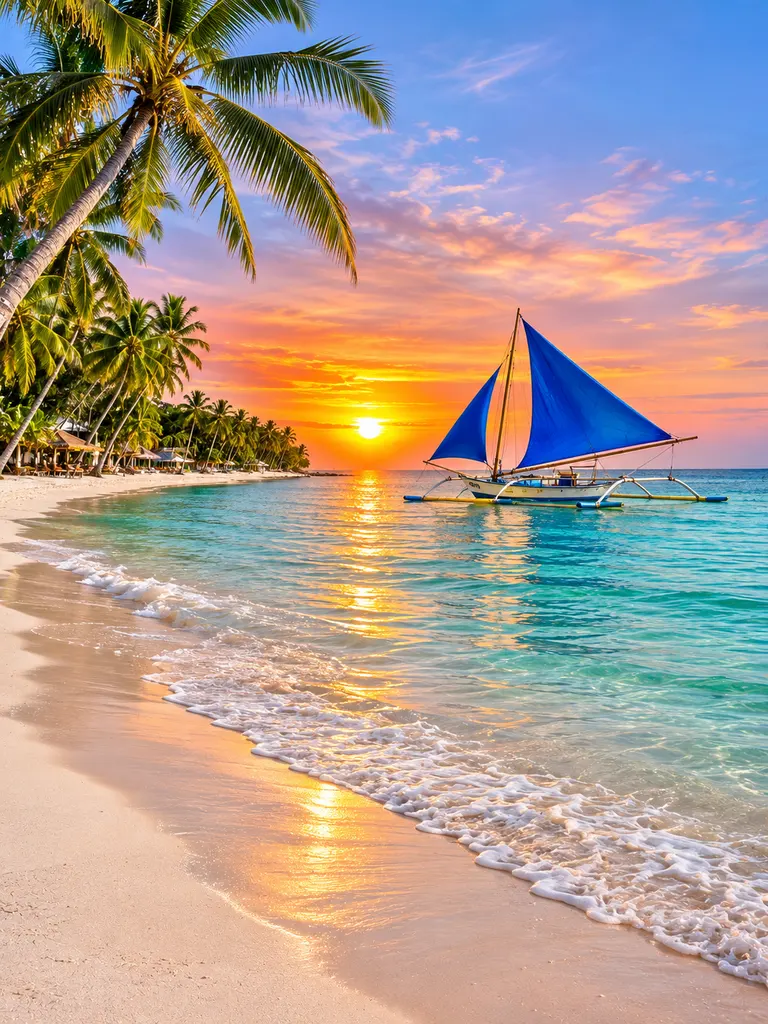
January high: About 84°F (29°C). Arrival: Caticlan (MPH) for the shortest onward journey, or Kalibo (KLO) for an additional transfer. Stay: Along White Beach according to your preferred balance of nightlife and quiet.
Boracay earns its reputation through powdery sand, inviting shallow water, and beautiful evening light. A simple day can involve swimming in the morning, a long lunch, and a sunset sailing trip when wind conditions permit. The island has lively sections, but travelers seeking peace can choose accommodation away from the busiest strips.
January is part of the relatively dry, breezy season. Those winds can be excellent for watersports but may make certain activities less comfortable.
Plan smarter: Check whether your hotel includes port transfers, since arriving generally involves several steps after landing.
Southern Hemisphere Summer
25. Perth, Western Australia — Bright Beaches and Quokkas
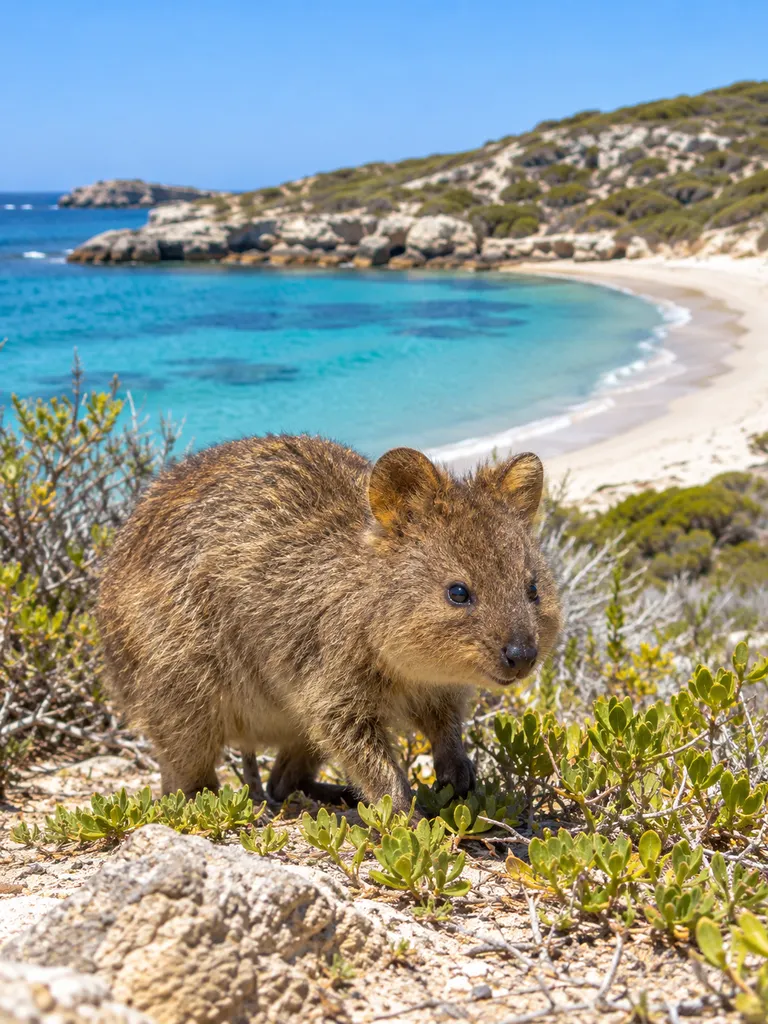
January high: About 88°F (31°C). Arrival: Perth Airport (PER). Stay: Fremantle for cafés and heritage streets or near the coast for beach access.
While much of the Northern Hemisphere shivers, Perth is enjoying its long, sunny summer days. Swim at a patrolled beach, watch the sunset over the Indian Ocean, and explore Fremantle’s markets and waterfront neighborhoods. A day trip to Rottnest Island offers cycling, sheltered bays, and the chance to see quokkas from a respectful distance.
January can be very hot, especially inland, while the ocean remains noticeably cooler than in tropical Asia. Summer also brings a higher UV exposure risk, so prioritize shade and avoid extended outdoor activity during the strongest heat.
Plan smarter: Book Rottnest transport early, carry ample water, and choose patrolled swimming beaches. Never feed or touch quokkas.
How to Choose the Right 80°F Destination
For reliable beach-focused sunshine, compare Aruba, Bonaire, South Goa, and the Maldives, while remembering that rain and wind can occur anywhere. For culture and food, Salvador, Penang, and Barbados offer rewarding days away from the sand. For outdoor adventure, try the Big Island, St. Lucia, Krabi, or Kenya’s coast.
Consider water temperatures. Perth and The Gambia may feel hot on land while the sea is refreshing rather than bath-warm. Watch the humidity: 86°F in Mauritius or Penang can feel more intense than a breezy Caribbean afternoon. Choose by swimming conditions and storm risk, not temperature alone.
How to Save Money on a January Beach Vacation
- Check post-holiday dates: Rates sometimes drop after New Year, though school holidays and festivals affect prices.
- Compare total cost: Add baggage, ferries, taxes, and local transfers.
- Stay longer in one place: Fewer transfers save money and time.
- Try guesthouses: A kitchenette and local markets may reduce food costs.
- Allow flexibility: Review cancellation terms and buy suitable travel insurance.
Frequently Asked Questions
Where is it 80 degrees in January?
Typical January daytime highs reach about 80°F (27°C) or more in places such as Aruba, Barbados, Kona, Puerto Vallarta, South Goa, Krabi, the Maldives, and parts of Australia’s west coast. Exact temperatures vary from day to day.
Which Caribbean islands are warm in January?
Aruba, Bonaire, Grenada, Tobago, Barbados, and St. Lucia are all good candidates. The southern islands often offer particularly warm afternoons, although wind, showers, and ocean conditions still vary.
What are the cheapest hot places to visit in January?
Varkala, South Goa, Koh Rong, Krabi, Penang, and parts of Colombia can be affordable once you’ve arrived. Compare flights and transfer costs as well as hotel prices: a low daily budget doesn’t always mean a cheap total vacation.
Where can UK travelers find hot weather in January?
The Gambia is a popular relatively short-haul option when appropriate direct services operate. The Caribbean, Maldives, India, Kenya, Mauritius, and Thailand offer additional choices with different travel times and seasonal trade-offs.
Is January a good month for the Maldives or Thailand?
January is commonly a favorable period for the Maldives and Thailand’s Andaman coast, including Krabi. Conditions are often sunnier and drier than in their wetter months, but ocean conditions and rainfall are never guaranteed.
Does January have hurricane or cyclone risks?
January falls outside the official Atlantic hurricane season, which runs from June through November, although unusual weather is still possible. Mauritius, however, is within its southwest Indian Ocean cyclone season, so that destination needs an extra weather check.
Final Thoughts: Trade Winter Gray for January Sunshine
January sunshine might mean snorkeling in Bonaire, sunset over Varkala, or colorful streets in Salvador. Choose the experience you want, then compare the actual journey and cost.
Before booking, confirm entry rules, forecasts, and transport schedules—and save this guide for planning.
Official Sources and Planning Resources
- NOAA National Hurricane Center — Atlantic hurricane season and storm information.
- Aruba Tourism Authority: Sustainability Fee — current fee and exemptions.
- Bonaire Government: Visitor Entry Tax — entry tax rates and exemptions.
- Migración Colombia: Check-Mig — official free, optional form.
- Colombia National Parks: Tayrona — park access and seasonal closures.
- Kenya eTA Portal and Government Inbound Insurance Portal — entry and health-insurance requirements.
- Mauritius Meteorological Services — tropical weather and cyclone updates.
- Maldives Inland Revenue Authority: Green Tax — tourism tax rates.
- Techo International Airport and Cambodia e-Arrival — airport and arrival information.
Editorial note: This article reflects typical weather patterns and travel information checked in November 2026. Budget examples are estimates, not guaranteed prices. Entry rules, service schedules, fees, and access conditions can change.
Image note: Destination visuals are AI-generated illustrations. Actual scenery, weather, facilities and travel conditions may differ.