Skip to content

Affiliate disclosure: This article may contain affiliate links. If you purchase through these links, BirbalNews may earn a commission at no additional cost to you.
Health and nutrition disclaimer: These recipes and nutrition estimates are for general information only. Individual digestive tolerance, dietary needs, and swallowing safety vary. Consult a qualified healthcare professional for personalized medical or nutrition advice.
When the days get short and the air turns sharp, few things feel as good as a warm bowl of soup. For older adults, soup does more than chase away the chill. It is one of the easiest ways to get vegetables, protein, and fluids into a single meal without a heavy, hard-to-digest plate of food sitting in your stomach afterward.
As we age, digestion naturally changes. The stomach empties more slowly, many people produce less stomach acid, and medications can bring their own side effects, from constipation to a sensitive gut. Thirst signals also weaken, which makes it easy to get mildly dehydrated in winter when we reach for fewer cold drinks. A well-made soup answers all of these at once: it is warm, soft, hydrating, and easy on the body.
Every soup in this collection is vegetarian and completely egg-free, with dairy used only where it adds comfort and creaminess. The recipes lean on soft-cooked vegetables, mild spices, and simple techniques that do not require hours of chopping or standing at the stove. Most can be made in one pot, frozen in single portions, and reheated on days when cooking feels like too much.
Why Soup Is One of the Best Winter Foods for Seniors
Soup has been a cold-weather staple in nearly every culture for good reason. For older adults in particular, it solves several common winter challenges.
Hydration without effort. Many seniors simply do not feel thirsty, and indoor heating dries the air. A bowl of soup can add a full cup or more of fluid to your day in a form that feels like food, not a chore.
Soft texture. Simmered and blended vegetables are easy to chew and swallow, which matters for anyone with dentures, sensitive teeth, or mild swallowing difficulties.
Nutrient density in small portions. Appetite often shrinks with age. A cup of lentil or vegetable soup packs protein, fiber, vitamins, and minerals into a modest serving.
Warmth and comfort. A warm meal raises body comfort on cold days and has a calming, satisfying effect that many people find helps them relax and eat well.
Easy batch cooking. One pot can provide four to six meals, which helps on low-energy days and reduces trips to the store in icy weather.
What Makes a Soup Gentle on Digestion?
Not every soup is easy on the stomach. A spicy, greasy, or very bean-heavy soup can leave you bloated or uncomfortable. The recipes here follow a few simple principles that you can apply to any soup you make.
Ingredients that are usually easy to digest
Peeled, well-cooked root vegetables: carrots, potatoes, sweet potatoes, parsnips, and celery root
Winter squash and pumpkin
Zucchini, bottle gourd (lauki), and peeled cucumbers
Split red lentils and split yellow moong dal, which cook down soft and are milder than whole beans
White rice, rolled oats, and soft-cooked small pasta
Fresh ginger, turmeric, cumin, fennel, mild herbs such as parsley, dill, basil, and thyme
Small amounts of butter, ghee, olive oil, milk, or plain yogurt stirred in at the end
Ingredients to use carefully
Large amounts of onion and garlic. They add flavor but can cause gas in sensitive people. Use less, cook them longer, or try the green tops of leeks and scallions instead.
Whole beans, cabbage, and broccoli stems. These are healthy but can be gassy. Introduce them slowly and cook them until very soft.
Hot chilies and lots of black pepper. These can irritate the stomach lining or trigger heartburn.
Heavy cream and lots of cheese. Rich dairy slows digestion. A splash of milk often gives enough creaminess.
Tomatoes. Their acidity bothers some people with reflux. You will find a lower-acid tomato soup below.
Store-bought broth. Many cartons and bouillon cubes are very high in sodium. Choose low-sodium versions or make your own vegetable broth.
Food Safety & Health Note
Everyone’s digestion is different. If you have a diagnosed condition such as IBS, kidney disease, diabetes, or a swallowing disorder, check with your doctor or a registered dietitian about which ingredients suit you best.
A Simple Homemade Vegetable Broth (The Base for Most of These Soups)
A gentle homemade broth is the backbone of good soup and lets you control the salt. Place 2 chopped carrots, 2 celery stalks, 1 leek (green part included, well washed), a 1-inch piece of ginger, a small handful of parsley stems, 1 bay leaf, and 8 cups of water in a large pot. Bring to a boil, then simmer uncovered for 45 minutes. Strain and cool. It keeps for four days in the fridge or three months in the freezer. Save vegetable peels and ends in a freezer bag through the week to make broth almost free.
25 Easy Winter Soups for Seniors
Each recipe below includes prep and cook times, servings, an approximate calorie count, a full ingredient list, step-by-step instructions, health benefits and a tip to make it easier. Unless noted, “broth” means low-sodium vegetable broth or the homemade broth above. Calorie counts are estimates per serving and will vary with the brands and portions you use.
Explore the 25 Winter Soup Recipes
2. Creamy Butternut Squash Soup
12. Low-Acid Creamy Tomato Soup
15. Savory Oat and Vegetable Soup
17. Ginger Turmeric Sipping Broth
22. Blended Potato Corn Chowder
23. Soft Broccoli Cheddar Soup
25. Soft Vegetable Noodle Soup with Tofu
1. Carrot Ginger Soup
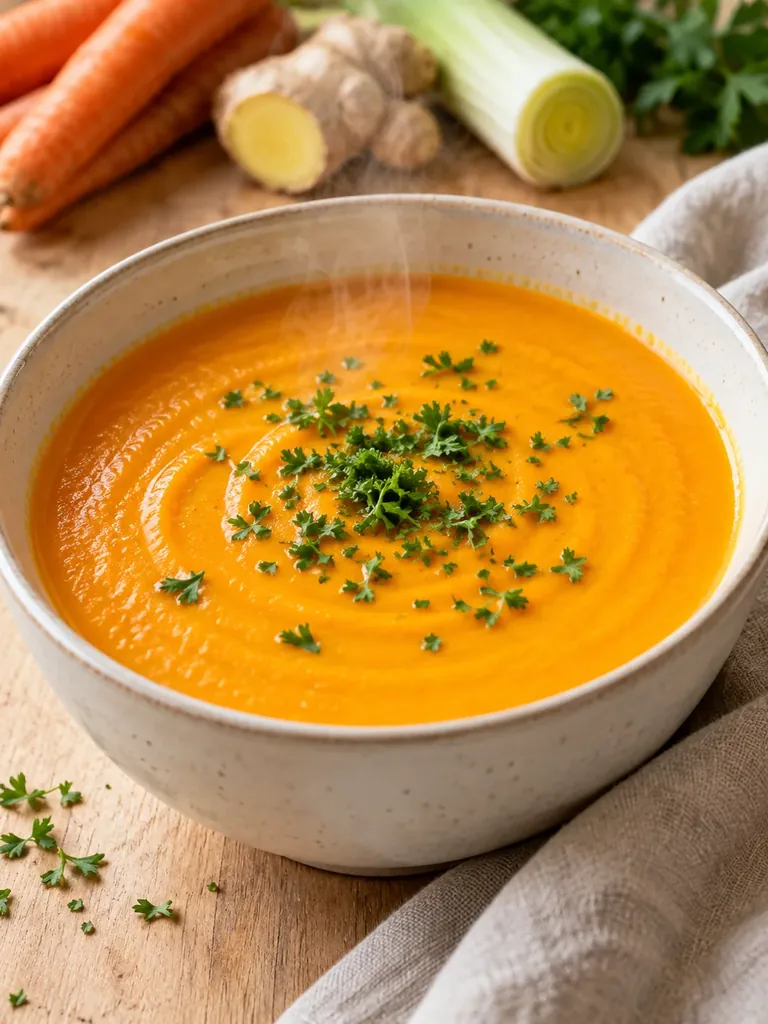
This bright orange soup is the classic soothing choice for cold days. Carrots turn sweet and velvety as they cook, and fresh ginger adds gentle warmth. Ginger has long been used to settle the stomach and ease mild nausea.
Prep time: 10 minutes | Cook time: 30 minutes | Total time: 40 minutes | Serves: 4 | Approx. calories: 130 per serving
INGREDIENTS
1 tablespoon butter or olive oil
1 small leek, white and light green parts, sliced and well rinsed
1 lb (450 g) carrots, peeled and sliced (about 6 medium)
1 tablespoon fresh ginger, finely grated
4 cups low-sodium vegetable broth
½ cup whole or 2% milk
½ teaspoon salt, or to taste
Pinch of ground turmeric (optional)
Chopped fresh parsley, to serve
INSTRUCTIONS
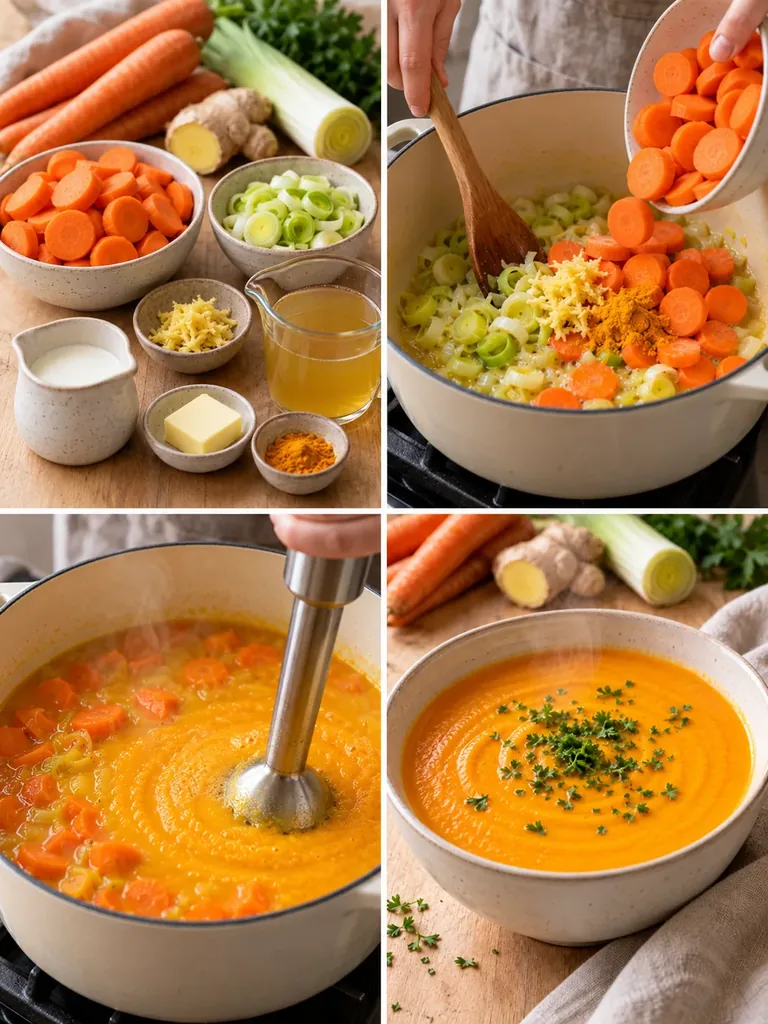
Warm the butter in a large pot over medium-low heat. Add the leek and cook for 5 to 6 minutes, stirring often, until soft but not browned.
Add the carrots, ginger and turmeric. Stir for 2 minutes so the ginger releases its aroma.
Pour in the broth and bring to a boil. Lower the heat, cover and simmer for 25 minutes, until a carrot slice breaks apart easily with a spoon.
Take the pot off the heat and blend with an immersion blender until completely smooth.
Stir in the milk and warm gently over low heat without boiling. Season with salt and top with parsley.
HEALTH BENEFITS
Carrots are rich in beta-carotene, which the body converts to vitamin A for eye health and immune function.
Ginger is traditionally used to ease nausea and support comfortable digestion.
A large share of each bowl is fluid, which helps with winter hydration.
Digestion Note
Why it’s gentle on digestion: Well-cooked, blended carrots are low in harsh fibers, and leek gives onion flavor with less bite.
Cooking Tip
Tip: Freeze the soup before adding the milk. Stir the milk in after reheating for the smoothest texture.
2. Creamy Butternut Squash Soup
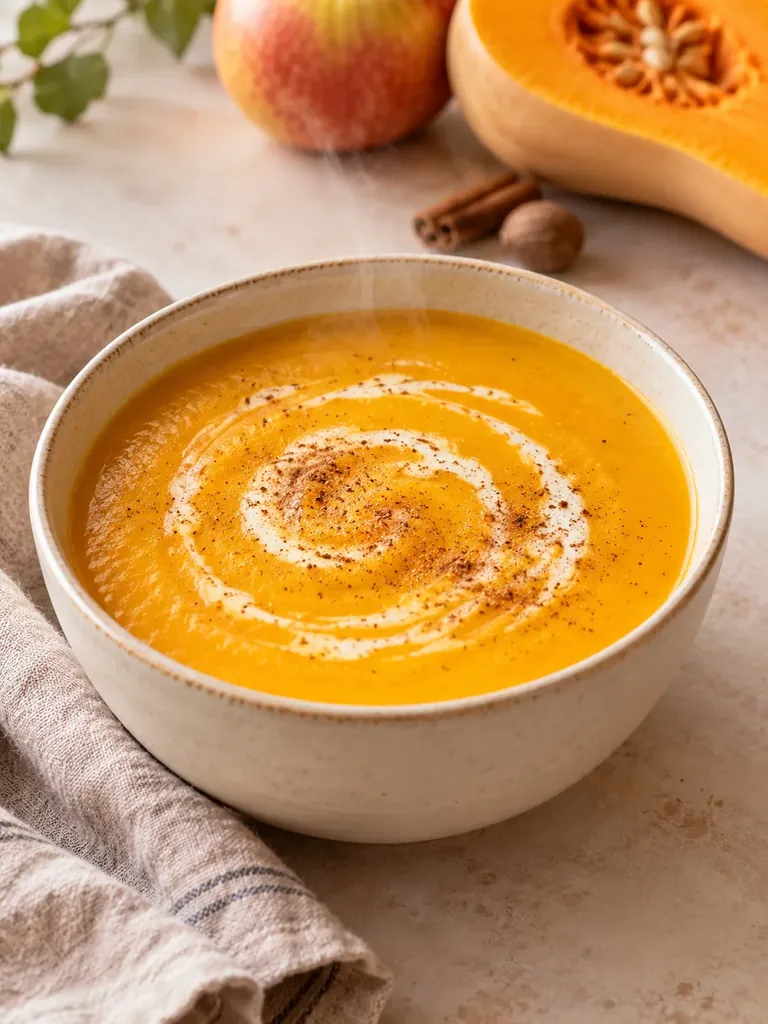
Butternut squash blends into a naturally creamy soup with no cream at all. A peeled apple adds soft sweetness, and a pinch of cinnamon and nutmeg makes it taste like the holidays.
Prep time: 10 minutes | Cook time: 30 minutes | Total time: 40 minutes | Serves: 4 | Approx. calories: 150 per serving
INGREDIENTS
1 tablespoon olive oil or butter
¼ small onion or ½ leek, finely chopped
4 cups butternut squash cubes (about 1½ lb / 680 g)
1 medium apple, peeled, cored and chopped
4 cups low-sodium vegetable broth
¼ teaspoon ground cinnamon
Small pinch of ground nutmeg
¼ cup milk (optional)
Salt to taste
INSTRUCTIONS

Heat the oil in a large pot over medium-low heat. Cook the onion or leek for 4 to 5 minutes until soft.
Add the squash, apple, cinnamon and nutmeg and stir for 1 minute.
Pour in the broth, bring to a boil, then cover and simmer for 20 to 25 minutes, until the squash is very tender.
Blend until silky smooth.
Stir in the milk if using, season with salt and warm through.
HEALTH BENEFITS
Butternut squash provides vitamin A, vitamin C and potassium.
Its soft, mostly soluble fiber supports regularity without being harsh.
Natural sweetness from squash and apple means no added sugar is needed.
Digestion Note
Why it’s gentle on digestion: Squash is one of the mildest winter vegetables and rarely causes gas or bloating.
Cooking Tip
Tip: Buy pre-cut or frozen squash cubes. Peeling a whole squash is hard on arthritic hands.
3. Silky Potato Leek Soup
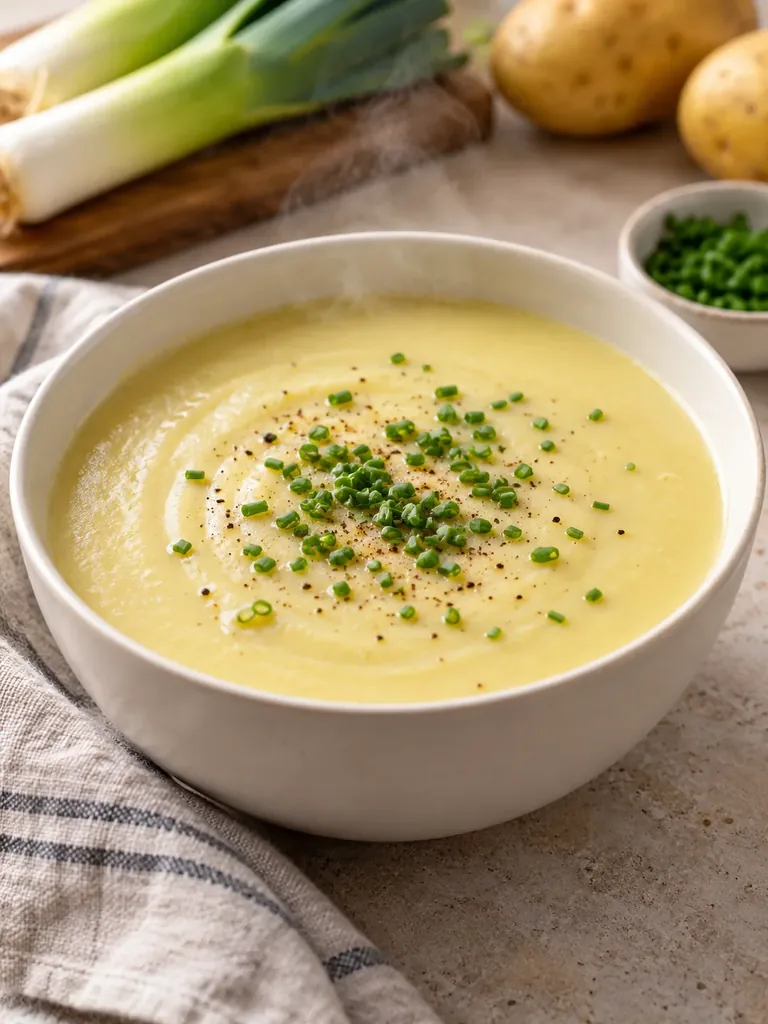
Potato leek soup is mild, filling and about as gentle as soup gets. It is a French bistro classic that needs only a handful of everyday ingredients.
Prep time: 15 minutes | Cook time: 35 minutes | Total time: 50 minutes | Serves: 4 to 5 | Approx. calories: 190 per serving
INGREDIENTS
1 tablespoon butter
2 medium leeks, white and light green parts, sliced and well rinsed
3 medium Yukon Gold potatoes, peeled and cubed (about 1¼ lb / 570 g)
5 cups low-sodium vegetable broth
1 bay leaf
½ cup milk
Salt and a pinch of white pepper
Chopped chives, to serve
INSTRUCTIONS
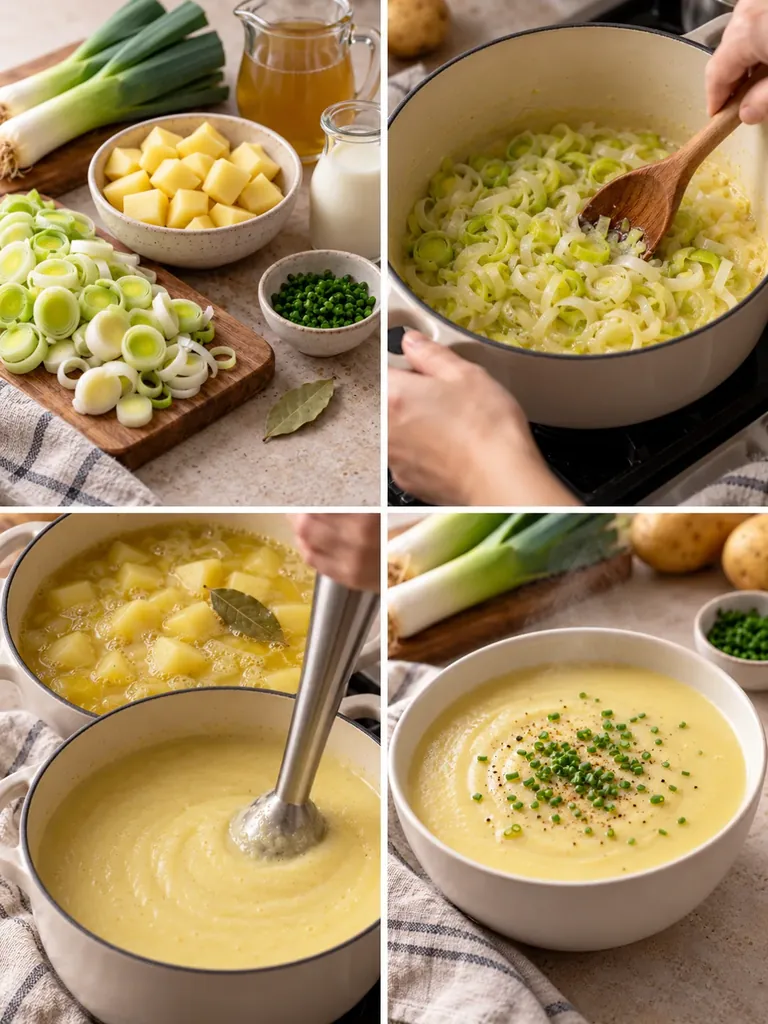
Melt the butter in a large pot over low heat. Add the leeks with a pinch of salt and cook slowly for 10 minutes, stirring often, until very soft. Do not let them brown.
Add the potatoes, broth and bay leaf. Bring to a boil, then lower the heat and simmer for 20 minutes, until the potatoes are falling apart.
Remove the bay leaf and blend until smooth, or mash for a slightly chunky texture.
Stir in the milk, season with salt and white pepper, and heat gently.
Serve topped with chives.
HEALTH BENEFITS
Potatoes supply potassium, vitamin C and energy-giving carbohydrates.
Leeks contain prebiotic fiber that feeds helpful gut bacteria.
It is filling and satisfying in a small portion, which helps when appetite is low.
Digestion Note
Why it’s gentle on digestion: Slowly cooked leeks are much milder than fried onions, and blended potato is soft and soothing.
Cooking Tip
Tip: Rinse sliced leeks in a bowl of water. Grit sinks to the bottom, and you can lift the clean leeks out.
4. Red Lentil Soup
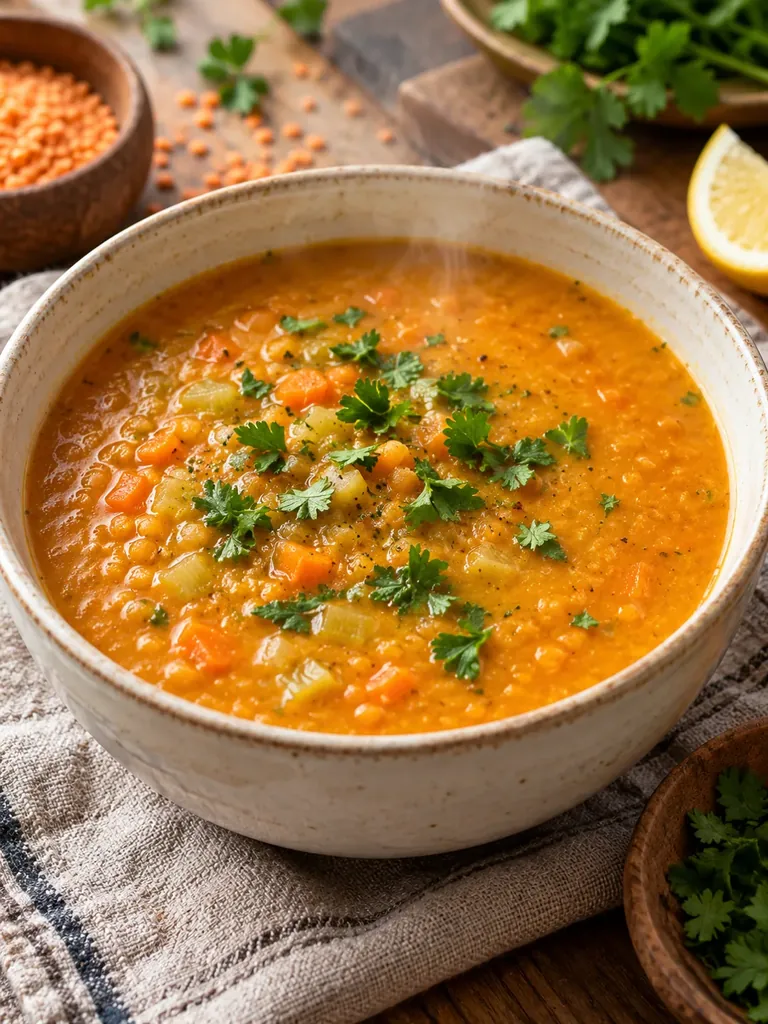
Split red lentils cook in about 20 minutes and melt into a soft, golden soup. It is one of the easiest ways to add plant protein to a winter meal.
Prep time: 10 minutes | Cook time: 25 minutes | Total time: 35 minutes | Serves: 4 | Approx. calories: 220 per serving
INGREDIENTS
1 tablespoon olive oil
1 medium carrot, finely diced
1 celery stalk, finely diced
1 cup split red lentils, rinsed until the water runs clear
½ teaspoon ground cumin
½ teaspoon ground turmeric
5 cups low-sodium vegetable broth
1 tablespoon lemon juice
Salt to taste
Fresh parsley or coriander, chopped
INSTRUCTIONS

Heat the oil in a pot over medium heat. Cook the carrot and celery for 5 minutes until starting to soften.
Stir in the cumin and turmeric for 30 seconds.
Add the lentils and broth. Bring to a boil, skim off any foam, then simmer partly covered for 20 to 25 minutes, until the lentils have broken down.
Whisk well or blend for a smoother soup.
Stir in the lemon juice, season with salt and sprinkle with herbs.
HEALTH BENEFITS
Each serving provides roughly 12 grams of plant protein.
Lentils are high in fiber, folate and iron.
Fiber from lentils helps support regularity and steady blood sugar.
Digestion Note
Why it’s gentle on digestion: Red lentils are split and hulled, so they cook down softer and are usually gentler than whole beans.
Cooking Tip
Tip: Rinsing lentils well and skimming the foam can help reduce gassiness.
5. Moong Dal Soup
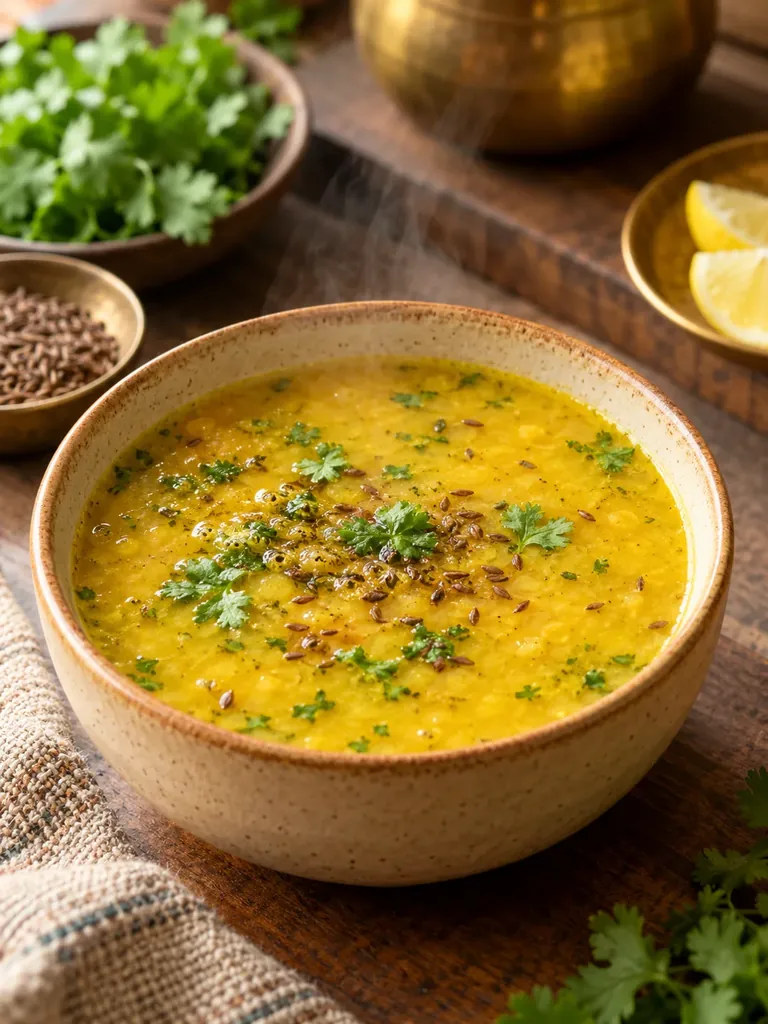
In Indian homes, yellow moong dal soup is the go-to meal for anyone recovering from illness or with an upset stomach. It is light, warming and one of the easiest legumes to digest.
Prep time: 5 minutes | Cook time: 25 minutes | Total time: 30 minutes (plus 30 minutes soaking) | Serves: 3 | Approx. calories: 160 per serving
INGREDIENTS
½ cup split yellow moong dal
4 cups water
¼ teaspoon ground turmeric
½-inch piece fresh ginger, grated
1 teaspoon ghee or butter
½ teaspoon cumin seeds
Small pinch of asafoetida (hing), optional
½ teaspoon salt, or to taste
1 teaspoon lemon juice
Fresh coriander leaves
INSTRUCTIONS

Rinse the dal 2 to 3 times and soak in water for 30 minutes. Drain.
Add the dal, 4 cups of water, turmeric and ginger to a pot. Bring to a boil, then simmer for 20 to 25 minutes, until completely soft. Or pressure cook for 3 whistles.
Whisk the dal until smooth, adding hot water if it is too thick.
In a small pan, warm the ghee. Add the cumin seeds and let them sizzle for a few seconds, then add the asafoetida.
Pour this over the soup, add salt and lemon juice, and garnish with coriander.
HEALTH BENEFITS
Moong dal is a good source of plant protein, folate and potassium.
Cumin and asafoetida are traditionally used in Indian cooking to reduce gas.
It is light enough to eat when appetite is very low.
Digestion Note
Why it’s gentle on digestion: Split moong is considered the most easily digested lentil in Indian and Ayurvedic cooking.
Cooking Tip
Tip: Many asafoetida powders are blended with wheat flour. Choose a gluten-free brand if you avoid gluten.
6. Zucchini Basil Soup
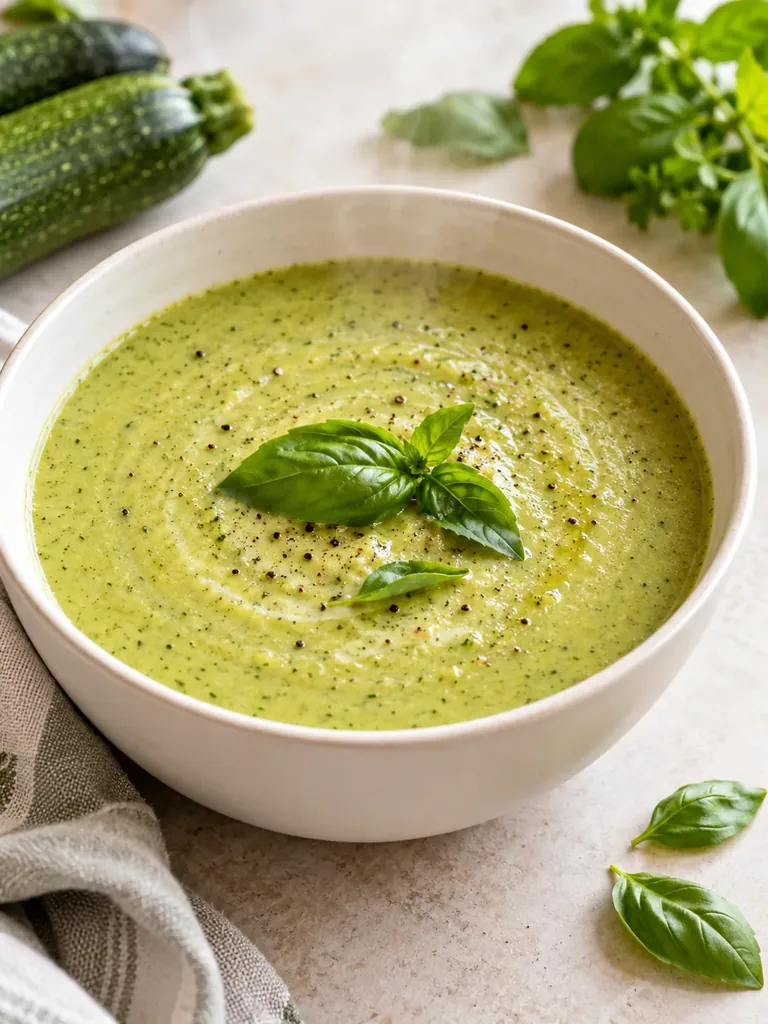
Zucchini is mostly water and turns pale green and creamy when blended. Fresh basil makes this soup taste bright even in the middle of winter.
Prep time: 10 minutes | Cook time: 20 minutes | Total time: 30 minutes | Serves: 4 | Approx. calories: 110 per serving
INGREDIENTS
1 tablespoon olive oil
½ small leek or 2 scallions (green parts), sliced
3 medium zucchini, peeled and sliced (about 1½ lb / 680 g)
1 small potato, peeled and cubed
3 cups low-sodium vegetable broth
A handful of fresh basil leaves
2 tablespoons plain yogurt or grated Parmesan
Salt to taste
INSTRUCTIONS
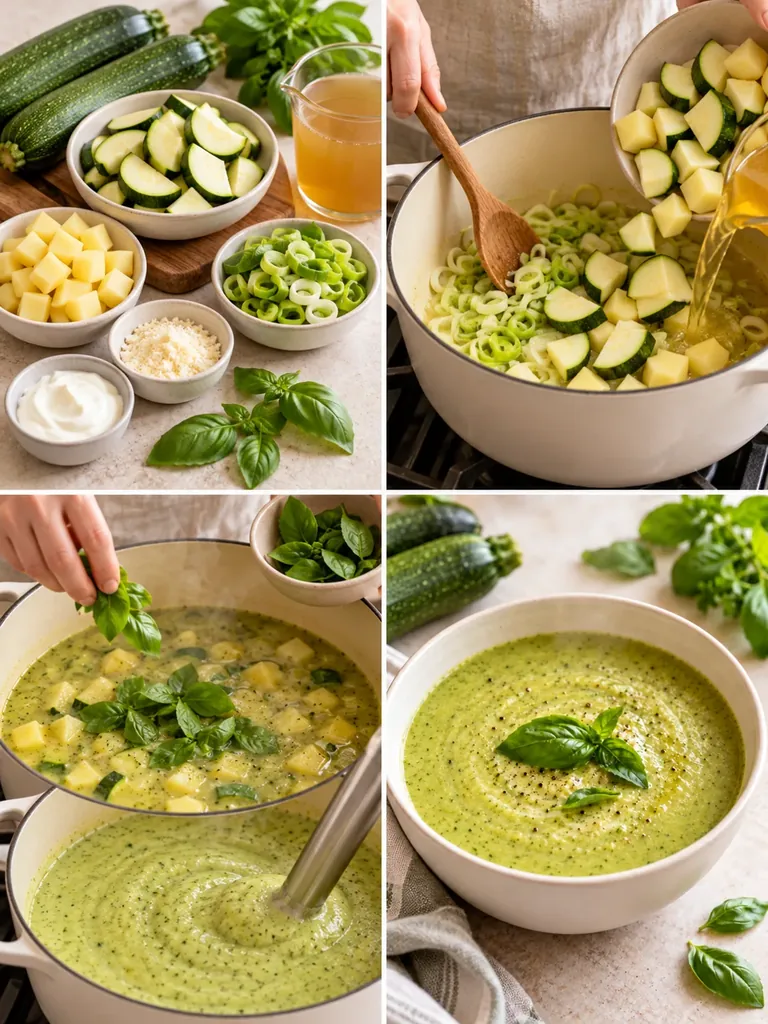
Warm the oil in a pot over medium-low heat and cook the leek for 3 to 4 minutes.
Add the zucchini, potato and broth. Bring to a boil, then simmer for 15 minutes, until the potato is soft.
Turn off the heat, add the basil and blend until smooth.
Stir in the yogurt or Parmesan and season with salt.
HEALTH BENEFITS
Zucchini is low in calories and provides vitamin C and potassium.
The high water content helps with hydration.
Yogurt adds protein and calcium.
Digestion Note
Why it’s gentle on digestion: Peeled zucchini is very low in rough fiber, making this one of the lightest soups on the list.
Cooking Tip
Tip: If using Parmesan, look for a vegetarian Parmesan-style cheese made without animal rennet.
7. Sweet Potato Coconut Soup
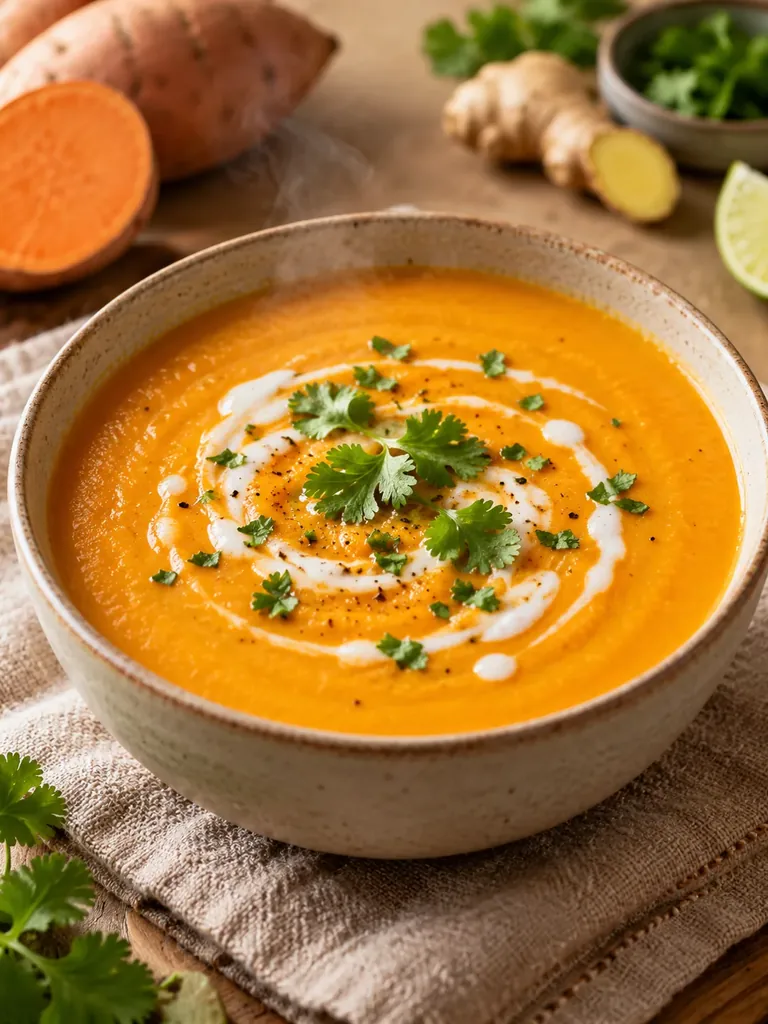
Sweet potatoes bring natural sweetness and a velvety texture. A little light coconut milk and ginger turn them into a cozy, slightly tropical bowl.
Prep time: 10 minutes | Cook time: 25 minutes | Total time: 35 minutes | Serves: 4 | Approx. calories: 200 per serving
INGREDIENTS
1 tablespoon olive oil or coconut oil
1 teaspoon fresh ginger, grated
2 large sweet potatoes, peeled and cubed (about 1½ lb / 680 g)
3 cups low-sodium vegetable broth
½ cup light coconut milk
1 teaspoon lime juice
Salt to taste
Fresh coriander, to serve
INSTRUCTIONS

Heat the oil in a pot over medium-low heat and cook the ginger for 30 seconds.
Add the sweet potatoes and broth. Bring to a boil, then cover and simmer for 20 minutes, until very tender.
Blend until smooth.
Stir in the coconut milk and lime juice, season with salt and heat gently.
HEALTH BENEFITS
Sweet potatoes are an excellent source of beta-carotene and fiber.
They provide potassium, which supports healthy blood pressure.
Their fiber and natural sugars give steady, comforting energy.
Digestion Note
Why it’s gentle on digestion: Cooked, peeled sweet potato is soft and mild, and the ginger adds stomach-settling warmth.
Cooking Tip
Tip: Microwave whole sweet potatoes until soft, scoop out the flesh and blend it into hot broth. No peeling or chopping needed.
8. Creamy Cauliflower Soup
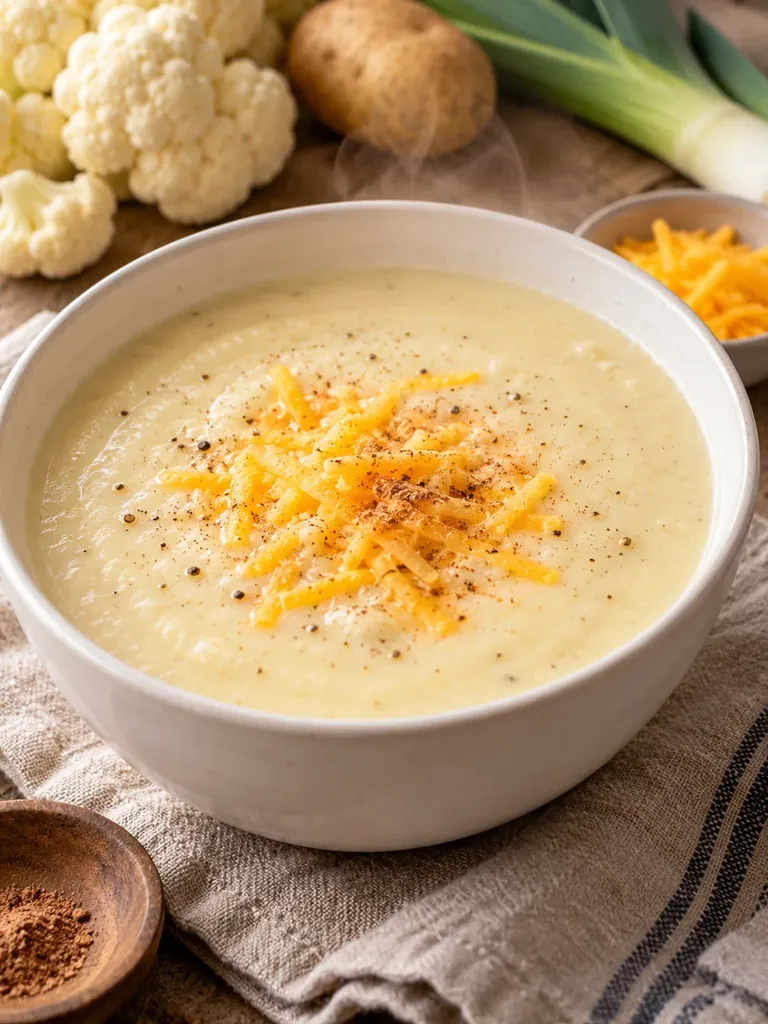
When cauliflower is cooked until very tender and blended, it tastes creamy and comforting without any heavy cream.
Prep time: 10 minutes | Cook time: 25 minutes | Total time: 35 minutes | Serves: 4 | Approx. calories: 140 per serving
INGREDIENTS
1 tablespoon butter
½ leek, sliced (optional)
1 medium head cauliflower, cut into florets (about 5 cups)
1 small potato, peeled and cubed
4 cups low-sodium vegetable broth
½ cup milk
Salt and a pinch of nutmeg
2 tablespoons shredded mild cheddar (optional)
INSTRUCTIONS

Melt the butter in a pot over medium-low heat and cook the leek for 4 minutes.
Add the cauliflower, potato and broth. Bring to a boil, then simmer for 20 minutes, until the cauliflower is very soft.
Blend until silky.
Stir in the milk, season with salt and nutmeg, and warm through.
Top with a little cheddar if you like.
HEALTH BENEFITS
Cauliflower provides vitamin C, vitamin K and folate.
It is low in calories but filling.
Milk adds calcium and protein for bone and muscle health.
Digestion Note
Why it’s gentle on digestion: Cooking cauliflower thoroughly makes it much easier to digest than raw or lightly steamed cauliflower.
Cooking Tip
Tip: Frozen cauliflower florets work perfectly and save on cutting.
9. Pumpkin Sage Soup
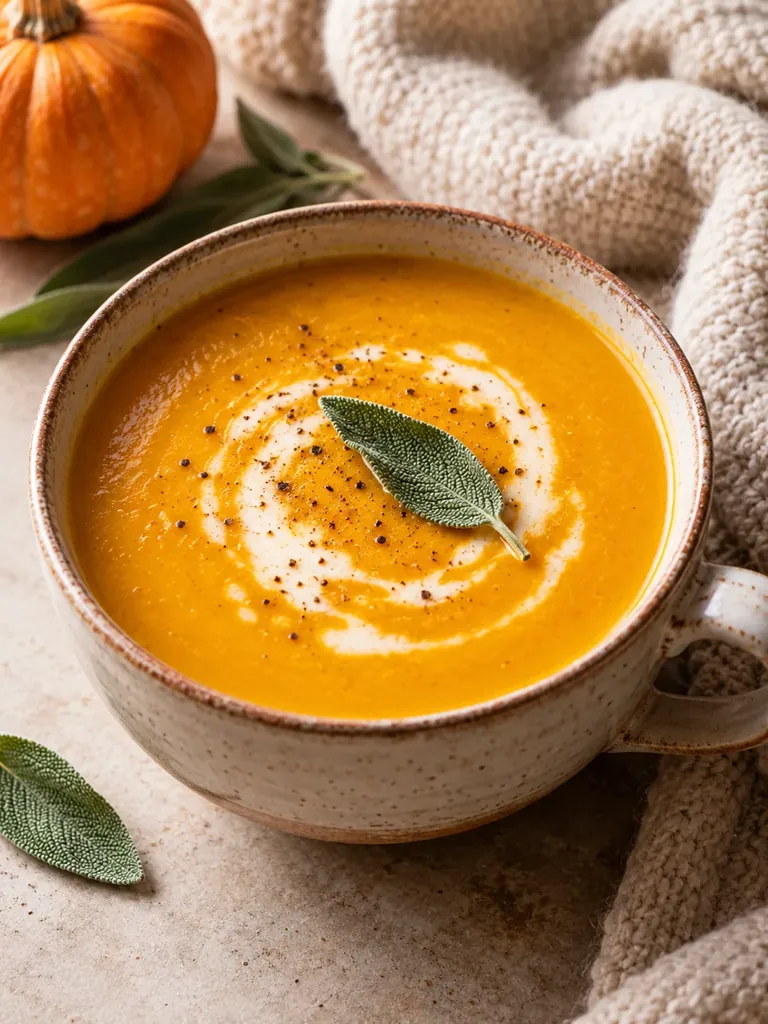
This is one of the fastest soups on the list. Canned pumpkin and a few sage leaves become a cozy autumn-to-winter soup in about 15 minutes.
Prep time: 5 minutes | Cook time: 15 minutes | Total time: 20 minutes | Serves: 3 to 4 | Approx. calories: 120 per serving
INGREDIENTS
1 tablespoon butter
4 fresh sage leaves (or ¼ teaspoon dried sage)
1 can (15 oz / 425 g) plain pumpkin purée, not pie filling
3 cups low-sodium vegetable broth
Pinch of ground nutmeg
¼ cup milk
Salt to taste
INSTRUCTIONS
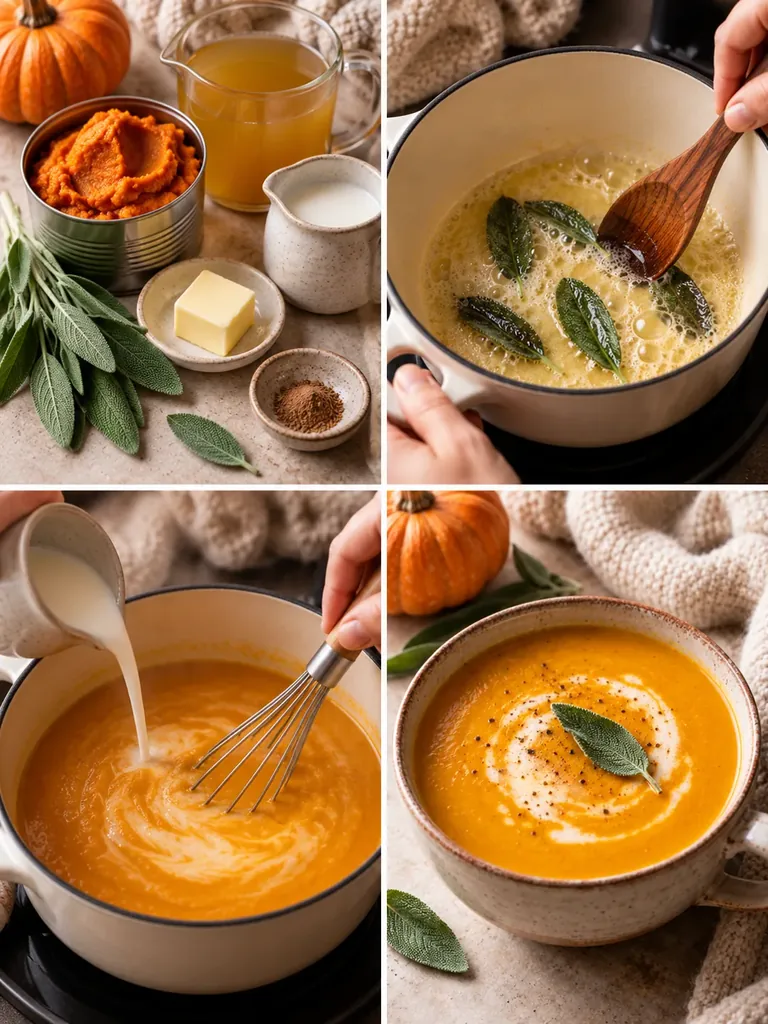
Melt the butter in a pot over low heat and add the sage leaves. Let them sizzle gently for 1 minute.
Whisk in the pumpkin, broth and nutmeg. Bring to a simmer and cook for 10 minutes.
Remove the sage leaves and stir in the milk.
Season with salt and serve.
HEALTH BENEFITS
Pumpkin is rich in vitamin A and provides fiber and potassium.
It is low in calories but satisfying.
Ready in 15 minutes, it is ideal for low-energy days.
Digestion Note
Why it’s gentle on digestion: Pumpkin purée is already soft and smooth, so there is nothing tough to break down.
Cooking Tip
Tip: Keep a few cans of pumpkin in the pantry for days when you cannot get to the store.
[In-article image: pumpkin soup in a mug next to a warm blanket]
10. Vegetable Rice Congee
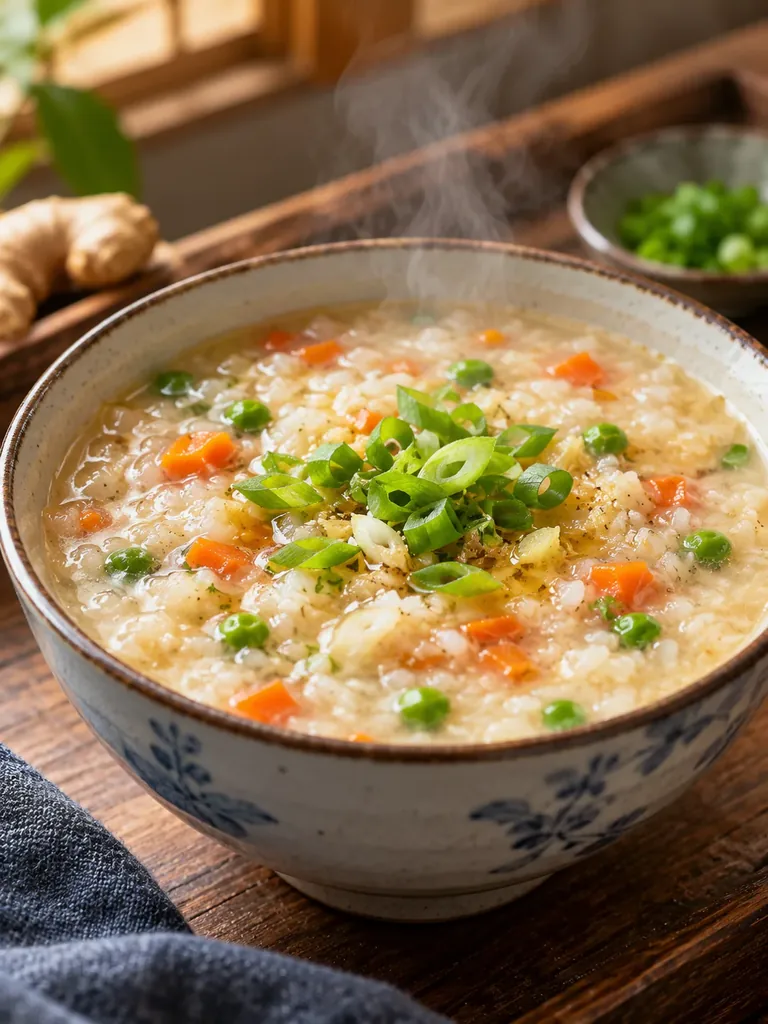
Congee, or rice porridge soup, is eaten across Asia when someone feels unwell. Rice simmered in plenty of liquid breaks down into a thick, soothing soup.
Prep time: 5 minutes | Cook time: 1 hour 10 minutes | Total time: 1 hour 15 minutes | Serves: 4 | Approx. calories: 150 per serving
INGREDIENTS
½ cup white jasmine or long-grain rice, rinsed
6 cups low-sodium vegetable broth or water
4 thin slices fresh ginger
1 small carrot, finely diced
½ cup frozen peas
1 teaspoon low-sodium soy sauce
1 teaspoon toasted sesame oil (optional)
Sliced scallion greens, to serve
INSTRUCTIONS
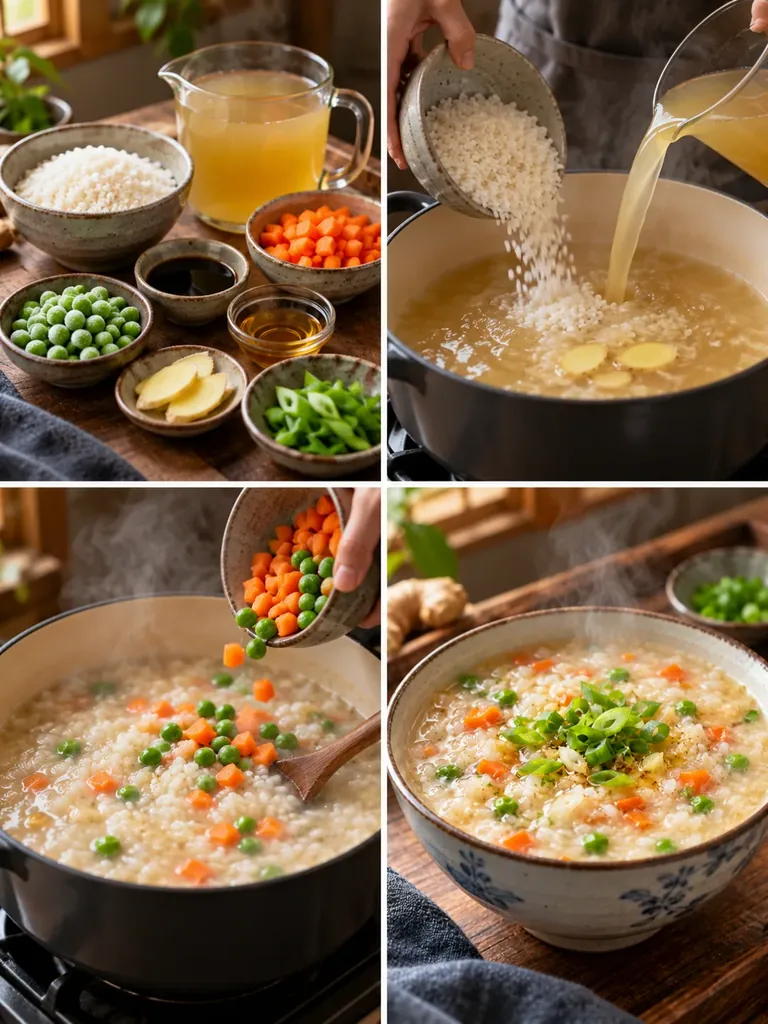
Place the rice, broth and ginger in a heavy pot. Bring to a boil.
Lower the heat, partly cover and simmer for 60 minutes, stirring every 10 to 15 minutes so it does not stick, until thick and creamy.
Add the carrot and peas and cook for another 10 to 15 minutes.
Remove the ginger slices. Stir in the soy sauce and sesame oil.
Serve topped with scallion greens.
HEALTH BENEFITS
White rice provides easily digested energy.
It is very hydrating because of its high liquid content.
It is a gentle way to eat when recovering from a cold or stomach upset.
Digestion Note
Why it’s gentle on digestion: Long-cooked rice is one of the blandest, easiest-to-digest foods there is.
Cooking Tip
Tip: For no stirring at all, cook it in a slow cooker on low for 6 to 8 hours.
11. Gentle Minestrone
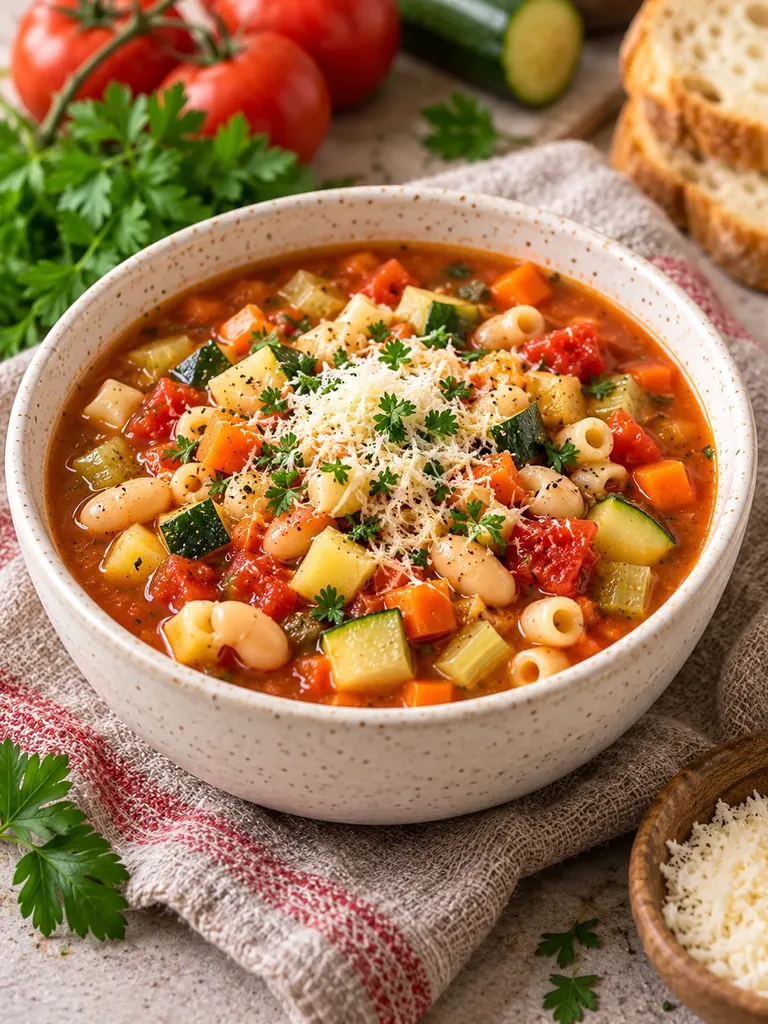
Traditional minestrone is hearty but can be heavy on beans and cabbage. This softer version keeps the comforting Italian flavor with easier ingredients.
Prep time: 15 minutes | Cook time: 35 minutes | Total time: 50 minutes | Serves: 6 | Approx. calories: 170 per serving
INGREDIENTS
1 tablespoon olive oil
1 carrot, diced
1 celery stalk, diced
1 small zucchini, diced
1 medium potato, peeled and diced
1 cup tomato purée (passata)
6 cups low-sodium vegetable broth
1 teaspoon dried Italian herbs
½ cup small pasta such as ditalini (egg-free)
¼ cup canned cannellini beans, well rinsed (optional)
Salt to taste
Grated vegetarian Parmesan-style cheese, to serve
INSTRUCTIONS

Heat the oil in a large pot over medium heat. Cook the carrot and celery for 5 minutes.
Add the zucchini, potato, tomato purée, broth and herbs. Bring to a boil, then simmer for 20 minutes.
Add the pasta and beans and cook for 10 to 12 minutes, until the pasta is very soft.
Season with salt and serve with a little cheese.
HEALTH BENEFITS
It provides several vegetables in one bowl, giving a wide mix of vitamins.
Tomatoes provide lycopene, an antioxidant.
Pasta and beans make it filling enough for a full meal.
Digestion Note
Why it’s gentle on digestion: This version uses soft vegetables and only a small amount of well-rinsed beans.
Cooking Tip
Tip: Cook the pasta separately and add it to each bowl, so it does not soak up all the broth in leftovers.
12. Low-Acid Creamy Tomato Soup
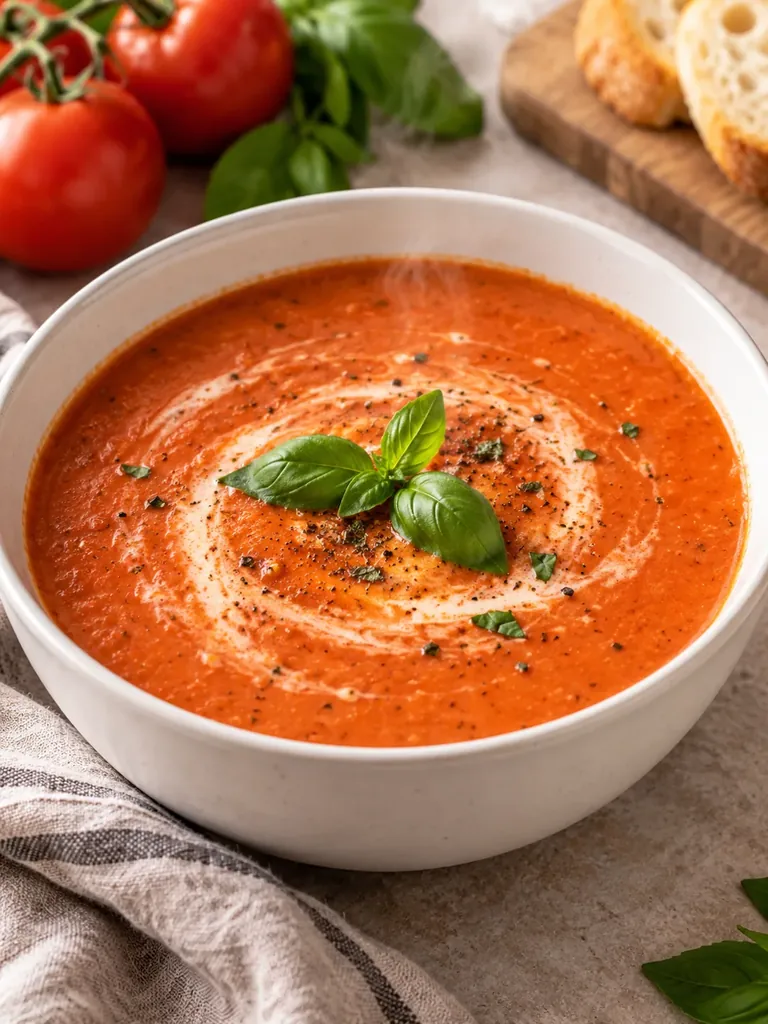
Tomato soup is a favorite, but its acidity can trigger heartburn. Grated carrot and a little milk mellow the sharpness and keep all the comfort.
Prep time: 10 minutes | Cook time: 25 minutes | Total time: 35 minutes | Serves: 4 | Approx. calories: 140 per serving
INGREDIENTS
1 tablespoon butter or olive oil
2 medium carrots, grated
1 can (28 oz / 800 g) crushed tomatoes
2 cups low-sodium vegetable broth
½ teaspoon dried basil
Small pinch of baking soda (about ⅛ teaspoon)
½ cup milk
Salt to taste
INSTRUCTIONS
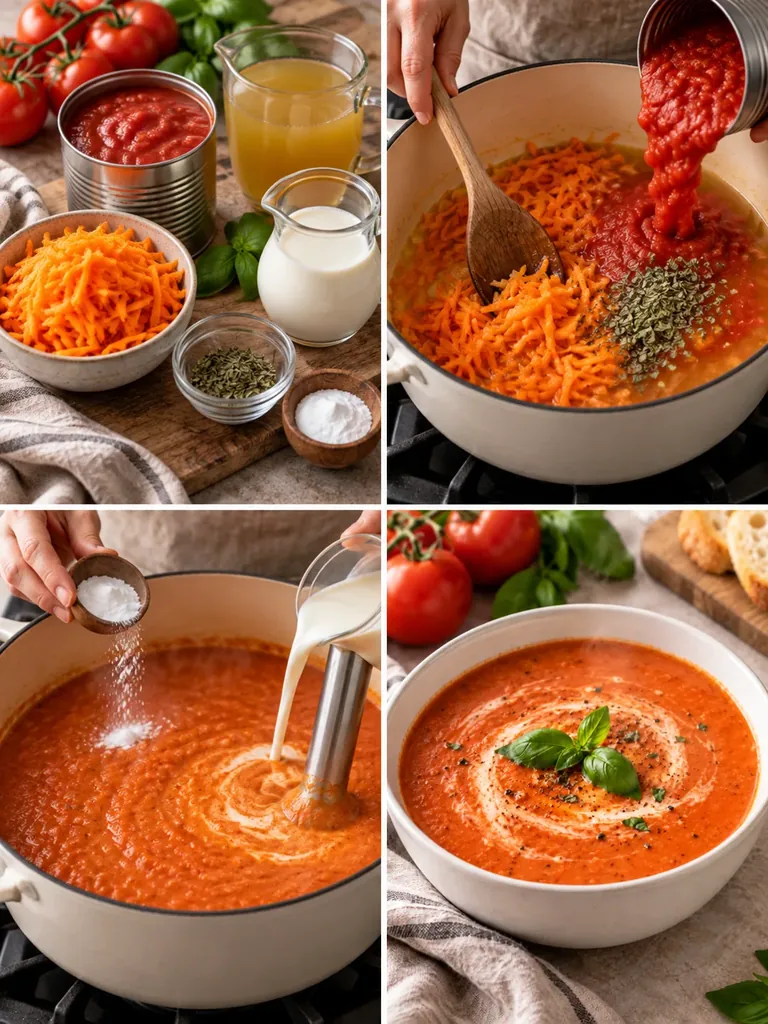
Warm the butter in a pot over medium-low heat and cook the carrots for 5 minutes until soft.
Add the tomatoes, broth and basil. Bring to a boil, then simmer for 20 minutes.
Stir in the baking soda. It will foam briefly as it lowers the acidity.
Blend until smooth, then stir in the milk.
Season with salt and warm gently.
HEALTH BENEFITS
Cooked tomatoes are a rich source of lycopene, which the body absorbs better when tomatoes are heated.
Carrots add vitamin A and natural sweetness.
Milk adds calcium and protein.
Digestion Note
Why it’s gentle on digestion: Carrot, milk and a pinch of baking soda all reduce the acidity that can bother sensitive stomachs.
Cooking Tip
Tip: Serve with a soft grilled cheese sandwich for a classic winter lunch.
13. Spinach and Pea Soup
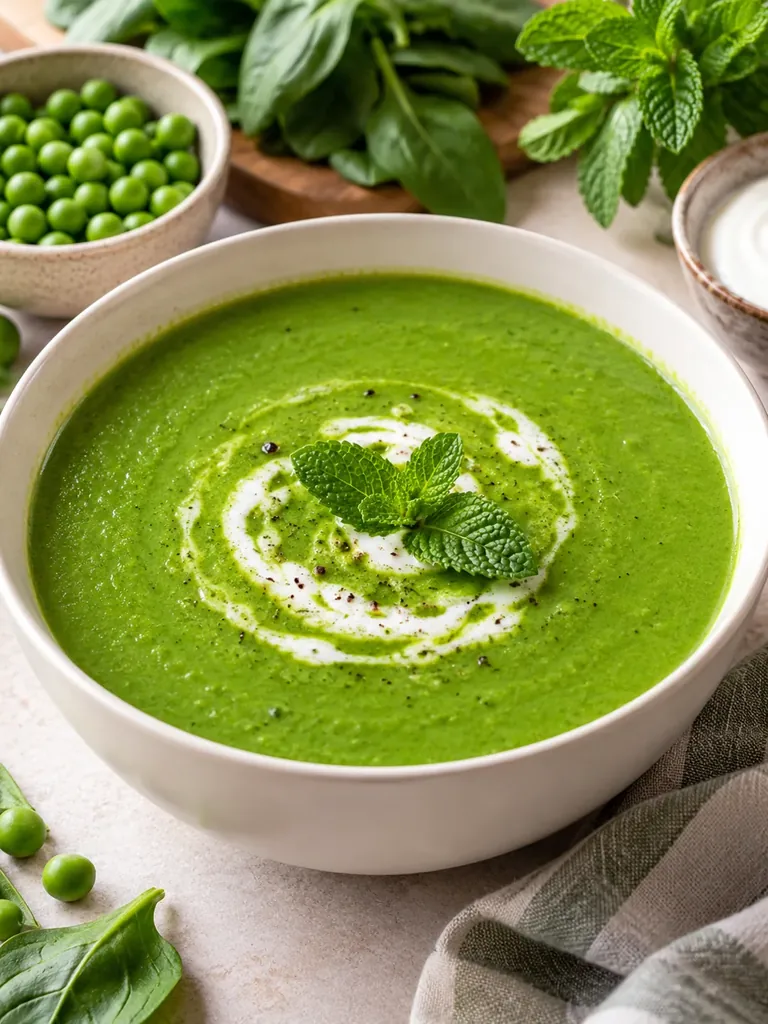
This vivid green soup is fresh-tasting and quick. Frozen peas cook in minutes and blend into a sweet, smooth base.
Prep time: 5 minutes | Cook time: 15 minutes | Total time: 20 minutes | Serves: 4 | Approx. calories: 160 per serving
INGREDIENTS
1 tablespoon olive oil
2 scallions (green parts), sliced
3 cups frozen peas
1 small potato, peeled and diced
4 cups low-sodium vegetable broth
3 handfuls baby spinach (about 3 cups)
4 to 5 fresh mint leaves (optional)
¼ cup plain yogurt
Salt to taste
INSTRUCTIONS
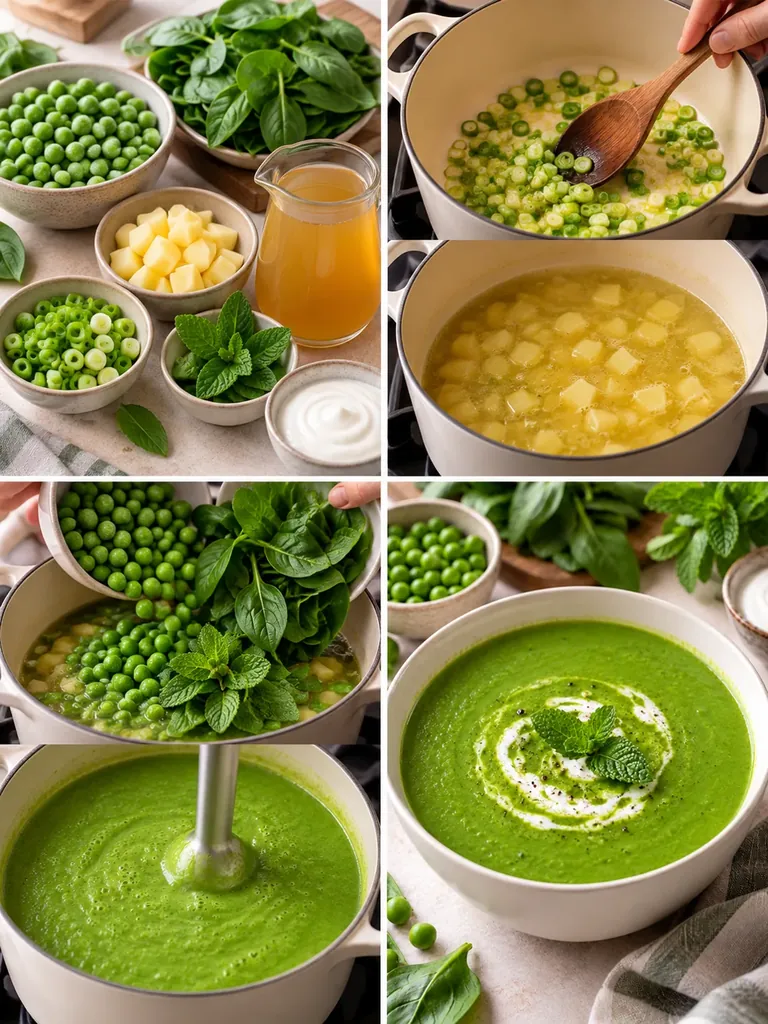
Warm the oil in a pot and cook the scallions for 2 minutes.
Add the potato and broth and simmer for 8 minutes.
Add the peas and cook for 3 to 4 minutes.
Add the spinach and mint and cook for 1 minute, until wilted.
Blend thoroughly until very smooth. Stir in the yogurt and season with salt.
HEALTH BENEFITS
Peas provide plant protein and fiber.
Spinach adds folate, iron and vitamin K.
Yogurt adds protein and calcium.
Digestion Note
Why it’s gentle on digestion: Blending thoroughly breaks down the pea skins, which makes the soup much easier to digest.
Cooking Tip
Tip: Spinach can interact with blood thinners such as warfarin because of its vitamin K. Keep your intake consistent and check with your doctor.
14. Mushroom Barley Soup

This earthy, hearty soup is perfect for days when you want something filling. It is a cozy Eastern European classic made fully vegetarian.
Prep time: 15 minutes | Cook time: 55 minutes | Total time: 1 hour 10 minutes | Serves: 6 | Approx. calories: 190 per serving
INGREDIENTS
2 tablespoons olive oil
8 oz (225 g) mushrooms, sliced
1 carrot, diced
1 celery stalk, diced
½ cup pearl barley, rinsed
6 cups low-sodium vegetable broth
1 sprig fresh thyme or ½ teaspoon dried
1 bay leaf
Salt and pepper to taste
Chopped parsley
INSTRUCTIONS
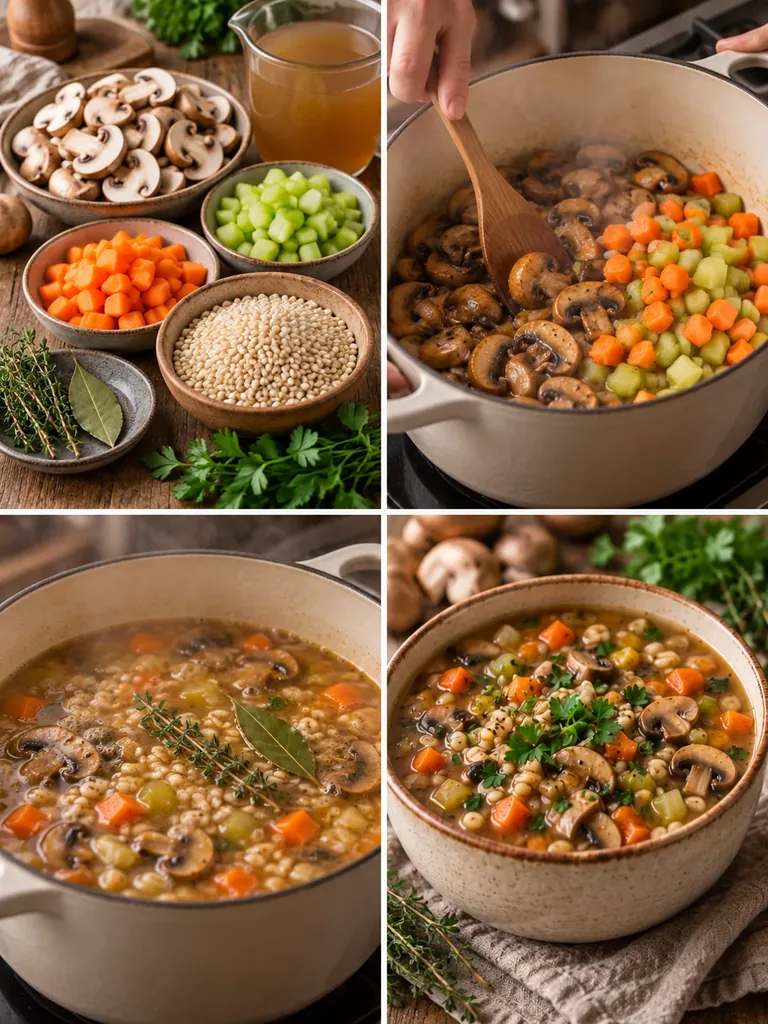
Heat the oil in a large pot over medium heat. Add the mushrooms and cook for 6 to 8 minutes until golden.
Add the carrot and celery and cook for 3 minutes.
Add the barley, broth, thyme and bay leaf. Bring to a boil, then lower the heat and simmer for 45 to 50 minutes, until the barley is soft.
Remove the bay leaf and thyme stem, season and garnish with parsley.
HEALTH BENEFITS
Barley contains beta-glucan, a soluble fiber associated with healthy cholesterol and steadier blood sugar.
Mushrooms provide B vitamins and selenium.
It is filling and satisfying as a full meal.
Digestion Note
Why it’s gentle on digestion: Soft-cooked barley is soothing, but its fiber can take some getting used to.
Cooking Tip
Tip: If you are new to barley, start with a smaller bowl. Barley contains gluten, so it is not suitable for celiac disease.
15. Savory Oat and Vegetable Soup
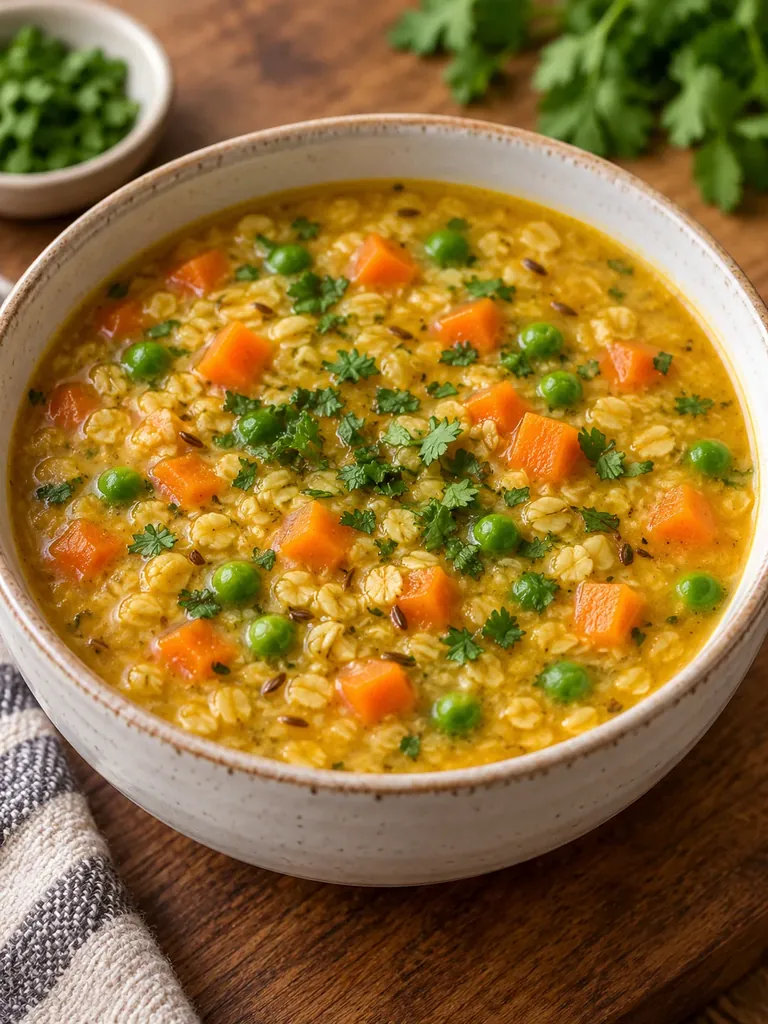
Oats are not just for breakfast. Rolled oats thicken soup naturally and make a quick, warming bowl.
Prep time: 10 minutes | Cook time: 20 minutes | Total time: 30 minutes | Serves: 3 | Approx. calories: 140 per serving
INGREDIENTS
1 teaspoon ghee or olive oil
½ teaspoon cumin seeds
1 small carrot, finely diced
¼ cup frozen peas
⅓ cup rolled oats
4 cups low-sodium vegetable broth or water
¼ teaspoon ground turmeric
Salt and a pinch of black pepper
Chopped coriander or parsley
INSTRUCTIONS
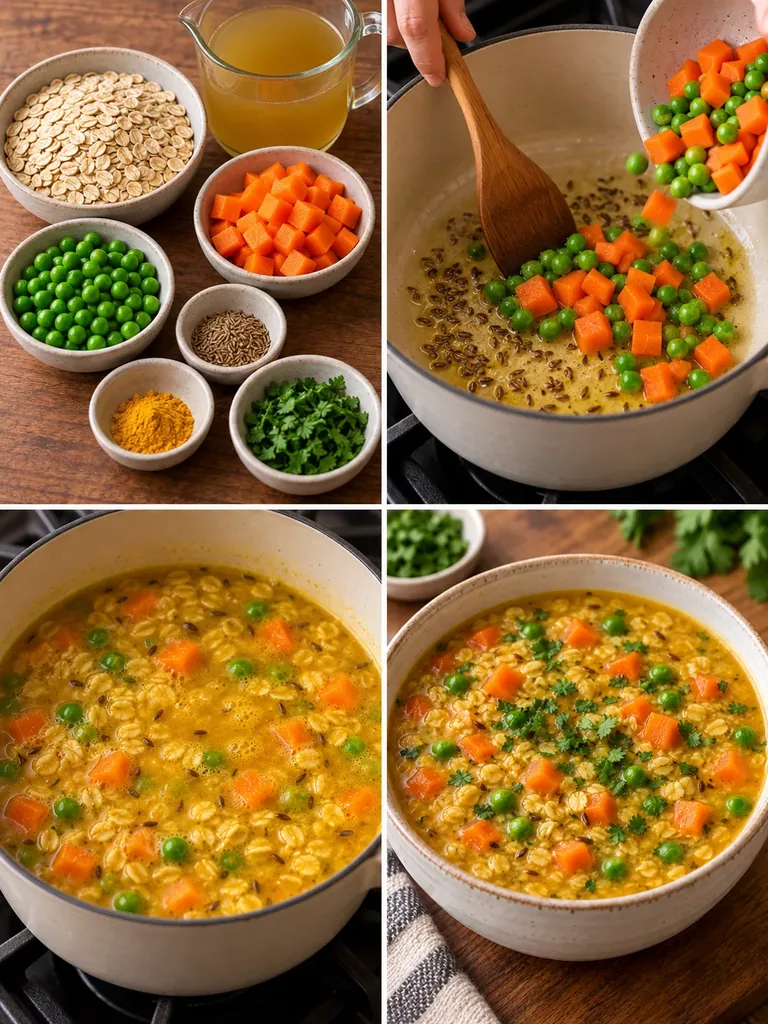
Warm the ghee in a pot. Add the cumin seeds and let them sizzle for a few seconds.
Add the carrot and peas and cook for 2 minutes.
Add the oats, broth and turmeric. Bring to a boil, then simmer for 12 to 15 minutes, stirring often, until the oats are soft and the soup has thickened.
Season and garnish with herbs.
HEALTH BENEFITS
Oats contain beta-glucan fiber, which supports heart health.
Soluble fiber helps with regularity and steady energy.
It is inexpensive and made from pantry staples.
Digestion Note
Why it’s gentle on digestion: Soft-cooked oat fiber is generally gentle on the gut.
Cooking Tip
Tip: This soup thickens as it sits. Thin leftovers with a splash of hot water or broth.
16. Miso Soup with Soft Tofu
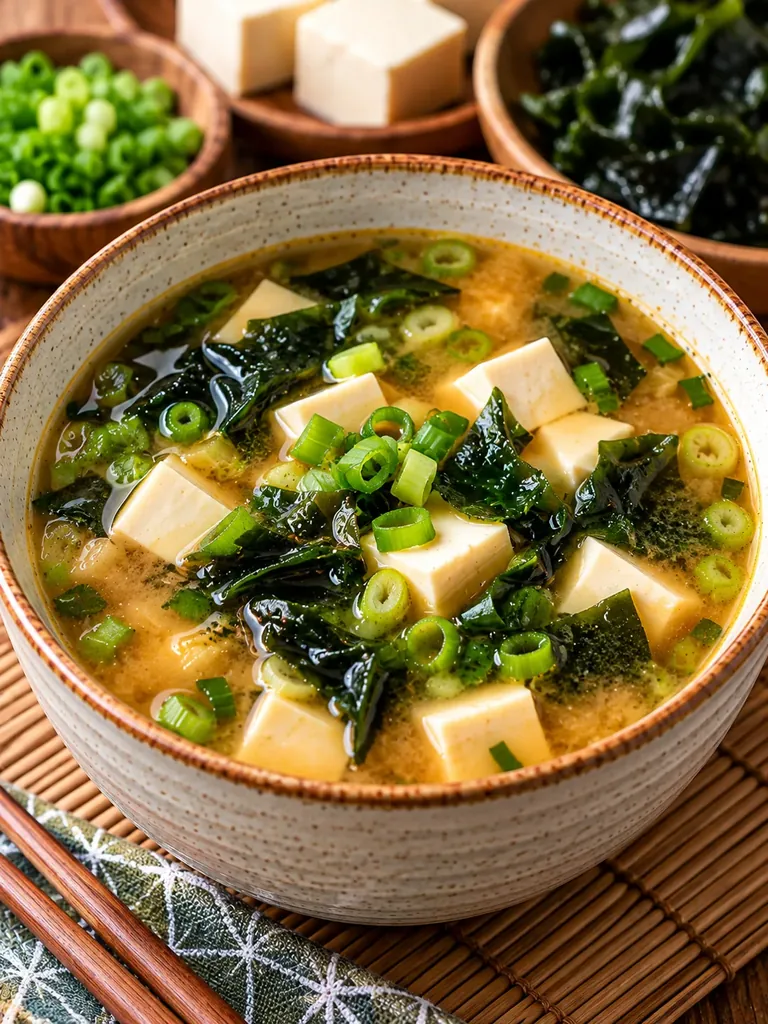
Miso is a fermented soybean paste that brings deep savory flavor. Paired with silken tofu, it makes a light, protein-rich soup that feels restorative.
Prep time: 5 minutes | Cook time: 10 minutes | Total time: 15 minutes (plus 30 minutes soaking) | Serves: 4 | Approx. calories: 110 per serving
INGREDIENTS
1 piece kombu seaweed, about 4 inches
4 cups water
7 oz (200 g) silken tofu, cut into small cubes
1 cup baby spinach
2 to 3 tablespoons white (shiro) miso
1 scallion, green part only, thinly sliced
INSTRUCTIONS
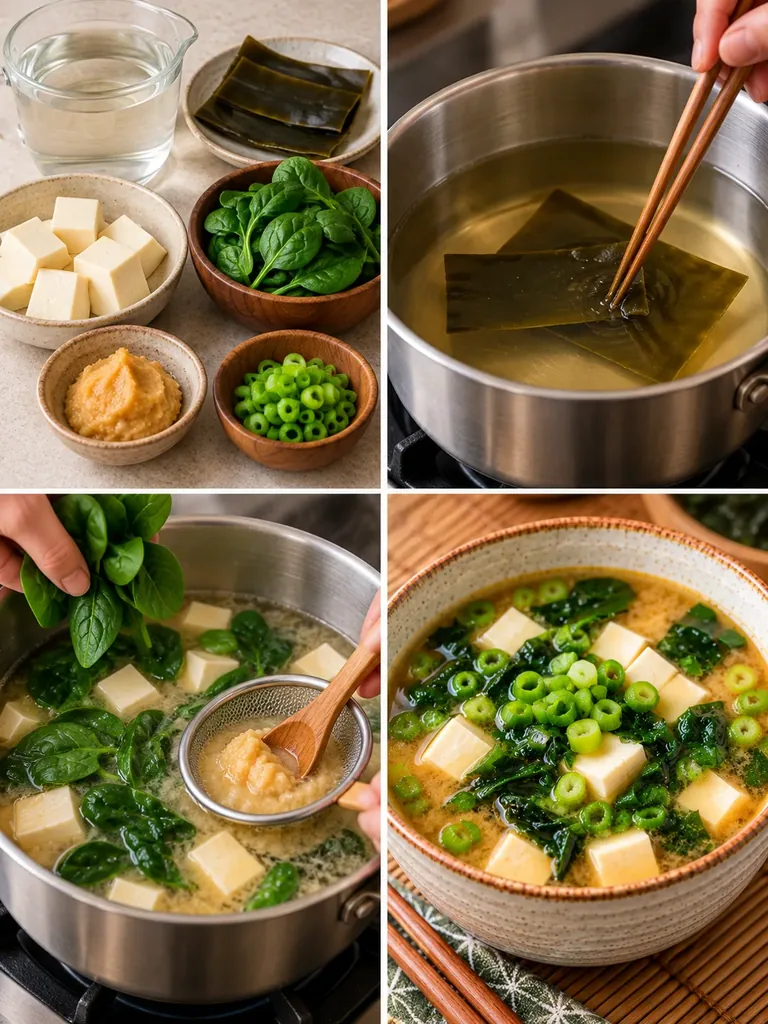
Soak the kombu in the water for 30 minutes.
Heat the pot slowly until small bubbles appear, then remove the kombu just before it boils.
Add the tofu and spinach and heat gently for 2 minutes.
Turn off the heat. Mix the miso with a ladle of the warm broth until smooth, then stir it into the pot.
Serve topped with scallion greens.
HEALTH BENEFITS
Tofu provides complete plant protein and calcium if calcium-set.
Miso is a fermented food, and unpasteurized miso contains live cultures.
It is light enough to eat when you do not feel like a heavy meal.
Digestion Note
Why it’s gentle on digestion: White miso is the mildest type, and silken tofu is very soft and easy to swallow.
Cooking Tip
Tip: Never boil soup after adding miso. Check instant miso labels, since many contain fish-based bonito flakes. Miso is salty, so keep portions modest if you watch sodium.
[In-article image: miso soup with silken tofu cubes and spinach]
17. Ginger Turmeric Sipping Broth
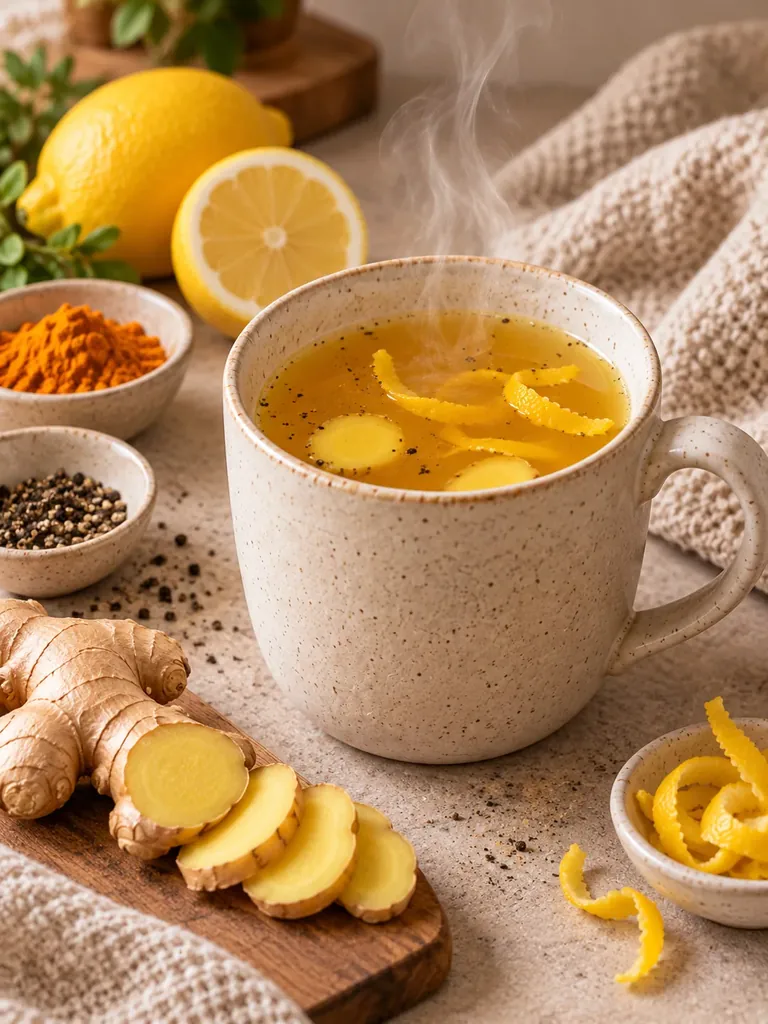
Some days call for something lighter than a full soup. This golden broth can be sipped from a mug between meals to stay warm and hydrated.
Prep time: 5 minutes | Cook time: 15 minutes | Total time: 20 minutes | Serves: 4 mugs | Approx. calories: 25 per serving
INGREDIENTS
4 cups low-sodium vegetable broth
6 thin slices fresh ginger
½ teaspoon ground turmeric
Pinch of black pepper
1 strip lemon peel
1 teaspoon lemon juice
INSTRUCTIONS

Add the broth, ginger, turmeric, black pepper and lemon peel to a small pot.
Bring to a gentle simmer and cook for 15 minutes.
Strain into mugs and stir in the lemon juice.
Sip warm.
HEALTH BENEFITS
It is very hydrating and helps you meet your daily fluid needs.
Ginger is traditionally used to calm the stomach.
Black pepper helps the body absorb curcumin from turmeric.
Digestion Note
Why it’s gentle on digestion: It has no fiber or fat, so it is about as easy on the stomach as food gets.
Cooking Tip
Tip: Keep it in a thermos by your favorite chair so a warm drink is always within reach.
18. Creamy Celery Root Soup
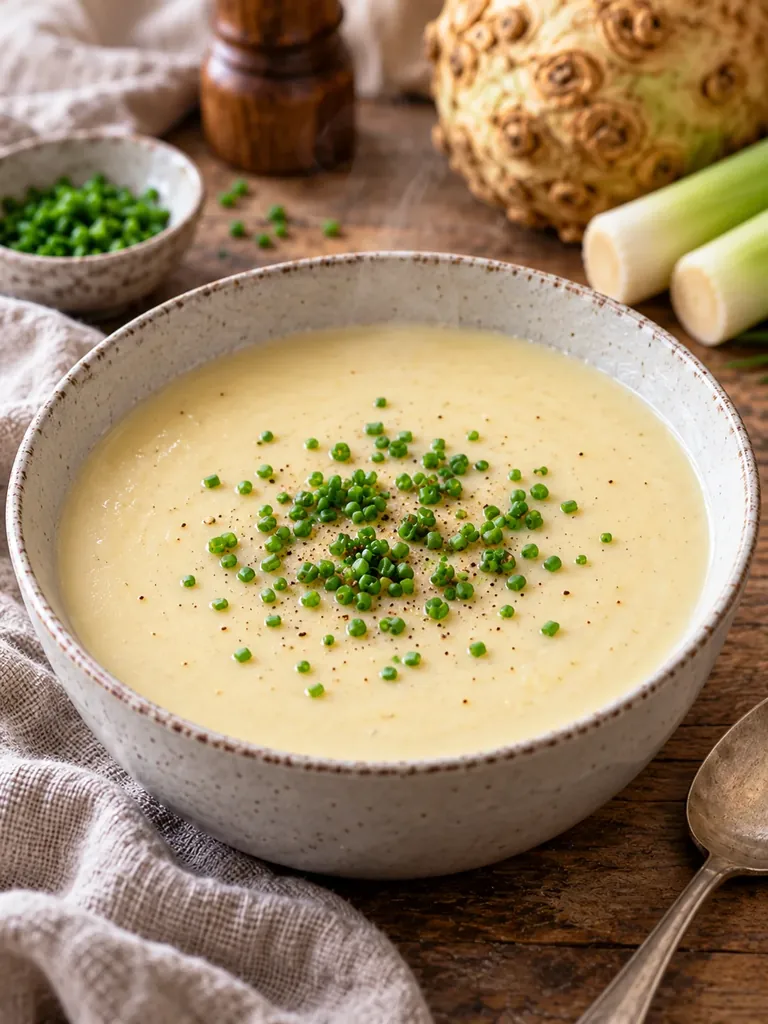
Celery root, also called celeriac, looks knobbly but tastes like a gentle mix of celery and potato. It blends into a delicate, elegant soup.
Prep time: 15 minutes | Cook time: 30 minutes | Total time: 45 minutes | Serves: 4 | Approx. calories: 150 per serving
INGREDIENTS
1 tablespoon butter
½ leek, sliced and rinsed
1 medium celery root (about 1½ lb / 680 g), peeled and cubed
1 medium potato, peeled and cubed
5 cups low-sodium vegetable broth
⅓ cup milk
Salt and white pepper
Chopped chives
INSTRUCTIONS
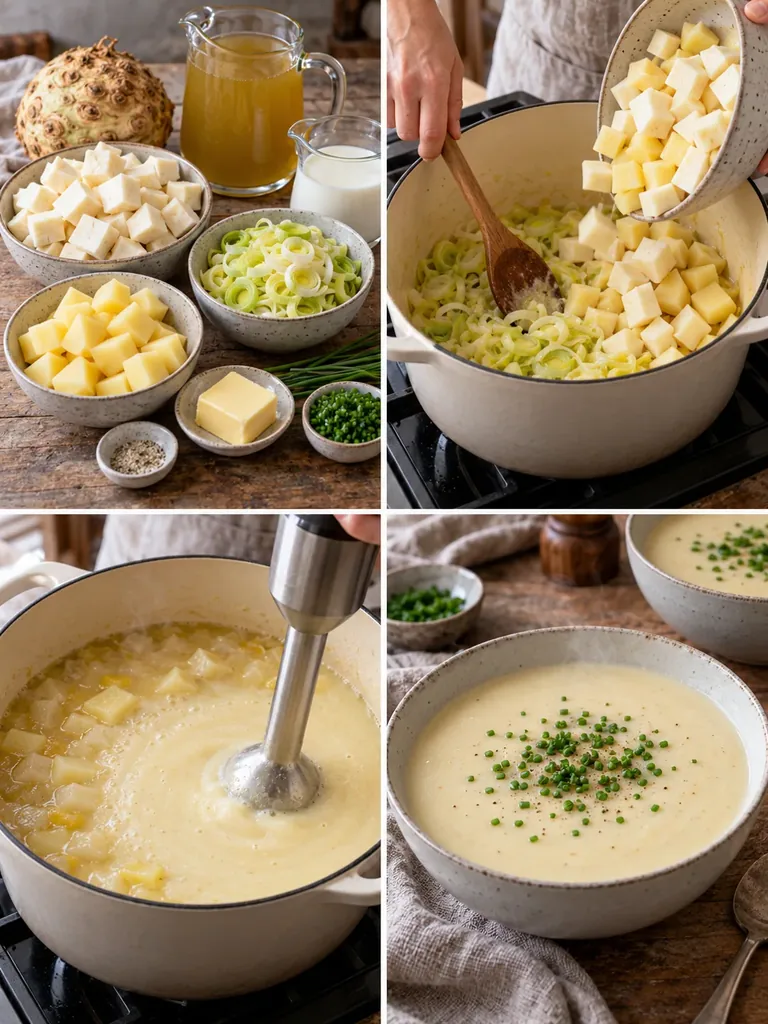
Melt the butter in a pot and cook the leek for 5 minutes until soft.
Add the celery root, potato and broth. Bring to a boil, then simmer for 25 minutes, until very tender.
Blend until silky smooth.
Stir in the milk, season and serve with chives.
HEALTH BENEFITS
Celery root provides vitamin K, vitamin C and phosphorus.
It is lower in carbohydrates than potato.
It offers fiber in a soft, smooth form.
Digestion Note
Why it’s gentle on digestion: Its flavor is milder than celery stalks, and it blends without stringy fibers.
Cooking Tip
Tip: Celery root has a tough skin. Ask a family member to peel and cube a few at once, then freeze the cubes.
19. Mild Beetroot Soup
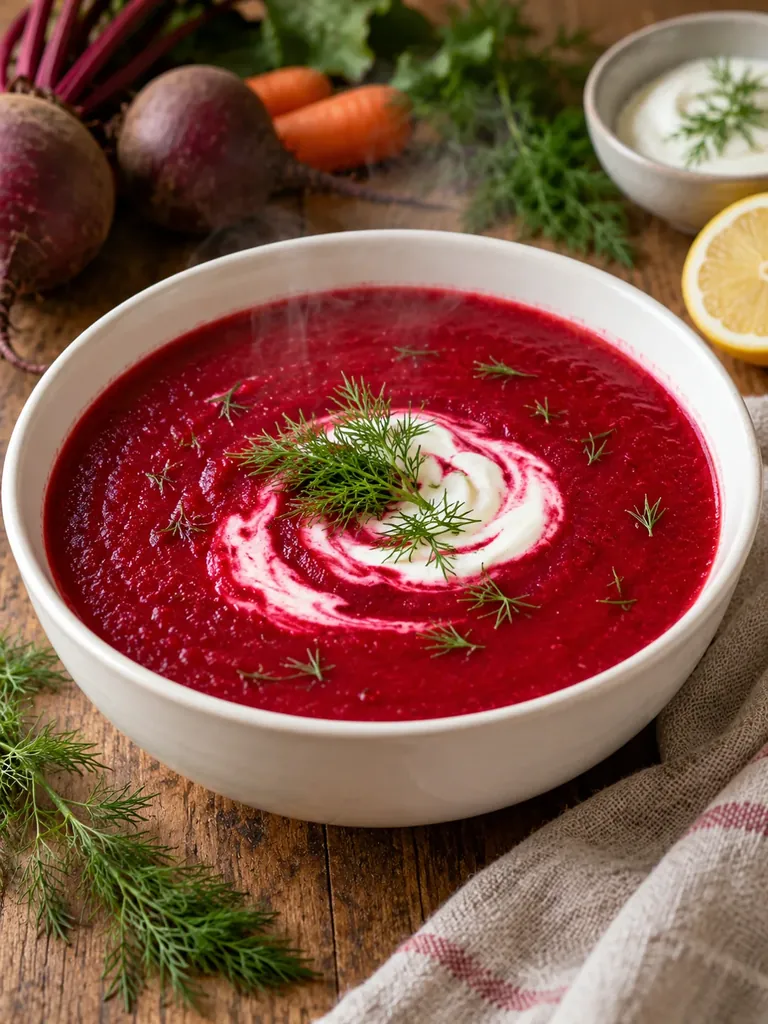
This simplified, meat-free take on Eastern European borscht has a gorgeous ruby color and a gently sweet, earthy flavor.
Prep time: 15 minutes | Cook time: 35 minutes | Total time: 50 minutes | Serves: 4 | Approx. calories: 140 per serving
INGREDIENTS
1 tablespoon olive oil
3 medium beets, peeled and diced
1 carrot, diced
1 medium potato, peeled and diced
5 cups low-sodium vegetable broth
1 teaspoon lemon juice
1 tablespoon fresh dill, chopped
Salt to taste
Sour cream or plain yogurt, to serve
INSTRUCTIONS
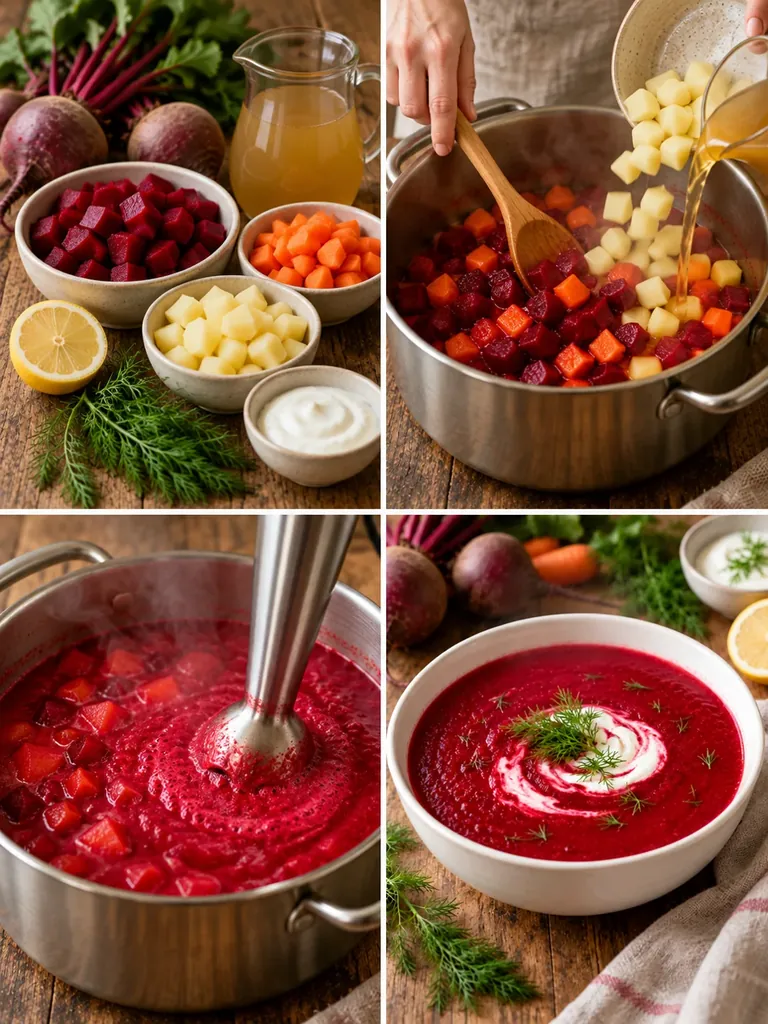
Heat the oil in a pot and cook the beets and carrot for 5 minutes.
Add the potato and broth. Bring to a boil, then simmer for 30 minutes, until all the vegetables are tender.
Blend until smooth or leave chunky.
Stir in the lemon juice and dill and season with salt.
Serve with a spoonful of sour cream or yogurt.
HEALTH BENEFITS
Beets are rich in folate and contain natural nitrates linked to healthy blood flow.
The vegetables provide fiber and potassium.
The yogurt topping adds protein.
Digestion Note
Why it’s gentle on digestion: Blending makes the beets very smooth, and dill is a classic herb for easing digestion.
Cooking Tip
Tip: Beets can turn urine and stool pink or red, which is harmless. Beets are high in oxalates, so ask your doctor if you have a history of kidney stones.
20. Parsnip and Apple Soup
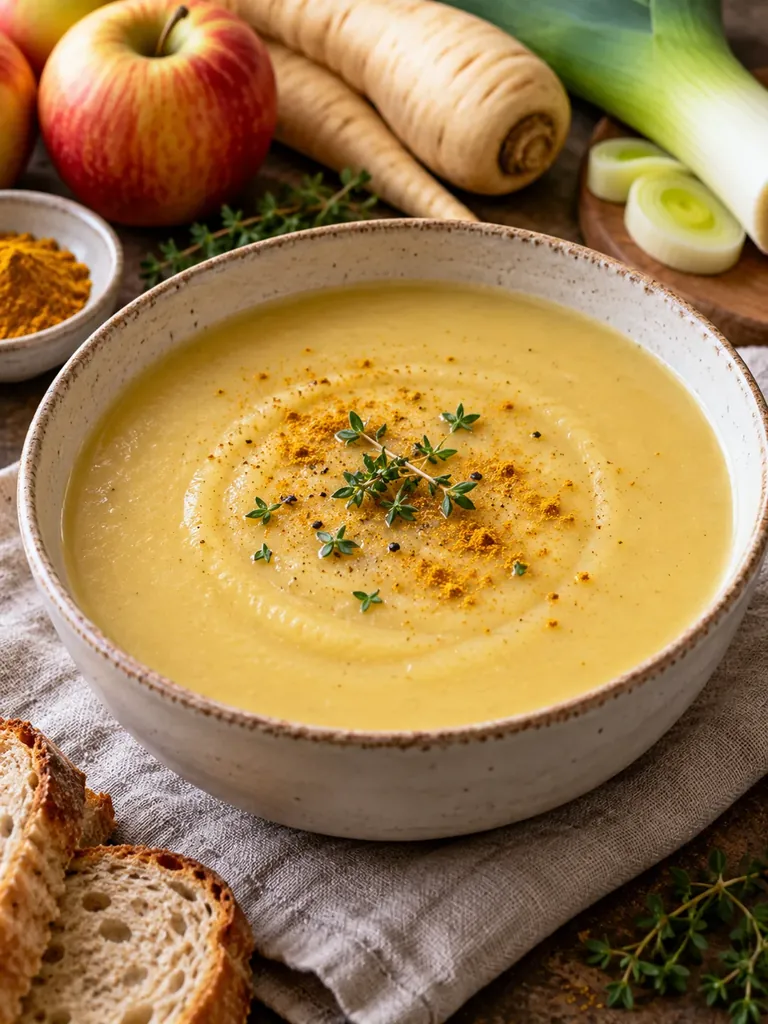
Parsnips are sweet and nutty when cooked, and a peeled apple adds soft brightness. This cozy, unusual soup is one guests always ask about.
Prep time: 10 minutes | Cook time: 25 minutes | Total time: 35 minutes | Serves: 4 | Approx. calories: 170 per serving
INGREDIENTS
1 tablespoon butter
½ leek or ¼ onion, chopped
4 medium parsnips, peeled and sliced (about 1 lb / 450 g)
1 apple, peeled, cored and chopped
½ teaspoon mild curry powder
4 cups low-sodium vegetable broth
¼ cup milk
Salt to taste
INSTRUCTIONS
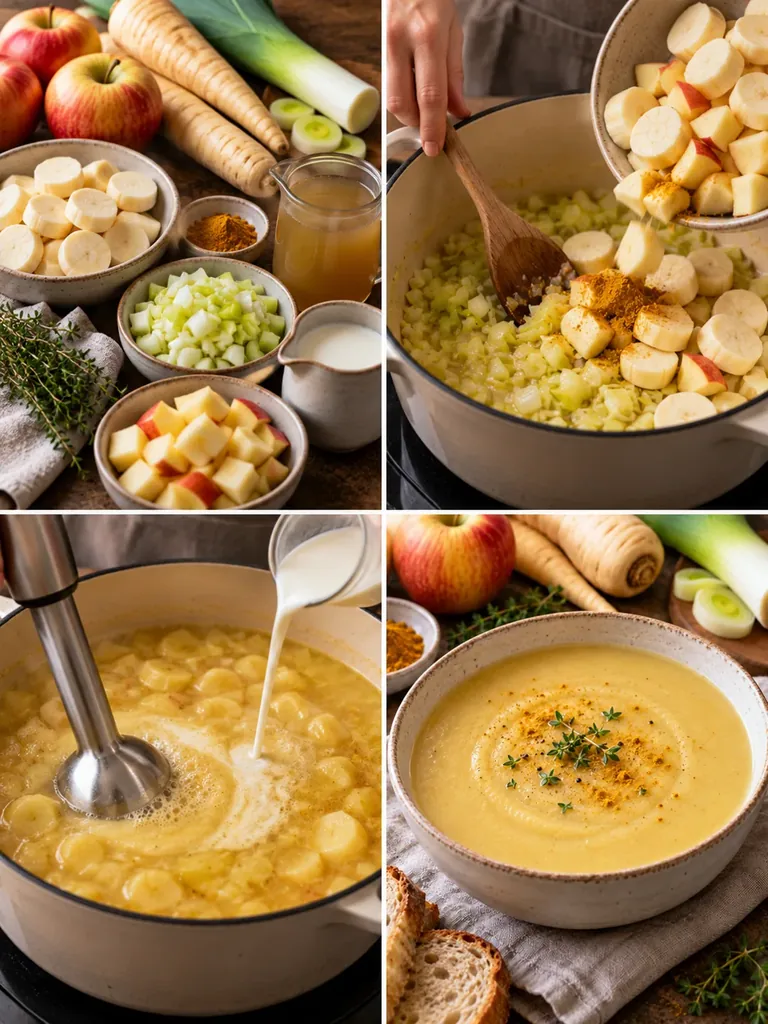
Melt the butter in a pot and cook the leek for 4 minutes.
Add the parsnips, apple and curry powder and stir for 1 minute.
Add the broth, bring to a boil, then simmer for 20 minutes, until the parsnips are soft.
Blend, stir in the milk and season with salt.
HEALTH BENEFITS
Parsnips provide fiber, folate, vitamin C and potassium.
The apple adds natural sweetness without added sugar.
The mild spices add flavor without heat.
Digestion Note
Why it’s gentle on digestion: Cooked, blended parsnips are soft, and the curry powder is mild, not hot.
Cooking Tip
Tip: Choose small to medium parsnips. Very large ones can have a woody, fibrous core.
21. Yellow Split Pea Soup
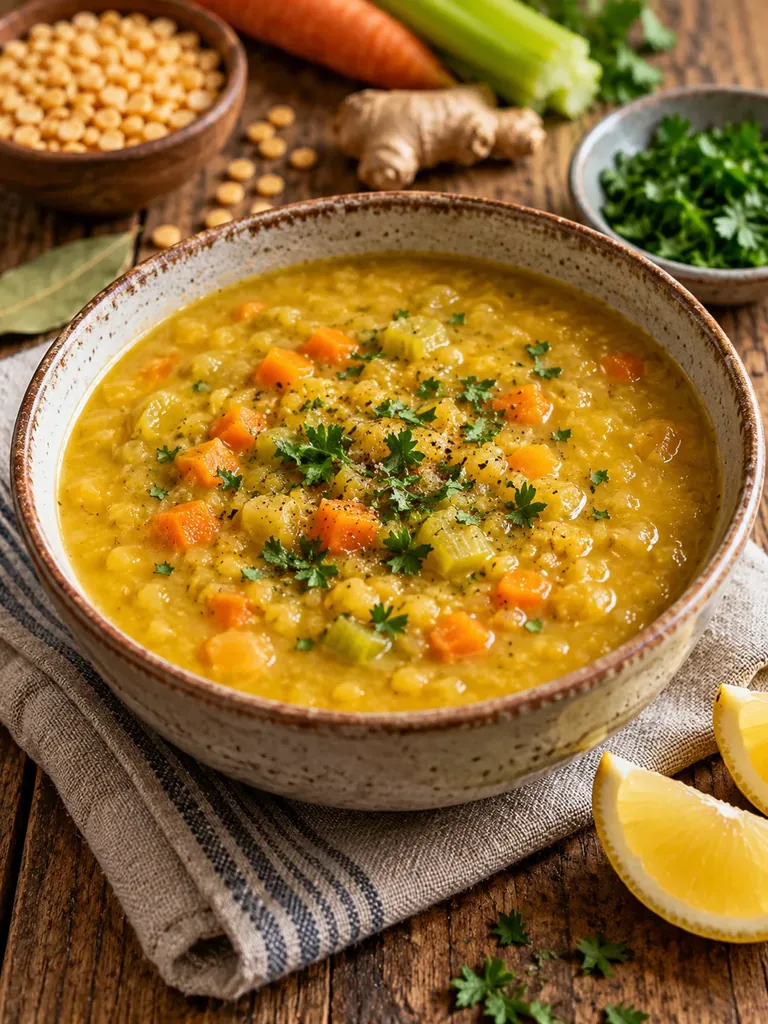
This vegetarian version of a winter classic is thick, filling and full of plant protein. A little cumin and ginger make the peas easier on the stomach.
Prep time: 10 minutes | Cook time: 1 hour | Total time: 1 hour 10 minutes (plus 2 to 4 hours soaking) | Serves: 6 | Approx. calories: 230 per serving
INGREDIENTS
1 cup yellow split peas
1 tablespoon olive oil
1 carrot, diced
1 celery stalk, diced
½ teaspoon ground cumin
2 slices fresh ginger
1 bay leaf
6 cups low-sodium vegetable broth
Salt to taste
1 teaspoon lemon juice
INSTRUCTIONS
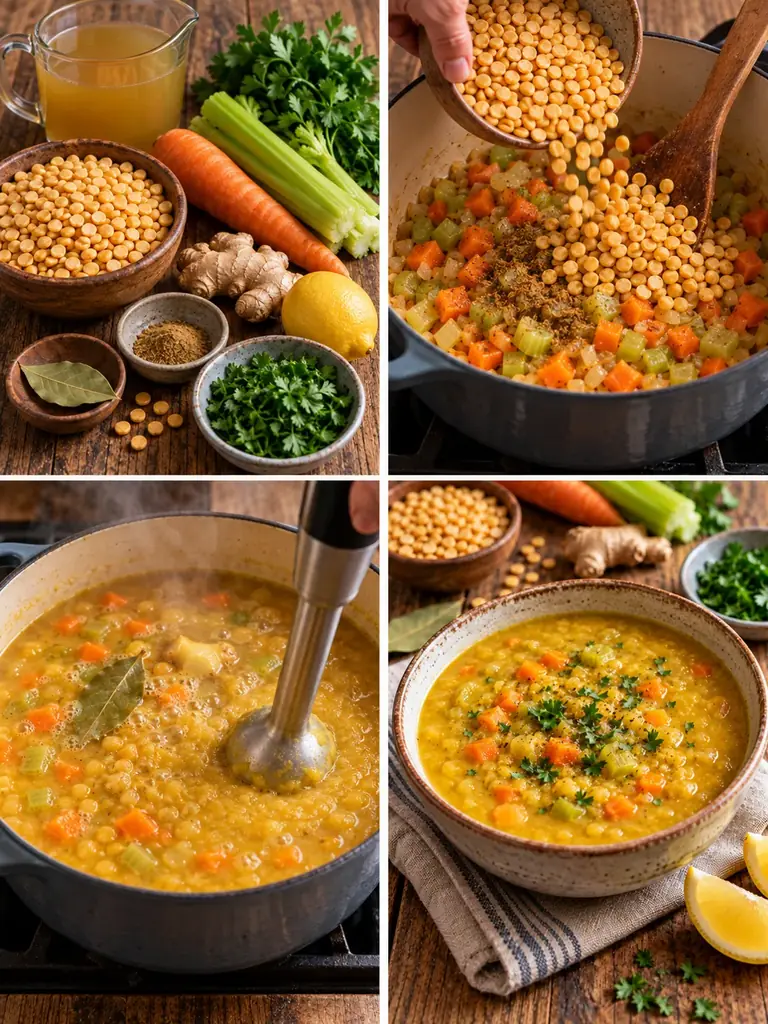
Rinse the split peas and soak for 2 to 4 hours. Drain and rinse again.
Heat the oil in a large pot and cook the carrot and celery for 5 minutes.
Add the cumin, then the split peas, ginger, bay leaf and broth. Bring to a boil and skim off any foam.
Simmer partly covered for 50 to 60 minutes, stirring occasionally, until the peas have completely broken down.
Remove the ginger and bay leaf, blend if you like, and season with salt and lemon juice.
HEALTH BENEFITS
Split peas are high in plant protein and fiber.
They provide folate, potassium and iron.
It is a filling, budget-friendly meal.
Digestion Note
Why it’s gentle on digestion: Soaking, skimming and long cooking make split peas much easier to digest.
Cooking Tip
Tip: This soup thickens a lot in the fridge. Add hot water or broth when reheating.
22. Blended Potato Corn Chowder

Corn chowder is a comfort food favorite. Blending part of it keeps the creamy texture while making it easier to digest.
Prep time: 10 minutes | Cook time: 25 minutes | Total time: 35 minutes | Serves: 4 | Approx. calories: 220 per serving
INGREDIENTS
1 tablespoon butter
1 celery stalk, diced
2 medium potatoes, peeled and diced
2 cups frozen corn kernels
3 cups low-sodium vegetable broth
1 cup milk
½ teaspoon dried thyme
Salt to taste
Chopped chives
INSTRUCTIONS

Melt the butter in a pot and cook the celery for 4 minutes.
Add the potatoes, corn, broth and thyme. Bring to a boil, then simmer for 15 minutes, until the potatoes are soft.
Blend half of the soup until smooth and stir it back into the pot.
Add the milk, heat gently and season.
Serve with chives.
HEALTH BENEFITS
Corn provides fiber and lutein and zeaxanthin, nutrients linked to eye health.
Potatoes add potassium.
Milk adds calcium and protein.
Digestion Note
Why it’s gentle on digestion: Whole corn kernels can pass through the gut largely intact. Blending breaks them down.
Cooking Tip
Tip: For the gentlest version, blend the whole pot until smooth.
23. Soft Broccoli Cheddar Soup
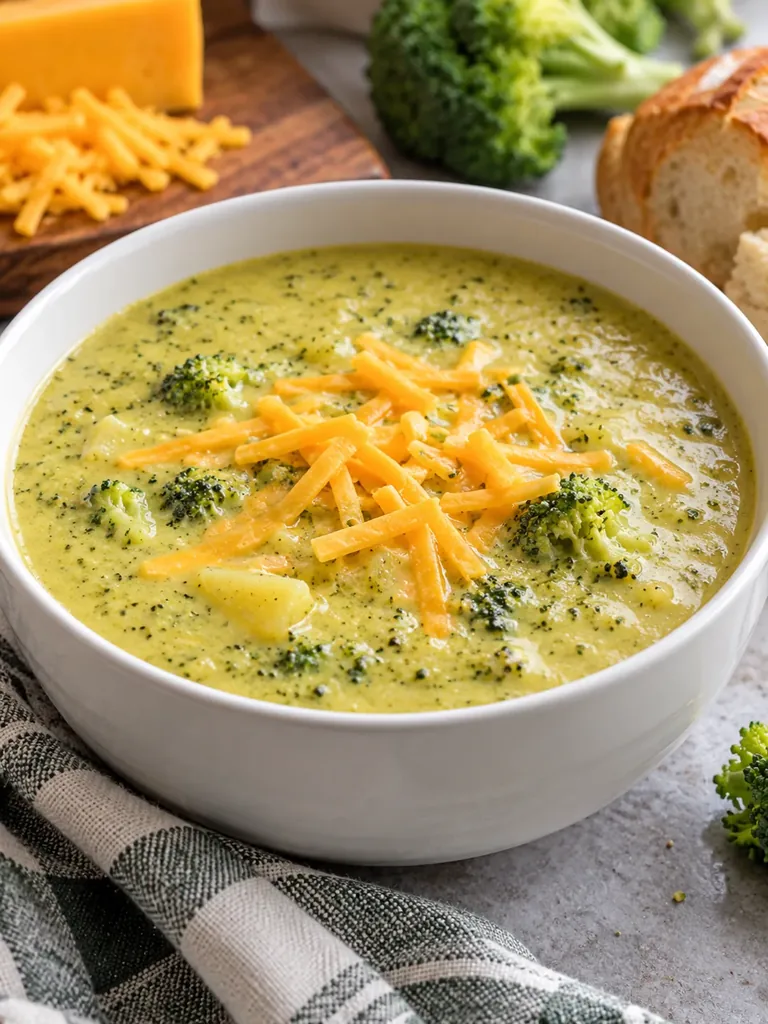
Broccoli cheddar soup is a winter treat. This lighter version uses milk instead of cream and only the tender florets.
Prep time: 10 minutes | Cook time: 20 minutes | Total time: 30 minutes | Serves: 4 | Approx. calories: 210 per serving
INGREDIENTS
1 tablespoon butter
3 cups broccoli florets
1 small potato, peeled and diced
3 cups low-sodium vegetable broth
1 cup milk
½ cup shredded mild cheddar
Salt and a pinch of nutmeg
INSTRUCTIONS

Melt the butter in a pot. Add the broccoli, potato and broth.
Bring to a boil, then simmer for 15 minutes, until very soft.
Blend until smooth.
Lower the heat and stir in the milk and cheese until melted. Do not let it boil.
Season with salt and nutmeg.
HEALTH BENEFITS
Broccoli provides vitamin C, vitamin K and fiber.
Cheese and milk add calcium and protein.
It is a satisfying way to eat green vegetables.
Digestion Note
Why it’s gentle on digestion: Using only the florets and cooking them well makes broccoli much gentler than raw or stem-heavy versions.
Cooking Tip
Tip: Check that your cheese uses vegetarian or microbial rennet if you avoid animal rennet.
24. Lauki (Bottle Gourd) Soup
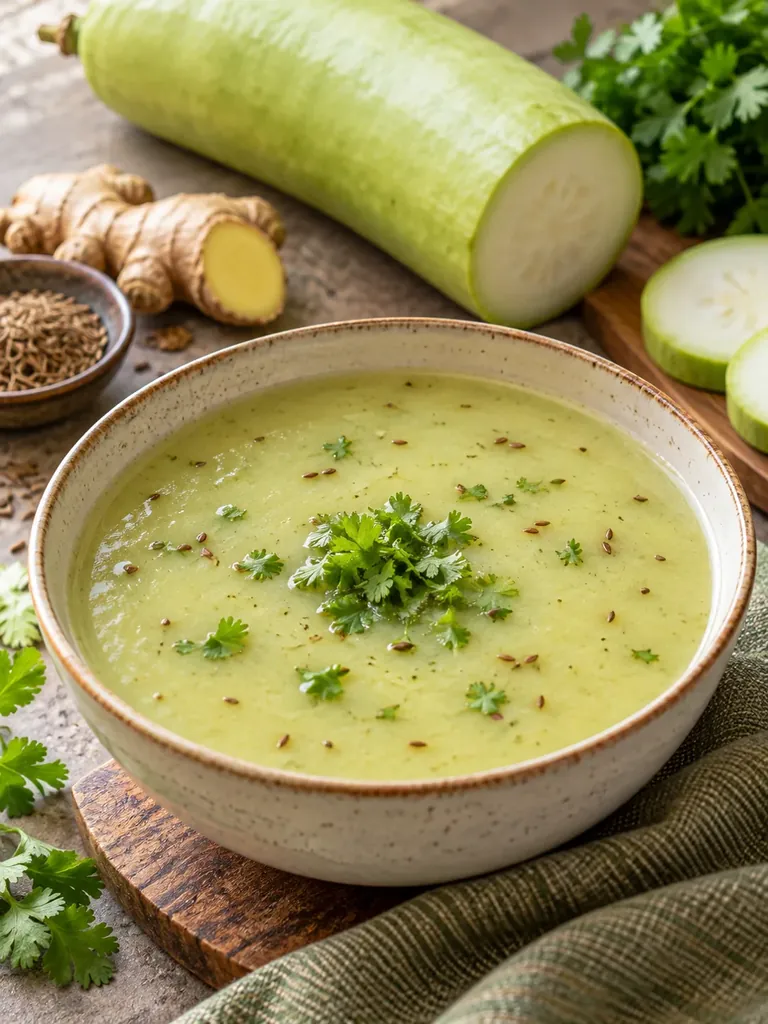
Bottle gourd is one of the lightest vegetables you can eat. In Indian and Ayurvedic cooking it is valued as calming for the digestive system and is often given to people recovering from illness.
Prep time: 10 minutes | Cook time: 20 minutes | Total time: 30 minutes | Serves: 3 | Approx. calories: 70 per serving
INGREDIENTS
1 small bottle gourd (lauki), about 1 lb (450 g), peeled and cubed
½-inch piece fresh ginger
¼ teaspoon cumin seeds
3 cups water or low-sodium vegetable broth
1 teaspoon ghee
Salt and black pepper to taste
Fresh coriander or mint
INSTRUCTIONS
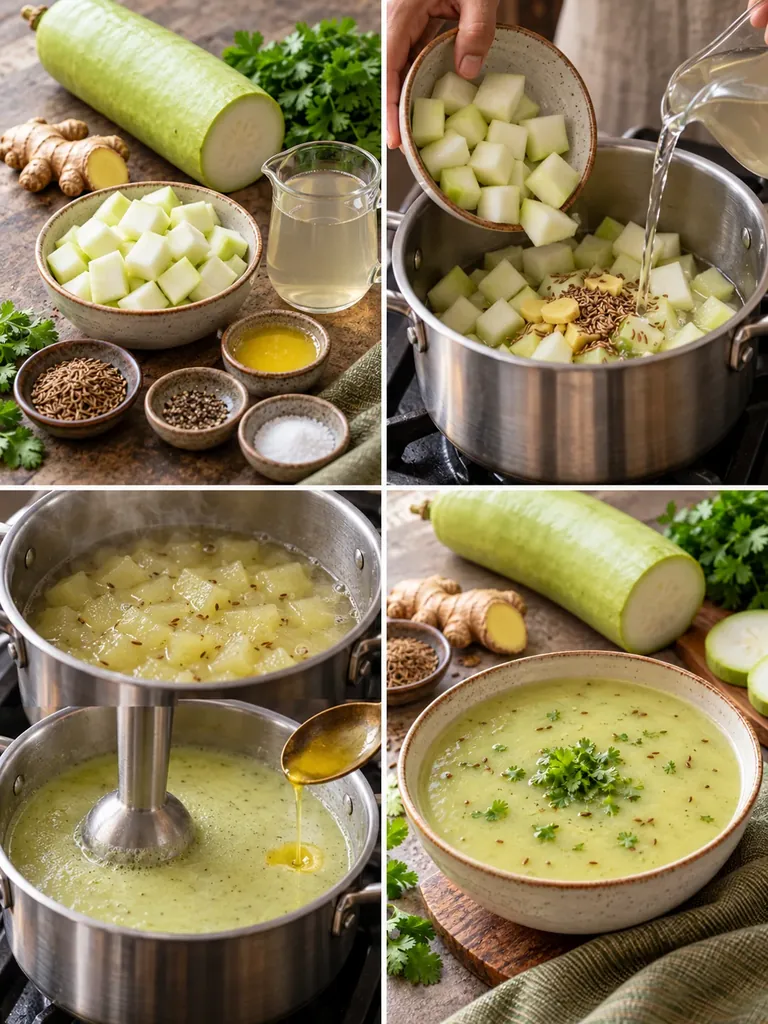
Add the bottle gourd, ginger, cumin and water to a pot.
Bring to a boil, then simmer for 15 to 20 minutes, until the gourd is translucent and soft. Or pressure cook for 2 whistles.
Blend until smooth.
Stir in the ghee, season and garnish with herbs.
HEALTH BENEFITS
Bottle gourd is about 90 percent water, which supports hydration.
It is very low in calories.
It provides vitamin C and small amounts of fiber.
Digestion Note
Why it’s gentle on digestion: Its soft, watery texture and mild taste make it one of the lightest foods for a sensitive stomach.
Cooking Tip
Tip: Taste a small piece of raw gourd before cooking. If it is very bitter, discard it, as bitter gourds can cause stomach upset. Zucchini is a good substitute.
25. Soft Vegetable Noodle Soup with Tofu
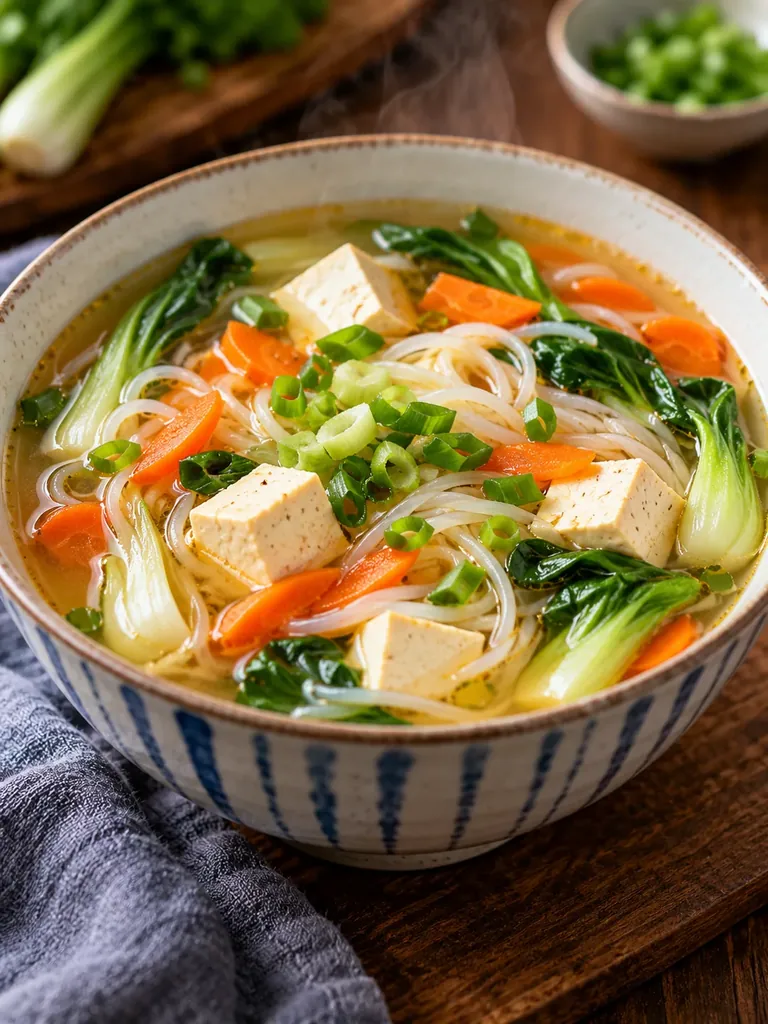
Sometimes you simply want a bowl of noodle soup. This vegetarian version uses soft noodles, tender vegetables and tofu for protein.
Prep time: 15 minutes | Cook time: 15 minutes | Total time: 30 minutes | Serves: 4 | Approx. calories: 230 per serving
INGREDIENTS
6 cups low-sodium vegetable broth
4 slices fresh ginger
1 carrot, thinly sliced
2 heads baby bok choy, leaves separated
7 oz (200 g) firm tofu, cubed
4 oz (115 g) thin rice noodles or egg-free noodles
1 tablespoon low-sodium soy sauce
1 teaspoon toasted sesame oil (optional)
Sliced scallion greens
INSTRUCTIONS
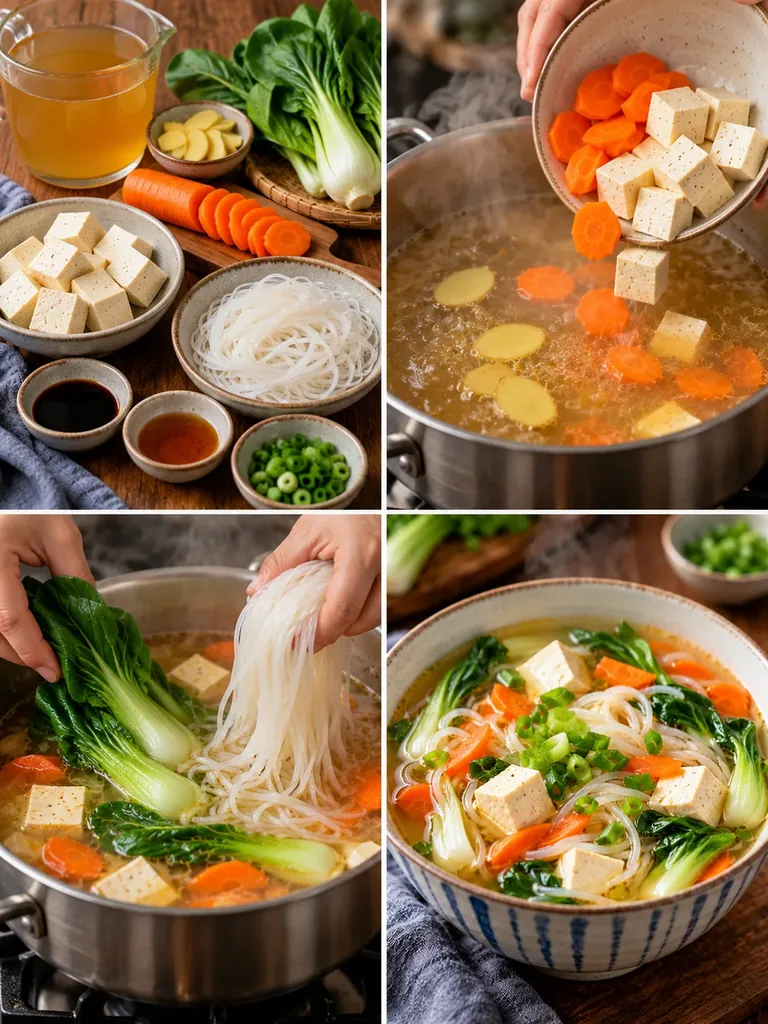
Bring the broth and ginger to a simmer in a large pot.
Add the carrot and tofu and simmer for 5 minutes.
Add the bok choy and cook for 3 minutes, until tender.
Add the noodles and cook according to the package, until soft.
Remove the ginger slices, stir in the soy sauce and sesame oil, and serve with scallion greens.
HEALTH BENEFITS
Tofu provides complete plant protein.
Bok choy adds vitamin C, vitamin A and calcium.
It is a balanced meal in one bowl.
Digestion Note
Why it’s gentle on digestion: Rice noodles are light and easy to digest, and the vegetables are cooked until tender.
Cooking Tip
Tip: Many dried noodles contain egg, so check the label. Rice noodles and most plain spaghetti are egg-free.
[In-article image: vegetable noodle soup with tofu and bok choy]
Quick Comparison: Which Soup Fits Your Needs?
If you need… | Try these soups
The gentlest option for an upset stomach | Rice Congee, Moong Dal, Lauki, Zucchini Basil, Ginger Turmeric Broth
More protein | Red Lentil, Moong Dal, Yellow Split Pea, Miso with Tofu, Noodle Soup with Tofu
Something ready in about 15 minutes | Pumpkin Sage, Spinach and Pea, Zucchini Basil, Ginger Turmeric Broth
Easy chewing and swallowing | Any fully blended soup: Carrot Ginger, Butternut Squash, Cauliflower, Celery Root
Something hearty and filling | Mushroom Barley, Gentle Minestrone, Potato Corn Chowder, Broccoli Cheddar
Help with regularity | Oat and Vegetable, Red Lentil, Split Pea, Mushroom Barley (increase fiber gradually and drink fluids)
Tips for Making Soup Easier on Your Body
Keep the sodium in check
Many canned soups contain well over half of a day’s recommended sodium in a single serving. Making soup at home lets you season lightly. Build flavor with herbs, a squeeze of lemon, a little grated ginger, toasted cumin, or a spoon of yogurt instead of extra salt. Taste at the end of cooking, not the beginning, since flavors concentrate as soup simmers.
Blend for comfort
Blending breaks down fibers and skins, which can make vegetables easier to digest and swallow. An immersion blender (stick blender) is the safest and simplest tool, because you blend right in the pot without pouring hot liquid. If you use a countertop blender, fill it no more than halfway, remove the center cap, and cover the hole with a folded towel to let steam escape.
Add fiber gradually
Fiber supports regularity, but adding a lot at once can cause gas and bloating. If you are not used to lentils, split peas, or barley, start with half a bowl a few times a week and increase slowly. Drink plenty of fluids alongside fiber-rich foods.
Eat slowly and in smaller portions
A smaller bowl eaten slowly is often more comfortable than a large serving. Many older adults find that four or five small meals sit better than three large ones, and soup fits that pattern well.
Make it easier on your hands
If arthritis or weak grip makes chopping difficult, rely on pre-cut fresh vegetables, frozen vegetables, and canned pumpkin or tomatoes. A lightweight pot, a ladle with a comfortable handle, and a stick blender reduce strain. Frozen vegetables are picked and frozen at peak ripeness and are just as nutritious as fresh for soup.
How to Store, Freeze, and Reheat Soup Safely
Batch cooking is one of the biggest advantages of soup, but food safety matters, especially for older adults, who can be more vulnerable to foodborne illness.
Food Safety & Health Note
Cool it quickly. Do not leave soup on the stove to cool overnight. Divide it into shallow containers and refrigerate within two hours of cooking.
Fridge time. Most homemade soups keep three to four days in the refrigerator.
Freezer time. Freeze in single-portion containers for up to two to three months for best quality. Leave an inch of space at the top for expansion, and label each container with the name and date.
Freeze before adding dairy or pasta. Milk-based soups can separate and pasta turns mushy when frozen. Freeze the base, then add milk, yogurt, or noodles when reheating.
Food Safety & Health Note
Reheat thoroughly. Bring leftovers to a steaming boil, or 165°F (74°C), before eating. Stir halfway through when using a microwave so there are no cold spots.
Food Safety & Health Note
Thaw safely. Thaw frozen soup overnight in the fridge or directly in a pot over low heat, never on the counter.
Helpful Kitchen Tools for Easy Soup Making
You do not need fancy equipment, but a few tools make soup making much easier, especially if you cook for one or two:
Immersion blender: blends soup in the pot and is easy to rinse clean.
Slow cooker or electric multicooker: lets you add ingredients and walk away, with no pot to watch.
Lightweight nonstick soup pot: easier to lift than heavy cast iron.
Single-portion freezer containers: make grab-and-heat meals simple.
Insulated soup thermos or mug with a handle: keeps soup warm and is easy to hold.
Jar opener: takes the struggle out of cans and jars.
Frequently Asked Questions
What is the easiest soup to digest for older adults?
Plain rice congee, moong dal soup, bottle gourd soup, and blended carrot or zucchini soups are among the easiest to digest. They are low in harsh spices, cooked until very soft, and made with ingredients that rarely cause gas.
Are canned soups okay for seniors?
Canned soups are convenient, but many are high in sodium. If you use them, choose low-sodium or reduced-sodium versions and stretch them with extra frozen vegetables and water. Homemade soup frozen in portions is usually the healthier option.
How can I add protein to a vegetarian soup without eggs or meat?
Use red lentils, moong dal, split peas, tofu, or well-cooked beans. Stirring in plain Greek yogurt, a little milk, or grated cheese also adds protein. Cooking pasta or rice right in the soup adds some, too.
Can soup help with constipation?
Soup can help because it provides fluid along with fiber. Lentil, split pea, oat, and vegetable soups are good choices. Increase fiber gradually and drink water throughout the day. Persistent constipation should be discussed with a doctor, as it can be a medication side effect.
What soups are good for seniors with trouble swallowing?
Smooth, fully blended soups without chunks, skins, or seeds are usually best. However, some people with swallowing difficulties need liquids thickened to a specific consistency. Always follow the guidance of a speech-language pathologist or doctor if you have been diagnosed with dysphagia.
How long does homemade vegetable soup last?
Homemade soup lasts three to four days in the fridge and two to three months in the freezer for the best taste and texture.
Final Thoughts
Winter can be a hard season for appetite, energy, and digestion, but a pot of gentle soup makes it a little easier. Whether you reach for a silky carrot ginger soup on a gray afternoon, a protein-rich red lentil bowl for dinner, or a mug of golden ginger broth before bed, each of these recipes is designed to nourish without weighing you down.
Start with two or three soups that sound most comforting to you. Make a batch on a good day, freeze some portions, and you will have warm, homemade meals ready all season long. Your body, and your future self on a cold, tired evening, will thank you.
This article is for general information and is not medical advice. If you have a medical condition, food allergy, or dietary restriction, please talk with your doctor or a registered dietitian before changing your diet.