Skip to content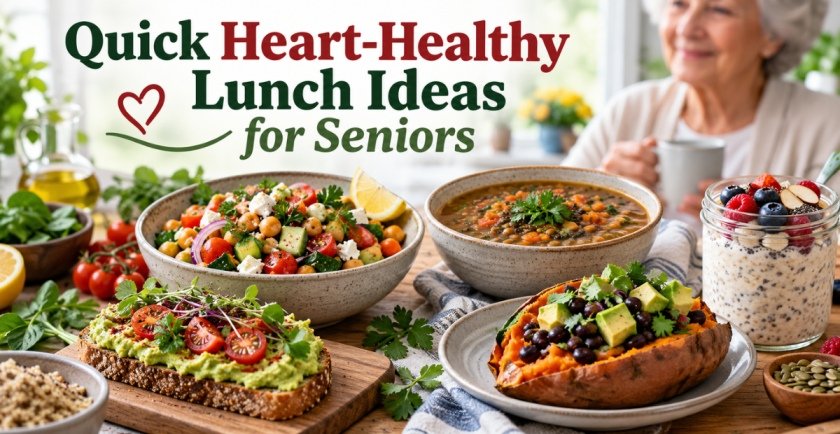
This collection is 100% vegetarian — no meat, poultry, fish, or eggs — and most recipes are naturally vegan or easy to make fully vegan with the swap noted in each recipe’s tip.
Lunch is the meal that gets skipped, thrown together, or replaced with whatever’s fastest — and on a fixed income, “fastest” often means something processed, salty, and not doing your heart any favors. That’s a real gap, because midday is actually a great chance to work in the fiber, healthy fats, and potassium that support heart health, without much effort or expense.
Below are 15 heart-healthy lunch ideas for seniors that take 15 minutes or less of hands-on time, lean on inexpensive pantry staples like beans, oats, and frozen vegetables, and skip the meat counter entirely — good news for the grocery bill as much as for cholesterol and saturated fat intake.
Why Heart-Healthy Lunches Matter for Seniors
Heart disease remains the leading health concern for older adults, and the foods you eat at lunch add up just as much as dinner does. A heart-healthy eating pattern generally means more fiber (vegetables, whole grains, legumes), more unsaturated fats (olive oil, nuts, avocado, seeds), and less saturated fat, added sugar, refined carbohydrates, and sodium. The American Heart Association recommends keeping sodium under 2,300 mg a day and saturated fat to a modest share of total calories — and lunch, eaten every single day, is one of the easiest places to build those habits in consistently.
Fiber in particular does a lot of work here: beans, oats, and vegetables help manage cholesterol and blood sugar, and they also help you feel satisfied on a smaller, less expensive plate — which matters for both heart health and a fixed grocery budget.
Why “Quick and Budget-Friendly” Matters After Retirement
A few real, practical reasons these two things go together for seniors:
- Energy dips at midday. A lunch that takes 30+ minutes and several pots isn’t realistic every day — these recipes lean on 5–15 minutes of simple assembly, chopping, or a quick simmer.
- Fixed incomes call for real math. Every recipe below uses inexpensive, shelf-stable staples — dried or canned beans, oats, frozen vegetables, rice — rather than specialty or out-of-season ingredients.
- Less knife work, less strain. Where possible, these recipes use canned or pre-washed produce and simple assembly instead of heavy chopping, which is easier on hands affected by arthritis.
- One recipe, several lunches. Most of these make 2–4 servings, so one round of prep covers more than one day.
Kitchen Tools That Make Quick Lunches Easier
A few inexpensive tools remove most of the friction from these recipes — especially the chopping and can-opening, which tend to be the hardest parts for hands with reduced grip strength:
🛒 Hamilton Beach Smooth Touch Electric Can Opener
Product: Hamilton Beach Smooth Touch Electric Can Opener
Best for: Opening canned beans, tomatoes, corn, and other pantry staples with minimal hand effort.
This electric can opener works with a light touch, so there is no need to grip and twist a traditional manual opener. It also cuts along the side of the can to leave a smooth, safer edge, making everyday meal preparation more convenient.
🛒 OXO Good Grips Large Salad Spinner
Product: OXO Good Grips Large Salad Spinner (6.22 Qt)
Best for: Quickly washing and drying lettuce, leafy greens, and fresh herbs.
The one-handed pump design makes it easy to spin excess water away from freshly washed greens without wringing them out in a kitchen towel. Its generous 6.22-quart capacity is useful for preparing larger salads or washing several servings of greens at once.
🛒 Hamilton Beach Stack & Press 3-Cup Electric Food Chopper
Product: Hamilton Beach Stack & Press 3-Cup Electric Food Chopper
Best for: Quickly chopping onions, bell peppers, herbs, and other ingredients with less knife work.
This compact electric chopper operates with a simple press, making everyday chopping and dicing faster and easier. The 3-cup bowl is also useful for preparing smaller batches of hummus, dressings, dips, and sauces in seconds.
Budget-Friendly Heart-Healthy Pantry Staples
Stock a handful of these and most of the 15 lunches below come together from what’s already in your kitchen:
- Canned or dried beans and lentils — chickpeas, black beans, white beans — inexpensive, shelf-stable, and high in fiber and plant protein. Choose “no salt added” versions and rinse canned beans well.
- Frozen vegetables and fruit — just as nutritious as fresh, last for months, and cost a fraction of fresh out-of-season produce.
- Whole grains — oats, brown rice, quinoa, and whole-wheat bread or tortillas — cheap per serving and full of fiber.
- Olive oil, nuts, and seeds — a little goes a long way for heart-healthy unsaturated fat and flavor.
- Low-sodium broth and no-salt-added canned tomatoes — the base for the quick soups in this list.
🛒 Eden Foods Organic No Salt Added Garbanzo Beans
Product: Eden Foods Organic No Salt Added Garbanzo Beans, 15 oz
Best for: Keeping a convenient, lower-sodium chickpea option on hand for salads, soups, bowls, dips, and other easy meals.
These organic garbanzo beans are made with no salt added, making them a useful pantry staple for several of the recipes in this list. They are ready to drain, rinse, and use, which saves time compared with cooking dried chickpeas from scratch.
15 Quick Heart-Healthy Lunch Ideas for Seniors
A note on the cost and nutrition notes below: they’re rough estimates meant to show these are inexpensive, heart-friendly choices, not a precise nutrition or price analysis — actual cost and sodium will vary by brand and region. If you’re managing a specific heart condition or a strict sodium target, it’s worth checking with your doctor or a registered dietitian.
1. Mediterranean Chickpea Salad Bowl
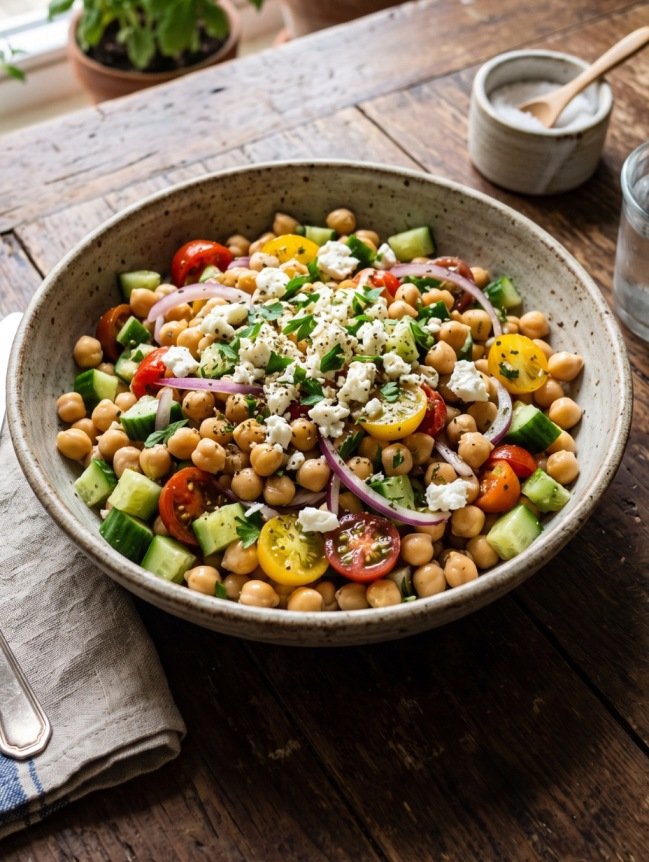
A no-cook bowl that comes together almost entirely from the pantry, with fresh vegetables adding crunch and brightness.
Prep: 10 min (no cook) | Serves: 2 | ~$1.75/serving | High in fiber and plant protein
Ingredients:
- 1 can (15 oz) no-salt-added chickpeas, drained and rinsed
- 1 cucumber, diced
- 1 cup cherry tomatoes, halved
- 1/4 red onion, thinly sliced
- 2 tbsp crumbled feta (optional)
- 2 tbsp olive oil
- 1 tbsp lemon juice
- 1 tsp dried oregano
- Black pepper, to taste
Instructions:
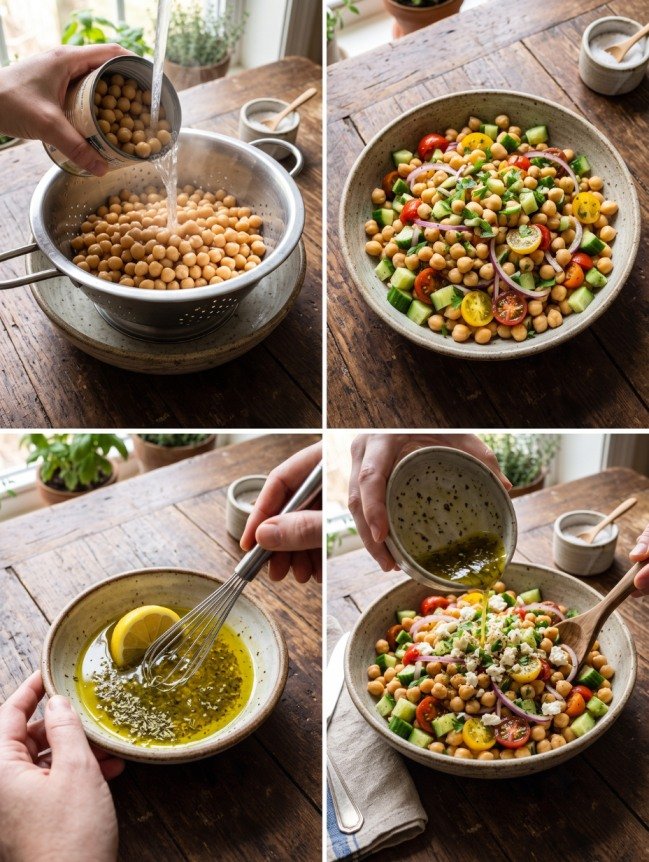
- Combine chickpeas, cucumber, tomatoes, and onion in a bowl.
- Whisk together olive oil, lemon juice, oregano, and pepper.
- Toss the dressing through the salad, top with feta if using, and serve.
Tip: Skip the feta (or use a dairy-free alternative) to make this fully vegan.
2. Avocado & White Bean Toast
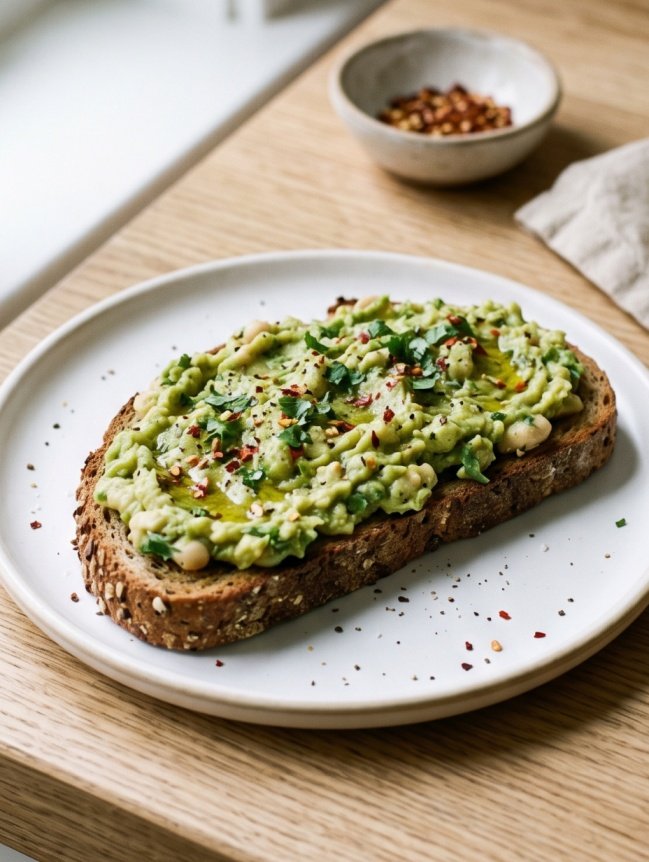
A five-minute twist on avocado toast that adds fiber and plant protein from mashed white beans.
Prep: 5 min | Serves: 1 | ~$1.25/serving | Heart-healthy fats plus fiber
Ingredients:
- 1 slice whole-grain bread, toasted
- 1/2 avocado
- 1/4 cup no-salt-added white beans
- Squeeze of lemon juice
- Black pepper, to taste
- Red pepper flakes (optional)
Instructions:
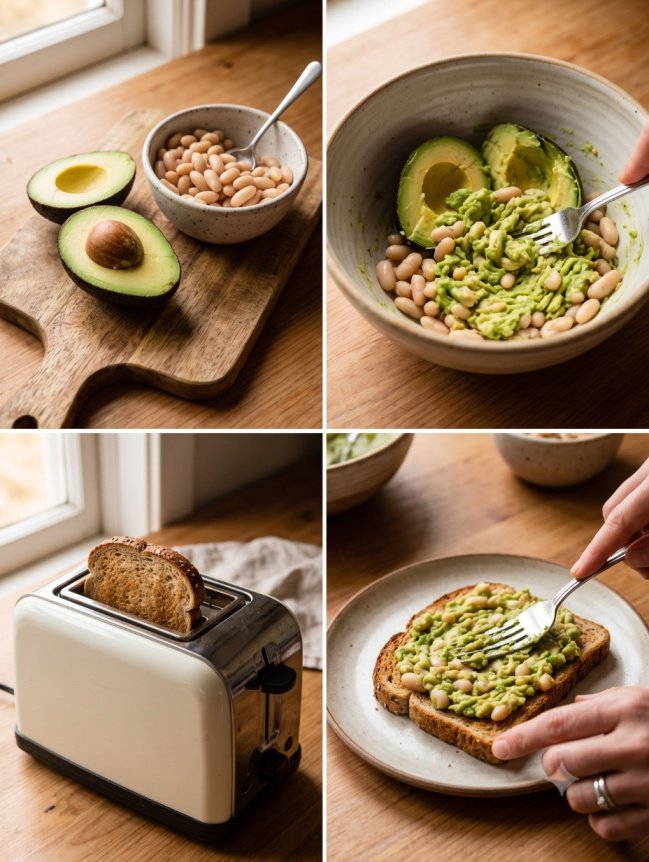
- Mash the avocado and white beans together with the lemon juice in a small bowl.
- Spread the mixture over the toasted bread.
- Season with pepper and red pepper flakes, if using.
Tip: Mashing in the beans stretches half an avocado into a full, filling slice without adding cost.
3. Peanut Butter Banana Whole-Wheat Wrap
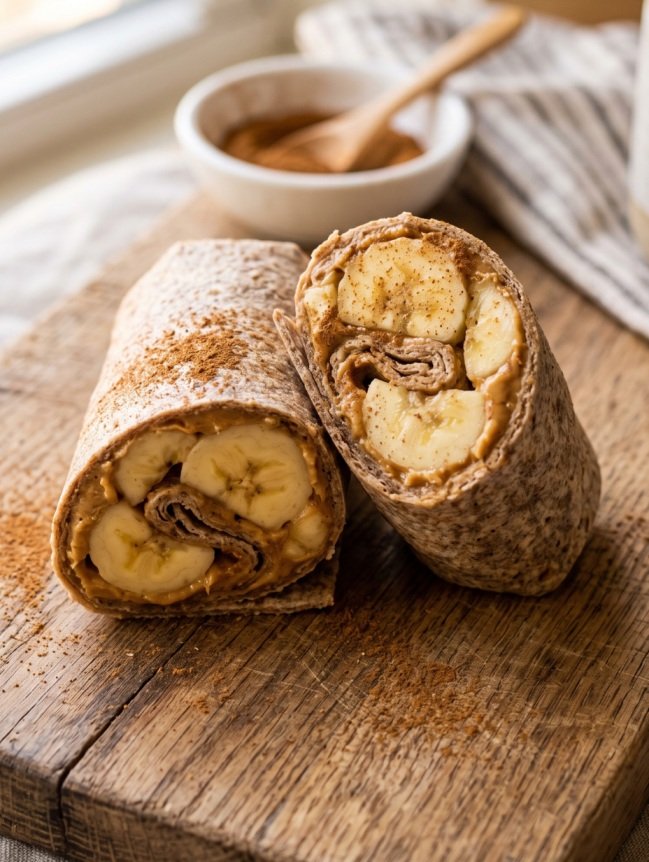
A no-cook wrap that’s ready in five minutes and leans on potassium-rich banana and heart-healthy fats from peanut butter.
Prep: 5 min | Serves: 1 | ~$0.90/serving | Potassium and unsaturated fat
Ingredients:
- 1 whole-wheat tortilla
- 2 tbsp natural peanut butter (no added salt or sugar)
- 1 banana, sliced
- Pinch of cinnamon
Instructions:
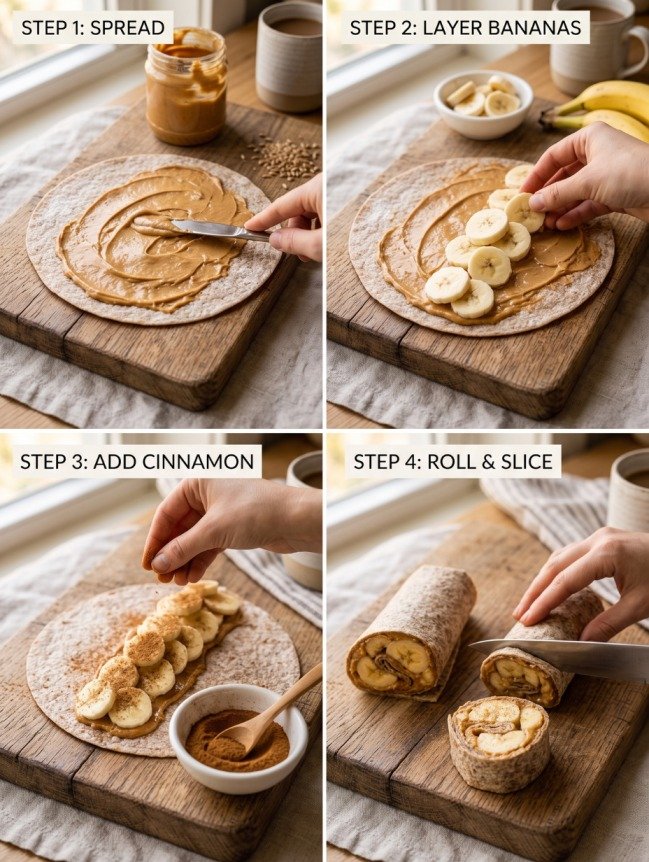
- Spread the peanut butter evenly over the tortilla.
- Layer the banana slices down the center and sprinkle with cinnamon.
- Roll up tightly and slice in half.
Tip: “Natural” peanut butter (just peanuts, maybe salt) has far less added sodium and sugar than many popular brands — check the label.
4. Quick Lentil Soup
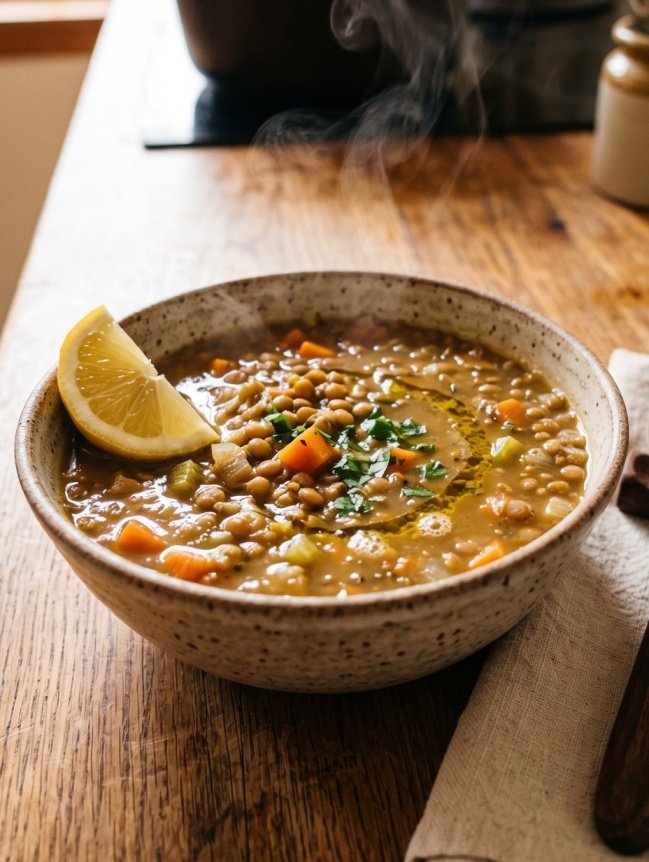
A stovetop soup that’s ready in about 20 minutes total, built on canned or pre-cooked lentils to save time.
Prep: 5 min | Cook: 15 min | Serves: 4 | ~$1.10/serving | Fiber and plant protein, low sodium
Ingredients:
- 1 tbsp olive oil
- 1 small onion, diced
- 2 garlic cloves, minced
- 2 carrots, diced
- 3 cups low-sodium vegetable broth
- 1.5 cups cooked or no-salt-added canned lentils
- 1 tsp ground cumin
- 1 tsp smoked paprika
- Squeeze of lemon juice
Instructions:
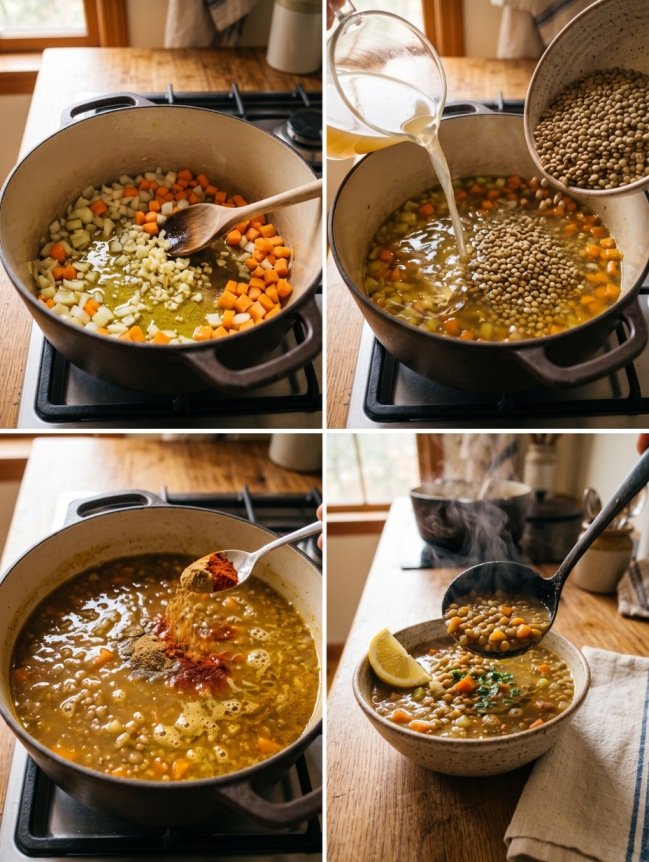
- Sauté the onion, garlic, and carrots in olive oil for about 5 minutes, until softened.
- Add the broth, lentils, cumin, and smoked paprika; simmer for 10 minutes.
- Finish with a squeeze of lemon juice and season with pepper.
Tip: This freezes well — make a double batch on a slower day and freeze single portions for the week ahead.
5. Greek Yogurt Veggie Bowl with Walnuts
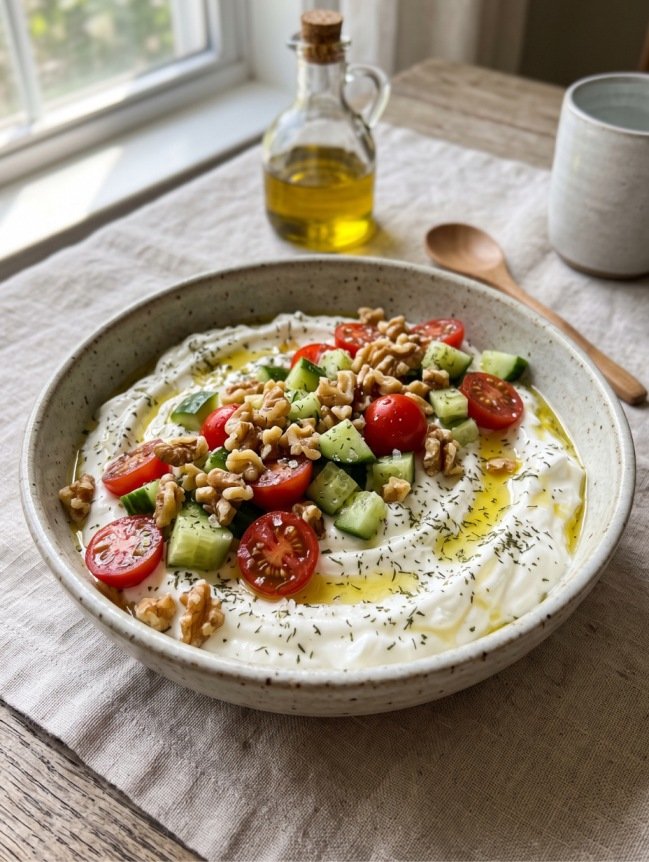
A savory, protein-rich bowl that swaps the usual sweet toppings for vegetables and a drizzle of olive oil.
Prep: 5 min | Serves: 1 | ~$1.60/serving | Protein plus plant-based omega-3s from walnuts
Ingredients:
- 1 cup plain low-fat Greek yogurt (or plant-based yogurt)
- 1/2 cucumber, diced
- 1/2 cup cherry tomatoes, halved
- 2 tbsp chopped walnuts
- Drizzle of olive oil
- Pinch of dried dill
- Black pepper, to taste
Instructions:
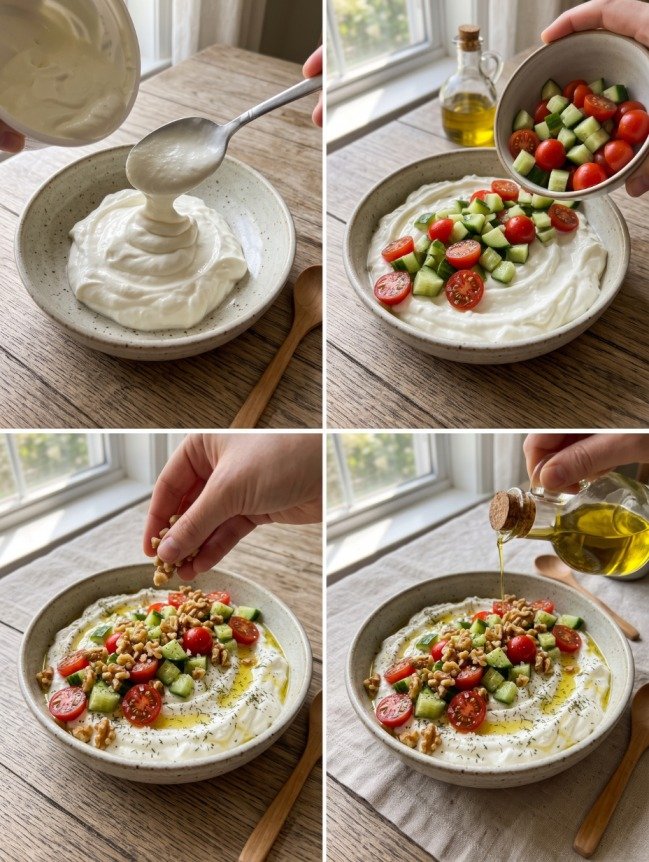
- Spoon the yogurt into a bowl.
- Top with cucumber, tomatoes, and walnuts.
- Drizzle with olive oil and sprinkle with dill and pepper.
Tip: Plain yogurt (dairy or plant-based) has far less sodium and sugar than flavored varieties.
6. Caprese Sandwich with Balsamic Drizzle
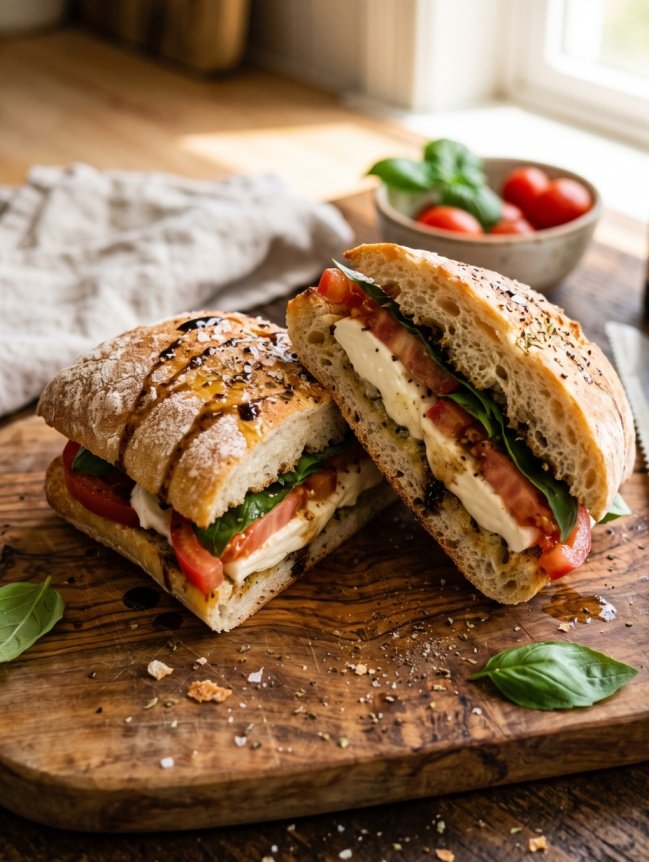
A simple, fresh sandwich built on tomato, basil, and mozzarella — ready in under 10 minutes.
Prep: 8 min | Serves: 1 | ~$2.00/serving | Lycopene from tomato plus calcium
Ingredients:
- 2 slices whole-grain bread
- 2–3 slices fresh mozzarella
- 1 tomato, sliced
- A few fresh basil leaves
- 1 tsp olive oil
- 1 tsp balsamic vinegar
- Black pepper, to taste
Instructions:
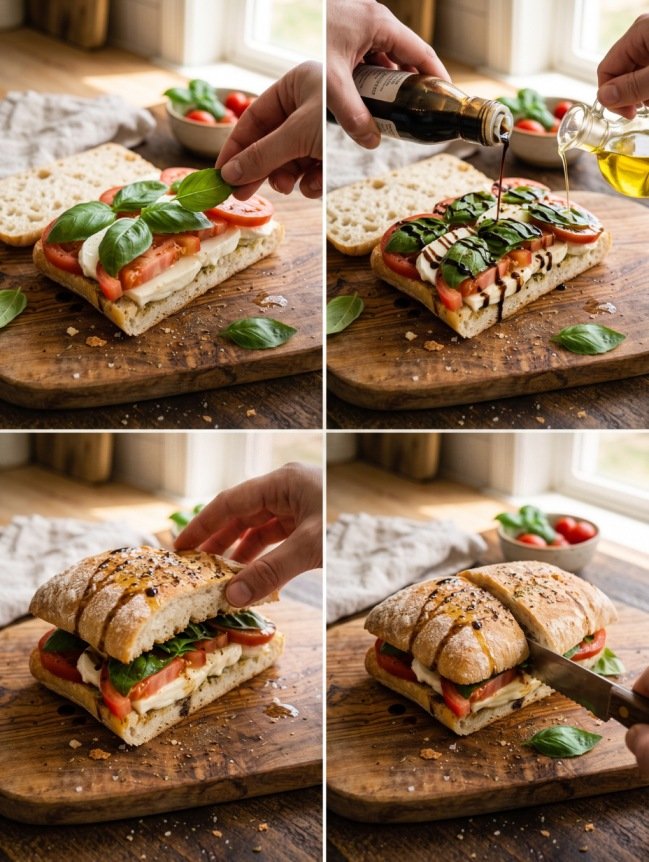
- Layer mozzarella, tomato, and basil on one slice of bread.
- Drizzle with olive oil and balsamic vinegar, and season with pepper.
- Top with the second slice of bread and slice in half.
Tip: Use a low-sodium mozzarella if your store carries one, since fresh mozzarella varies quite a bit in sodium by brand.
7. Black Bean & Corn Salad
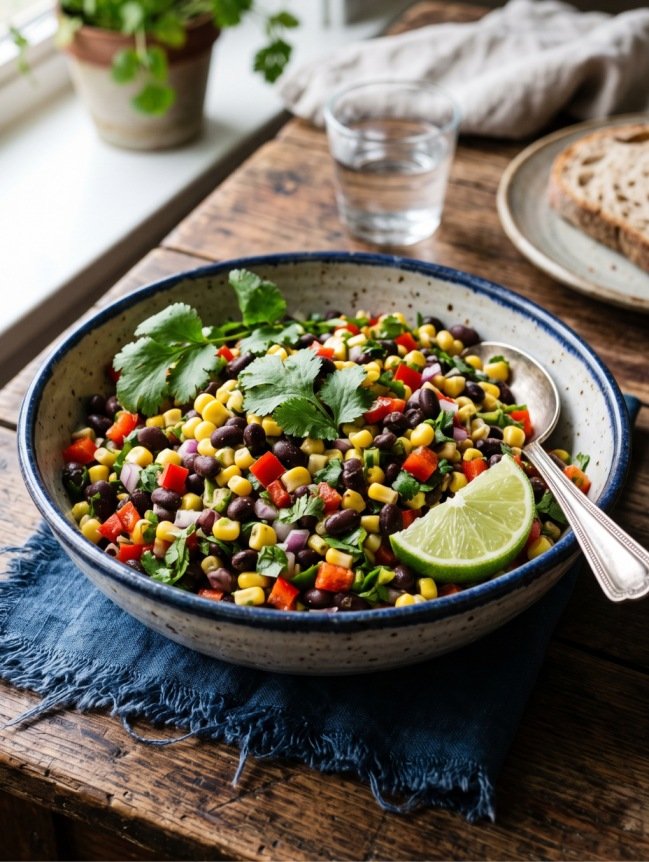
A colorful, no-cook salad that keeps well in the fridge for several days, making it an easy make-ahead lunch.
Prep: 10 min | Serves: 3 | ~$1.20/serving | Fiber-rich and low in sodium
Ingredients:
- 1 can (15 oz) no-salt-added black beans, drained and rinsed
- 1 cup corn kernels (fresh, thawed frozen, or no-salt canned)
- 1/2 red bell pepper, diced
- 2 tbsp chopped cilantro
- Juice of 1 lime
- 1 tbsp olive oil
- 1/2 tsp ground cumin
- Black pepper, to taste
Instructions:
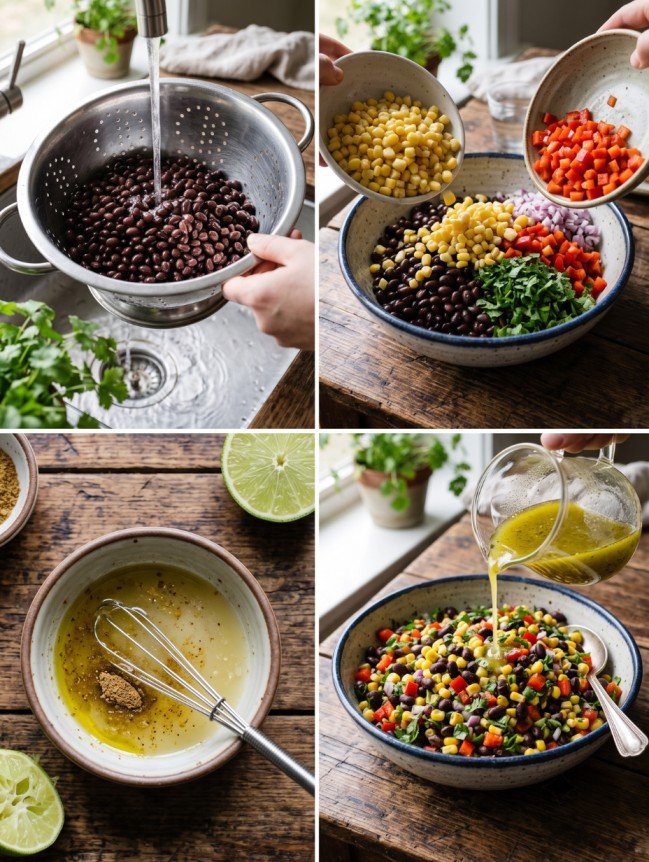
- Combine the beans, corn, bell pepper, and cilantro in a bowl.
- Whisk together lime juice, olive oil, cumin, and pepper.
- Toss the dressing through the salad and chill, or serve right away.
Tip: This salad tastes even better the next day, once the flavors have had time to sit together.
8. Hummus & Veggie Whole-Wheat Pita Pocket
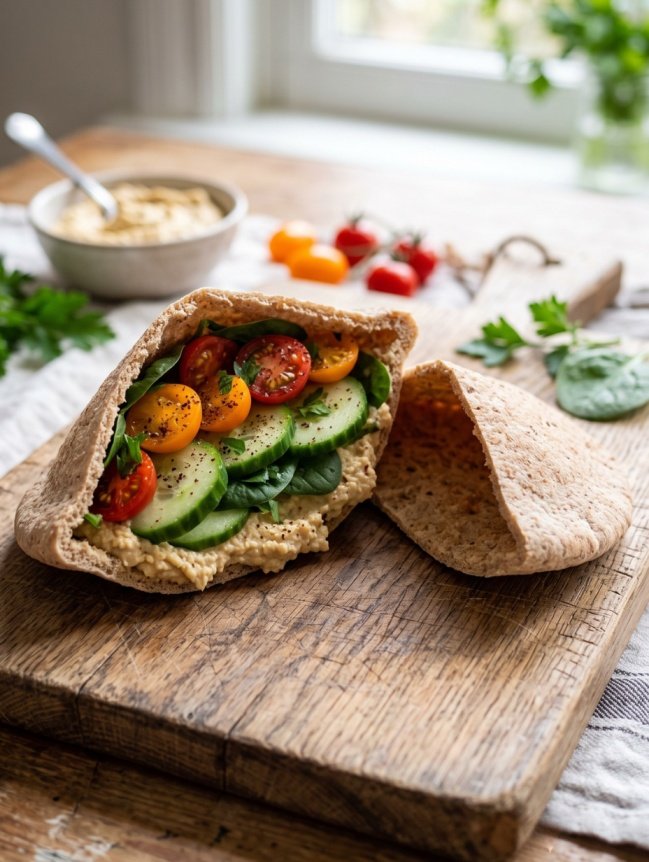
A no-cook pocket sandwich that’s endlessly adaptable to whatever vegetables are on hand.
Prep: 8 min | Serves: 1 | ~$1.40/serving | Fiber and plant protein
Ingredients:
- 1 whole-wheat pita, halved
- 3 tbsp hummus (low-sodium or homemade)
- 1/4 cucumber, sliced
- A few baby spinach leaves
- 2–3 cherry tomatoes, halved
- 2 tbsp shredded carrot
Instructions:
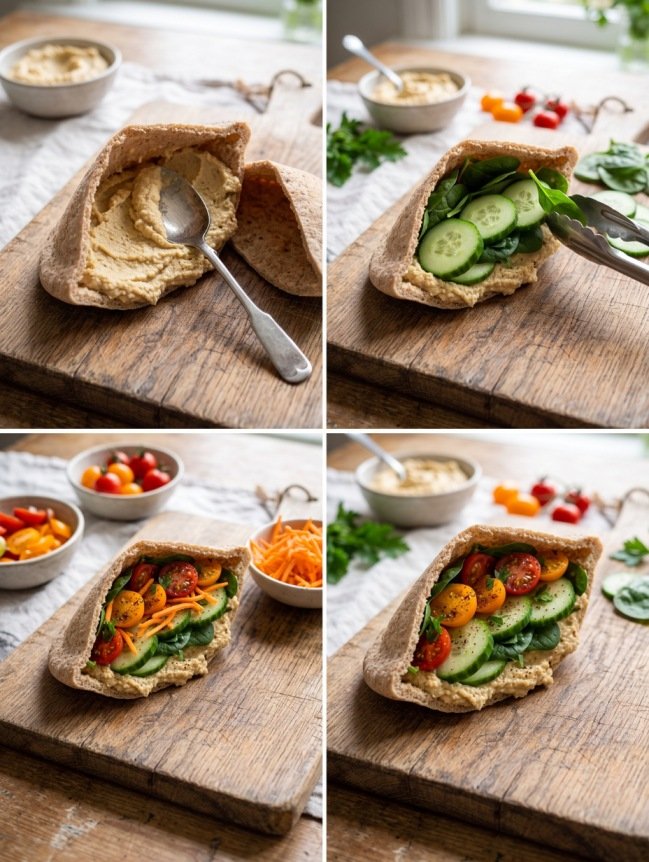
- Spread hummus inside each pita half.
- Stuff with cucumber, spinach, tomatoes, and shredded carrot.
- Serve immediately.
Tip: Store-bought hummus varies widely in sodium — a homemade version (chickpeas, tahini, lemon, garlic, olive oil) puts you fully in control.
9. Quinoa Tabbouleh Salad
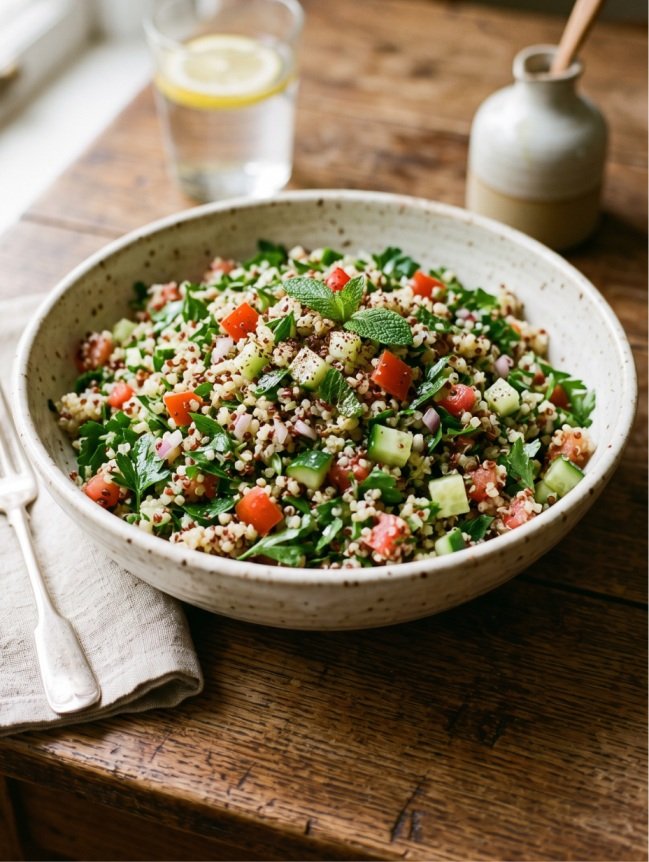
A lighter, protein-rich take on the classic parsley salad, using quinoa instead of bulgur for a complete plant protein.
Prep: 15 min (using pre-cooked quinoa) | Serves: 4 | ~$1.30/serving | Complete plant protein and fiber
Ingredients:
- 2 cups cooked quinoa, cooled
- 1 cup finely chopped fresh parsley
- 2 tomatoes, diced
- 1/2 cucumber, diced
- 3 tbsp lemon juice
- 3 tbsp olive oil
- Black pepper, to taste
Instructions:
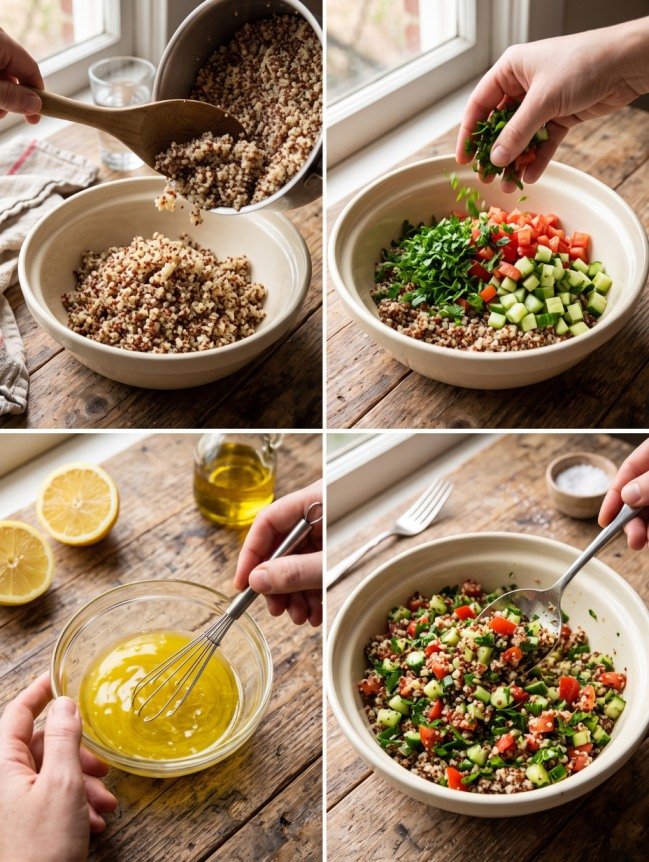
- Combine the quinoa, parsley, tomatoes, and cucumber in a bowl.
- Whisk together the lemon juice and olive oil, and season with pepper.
- Toss the dressing through and chill for 10 minutes before serving, if time allows.
Tip: Cook a big batch of quinoa on the weekend and keep it in the fridge — it turns this into a five-minute lunch the rest of the week.
10. Loaded Sweet Potato with Black Beans
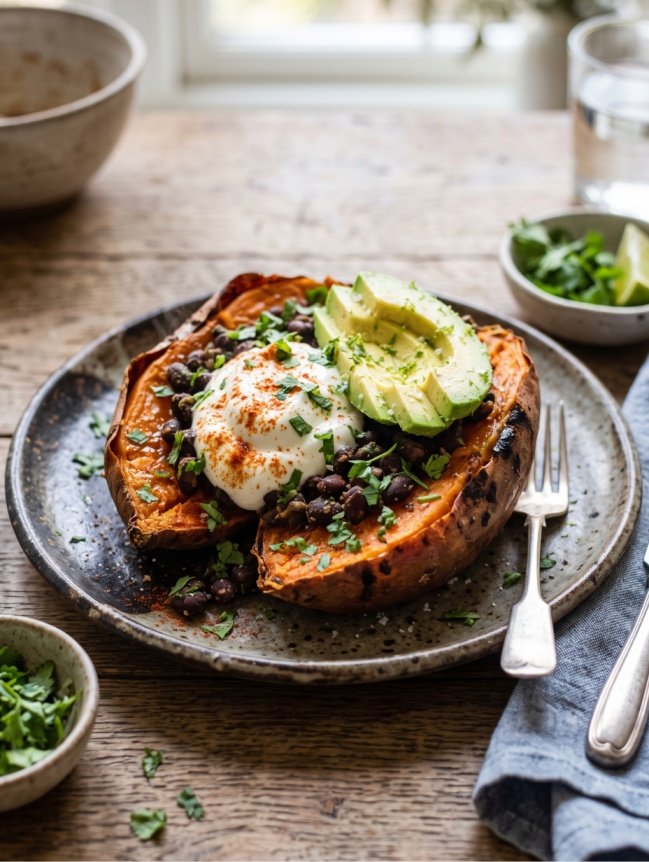
A microwave-quick lunch that pairs beta-carotene-rich sweet potato with fiber-packed black beans.
Prep: 5 min | Cook: 8 min (microwave) | Serves: 1 | ~$1.15/serving | Potassium, fiber, and beta-carotene
Ingredients:
- 1 medium sweet potato
- 1/2 cup no-salt-added black beans, warmed
- 2 tbsp plain Greek yogurt or plant-based sour cream
- A few slices of avocado
- Pinch of smoked paprika
Instructions:
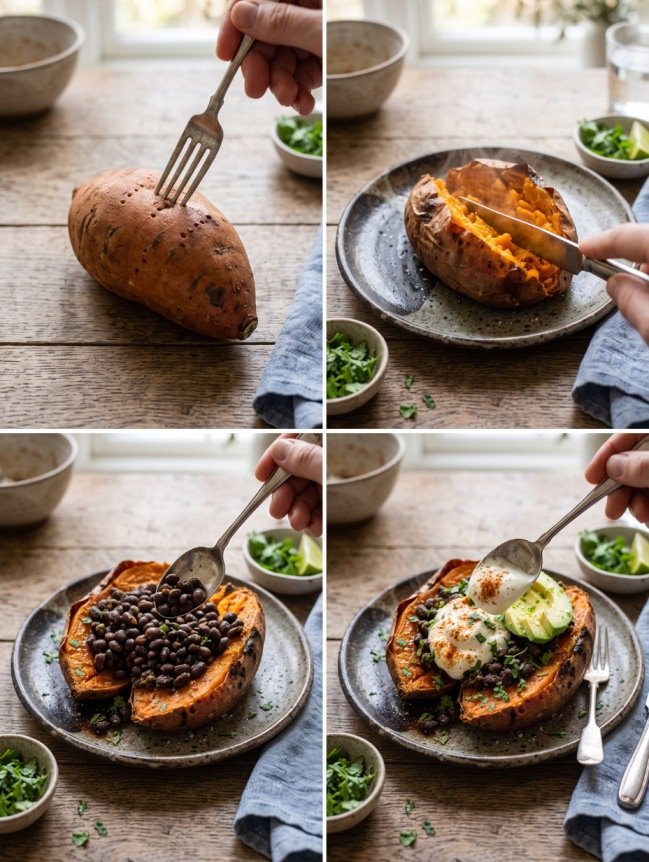
- Pierce the sweet potato a few times with a fork and microwave for 6–8 minutes, until soft.
- Split it open and top with the warmed black beans, yogurt, and avocado.
- Sprinkle with smoked paprika.
Tip: Microwave 3–4 sweet potatoes at once at the start of the week and reheat individually — the topping is what makes it lunch, not a fresh potato every day.
11. Apple, Walnut & Spinach Salad
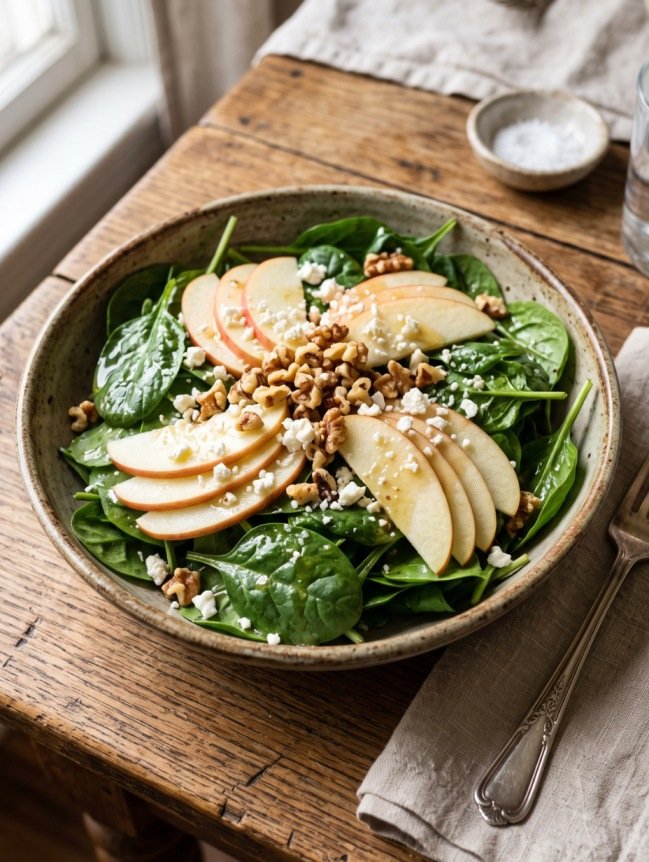
A sweet-and-savory salad that pairs crisp apple with heart-healthy walnuts and a light vinaigrette.
Prep: 10 min | Serves: 2 | ~$1.50/serving | Fiber plus unsaturated fats
Ingredients:
- 4 cups baby spinach
- 1 apple, thinly sliced
- 1/4 cup chopped walnuts
- 2 tbsp crumbled low-sodium feta or goat cheese (optional)
- 2 tbsp olive oil
- 1 tbsp apple cider vinegar
- 1 tsp maple syrup
Instructions:
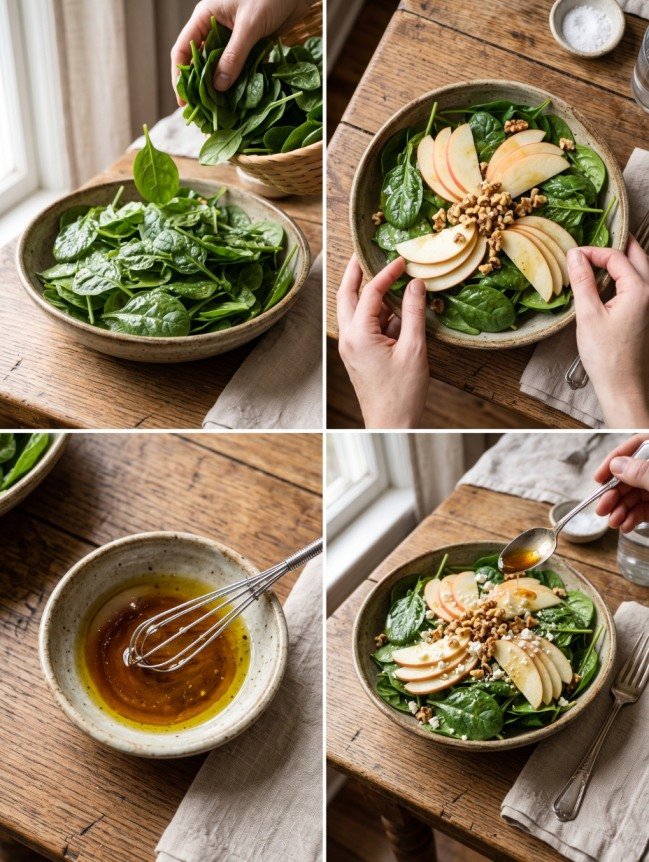
- Arrange the spinach, apple, and walnuts in a bowl.
- Whisk together the olive oil, vinegar, and maple syrup.
- Drizzle over the salad and toss gently; top with cheese if using.
Tip: Toast the walnuts in a dry pan for 2–3 minutes first for noticeably more flavor.
12. Edamame & Brown Rice Bowl with Sesame-Ginger Dressing
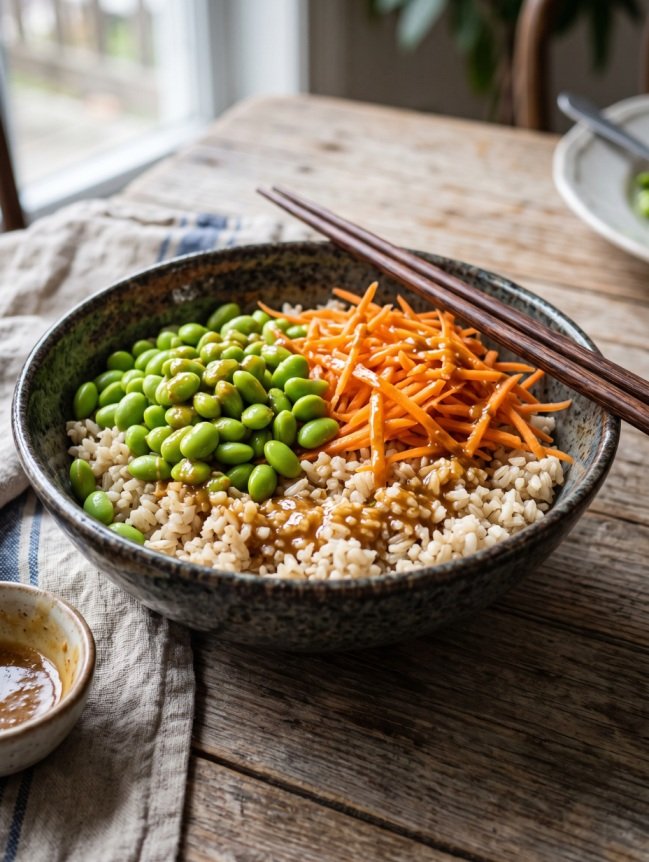
A quick grain bowl that uses pre-cooked rice and frozen edamame to come together in about 10 minutes.
Prep: 10 min (using pre-cooked rice and frozen edamame) | Serves: 2 | ~$1.45/serving | Plant protein and fiber
Ingredients:
- 2 cups cooked brown rice
- 1 cup shelled edamame, thawed
- 1 carrot, shredded
- 2 tbsp rice vinegar
- 1 tbsp low-sodium soy sauce
- 1 tsp sesame oil
- 1/2 tsp grated fresh ginger
Instructions:
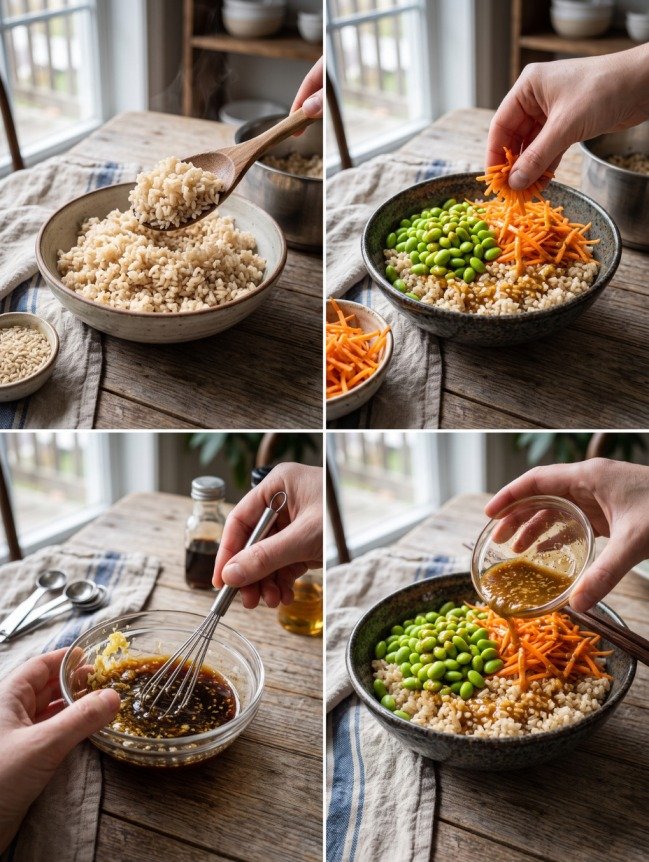
- Divide the rice between two bowls and top with edamame and shredded carrot.
- Whisk together the rice vinegar, soy sauce, sesame oil, and ginger.
- Drizzle the dressing over the bowls and toss to combine.
Tip: Cook a big batch of brown rice at the start of the week — it keeps well in the fridge for 4–5 days.
13. Tomato Basil White Bean Soup
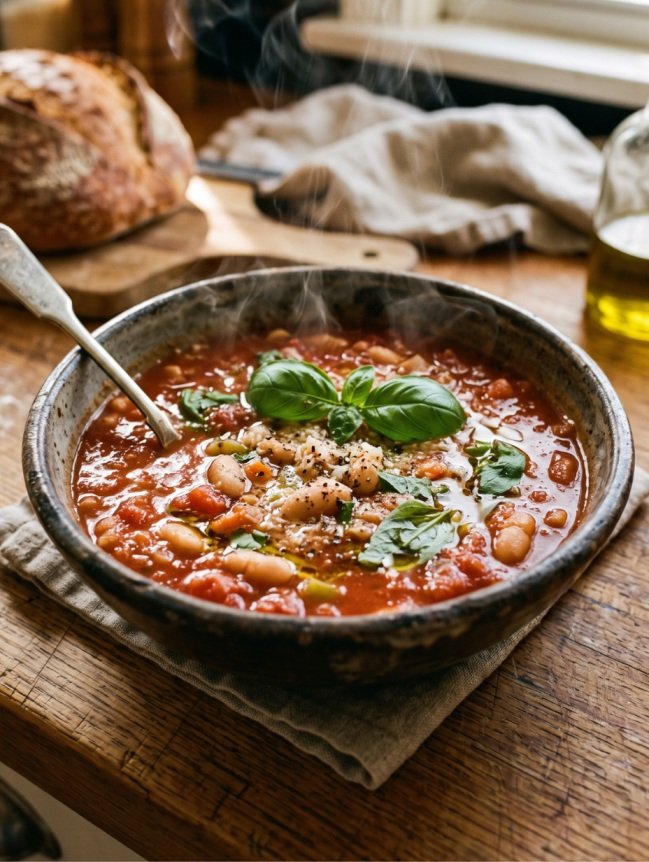
A simple stovetop soup that turns canned tomatoes and beans into something that tastes far more effort than it is.
Prep: 5 min | Cook: 15 min | Serves: 4 | ~$1.05/serving | Fiber plus lycopene
Ingredients:
- 1 tbsp olive oil
- 1 onion, diced
- 2 garlic cloves, minced
- 1 can (28 oz) no-salt-added crushed tomatoes
- 2 cups low-sodium vegetable broth
- 1.5 cups no-salt-added white beans
- 1/4 cup fresh basil, chopped
- Black pepper, to taste
Instructions:
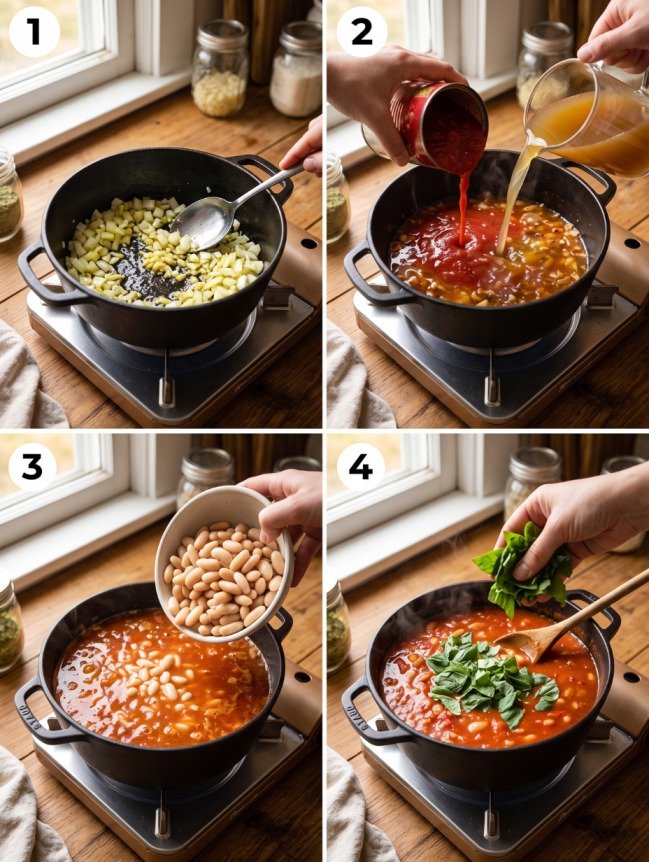
- Sauté the onion and garlic in olive oil for about 5 minutes.
- Add the tomatoes, broth, and beans; simmer for 10 minutes.
- Stir in the fresh basil just before serving.
Tip: Blend half the soup with an immersion blender for a creamier texture without adding any cream.
14. Veggie & Hummus Whole-Wheat Wrap
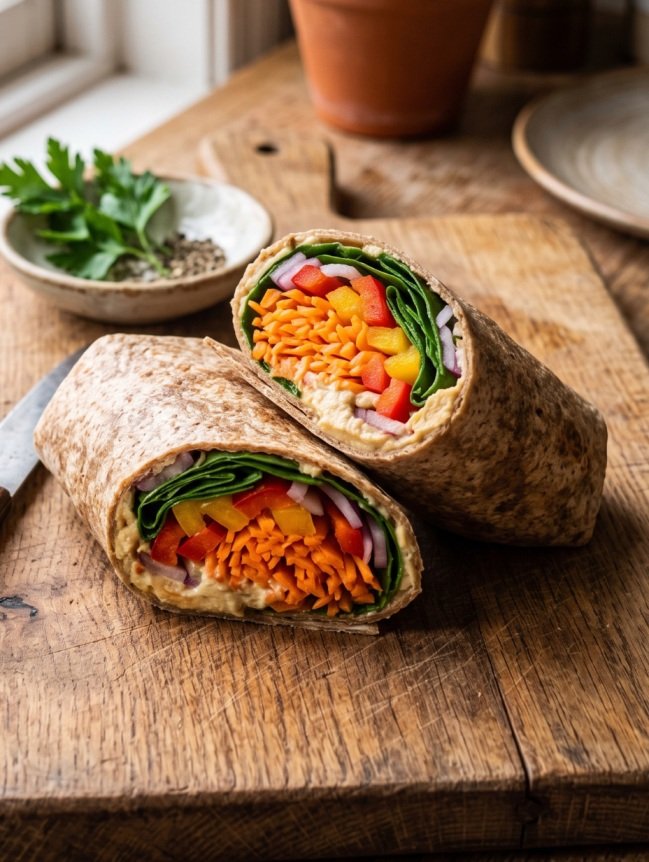
A fully customizable, no-cook wrap that’s ready in under ten minutes with whatever vegetables you have.
Prep: 8 min | Serves: 1 | ~$1.35/serving | Fiber and plant protein
Ingredients:
- 1 whole-wheat tortilla
- 3 tbsp hummus
- 1/4 cup shredded carrot
- 1/4 cup thinly sliced bell pepper
- A handful of baby spinach
- 2 tbsp sliced cucumber
Instructions:
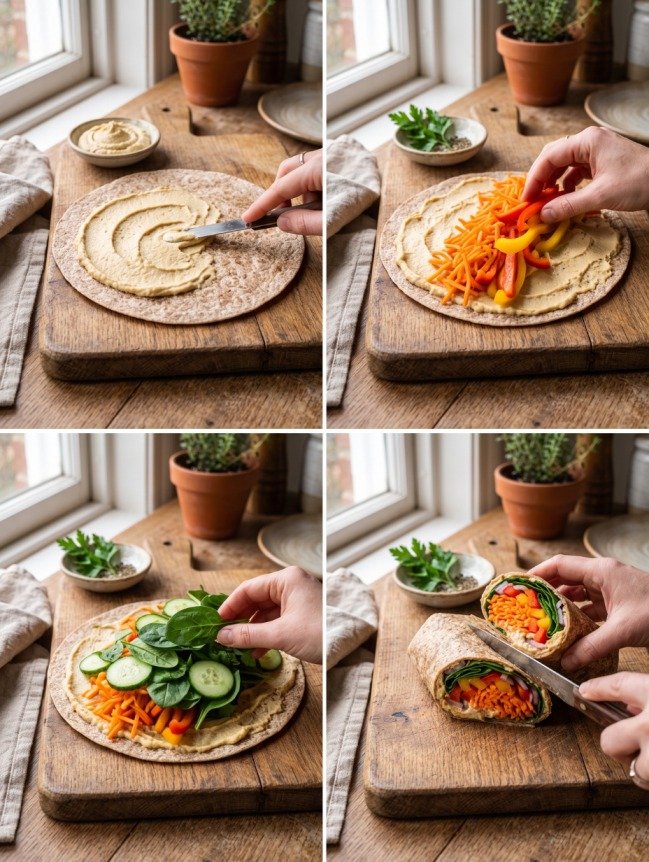
- Spread the hummus over the tortilla.
- Layer the vegetables down the center.
- Roll tightly and slice in half.
Tip: Wrap tightly in parchment paper if you’re taking this to go — it holds together much better than plastic wrap alone.
15. Overnight Oats with Berries & Flaxseed
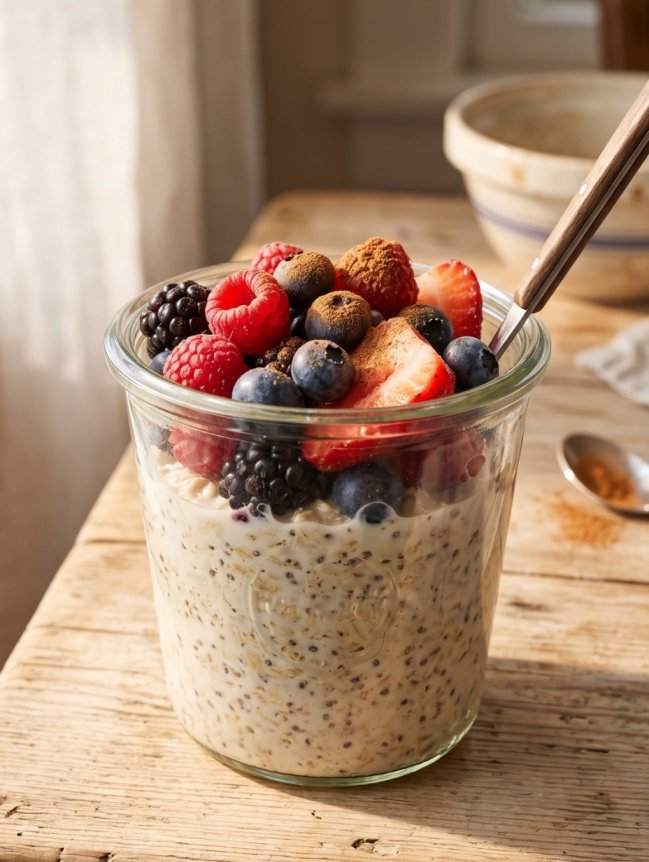
A make-ahead option that’s ready before you even think about lunch — just five minutes of prep the night before.
Prep: 5 min (the night before) | Serves: 1 | ~$0.95/serving | Soluble fiber plus plant-based omega-3s
Ingredients:
- 1/2 cup rolled oats
- 1/2 cup unsweetened milk of choice (dairy or plant-based)
- 1 tbsp ground flaxseed
- 1/2 cup mixed berries
- 1 tsp maple syrup
- Pinch of cinnamon
Instructions:
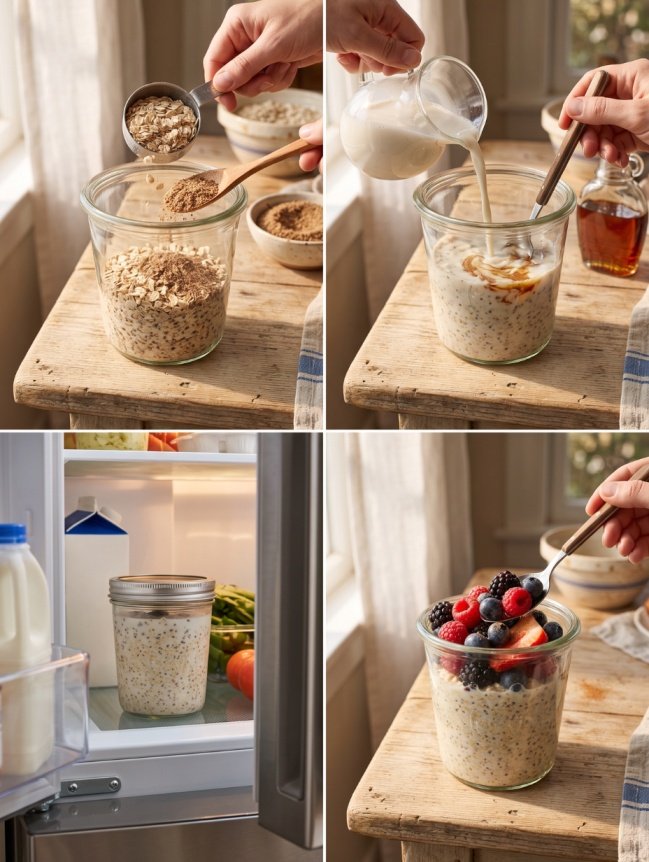
- Combine the oats, milk, flaxseed, maple syrup, and cinnamon in a jar.
- Stir well, cover, and refrigerate overnight.
- Top with berries just before serving.
Tip: Make three or four jars at once on a Sunday, and lunch is ready to grab all week.
Meal Prep and Storage Tips
Most of these lunches are built to make more than one serving, so a single round of prep can cover several days:
- Pick one prep day. Cook a batch of quinoa, brown rice, or lentils once, and it becomes the base for three or four different lunches through the week.
- Keep dressings separate. Store dressing in a small container and add it just before eating so salads don’t go soggy in the fridge.
- Portion into single servings. Divide soups and grain bowls into individual containers right after cooking, so lunch is grab-and-go rather than a decision each day.
- Most of these keep 3–4 days in the fridge. The soups also freeze well in individual portions for up to 2–3 months.
🛒 Rubbermaid Brilliance Meal Prep Containers
Product: Rubbermaid Brilliance Meal Prep Containers, 2-Compartment, 2.85 Cup (5-Pack)
Best for: Portioning soups, salads, grain bowls, and other meals into convenient grab-and-go servings.
These 2-compartment meal prep containers make it easier to organize individual portions while keeping different foods separated. They are freezer-safe, microwave-safe, and BPA-free, making them useful for preparing lunches ahead of time, storing leftovers, and reheating meals when needed.
FAQs About Heart-Healthy Lunches for Seniors on a Budget
How can seniors eat heart-healthy on a fixed budget?
Lean on inexpensive staples that are naturally heart-healthy: dried or canned beans, oats, frozen vegetables, brown rice, and a bottle of olive oil go a long way and cost far less per serving than pre-packaged meals or meat.
What foods should seniors limit for heart health?
Processed and packaged foods high in sodium (canned soups, deli meats, salty snacks), foods high in saturated fat, and foods with a lot of added sugar are the main ones to watch. Reading the sodium line on nutrition labels is one of the simplest habits to build.
Is it okay to eat the same lunch several days in a row?
Yes — many of these recipes are specifically designed to be made once and eaten over several days, which is both a time-saver and a budget-saver. Rotating between two or three favorites through the week keeps it from feeling repetitive.
Are canned beans as heart-healthy as dried beans?
Yes, nutritionally they’re very similar. The main difference is sodium — choose “no salt added” canned beans and rinse them well under running water, which removes a meaningful amount of surface sodium.
Where does protein come from in a vegetarian lunch like these?
Beans, lentils, chickpeas, quinoa, edamame, nuts, and dairy (yogurt, cheese) all provide protein. Combining a grain with a legume, as several recipes here do, provides a well-rounded amino acid profile.
Final Thoughts
None of these 15 lunches asks for more than about 15 minutes of hands-on time, and every one of them is built from ingredients that are both heart-friendly and easy on a fixed budget — beans, whole grains, vegetables, and a bit of olive oil doing most of the work instead of salt or meat. Pick two or three to rotate through the week, keep the pantry staples on hand, and lunch stops being the meal you have to think hardest about.
Looking for more senior-friendly kitchen help? Check out our other guides on senior-friendly kitchen tools and low-sodium cooking for more ways to make heart-healthy eating easier every day.